Mai 25, 10:38 AM
Rechtsnationalist Janez Janša kehrt als Sloweniens Premierminister zurück
Vierte Amtszeit für den konservativen Führer, da das Parlament mit 51 zu 36 Stimmen der neuen Minderheitsregierung, die von einer pro-russischen Populistengruppe unterstützt wird, zustimmt.

Das slowenische Parlament hat den konservativen Politiker Janez Janša zum neuen Premierminister des Landes gewählt. Die Abstimmung ergab laut der Nachrichtenagentur STA 51 Ja-Stimmen und 36 Nein-Stimmen. Das Ergebnis markiert das Ende der Mitte-Links-Regierung unter der Führung von Robert Golob.
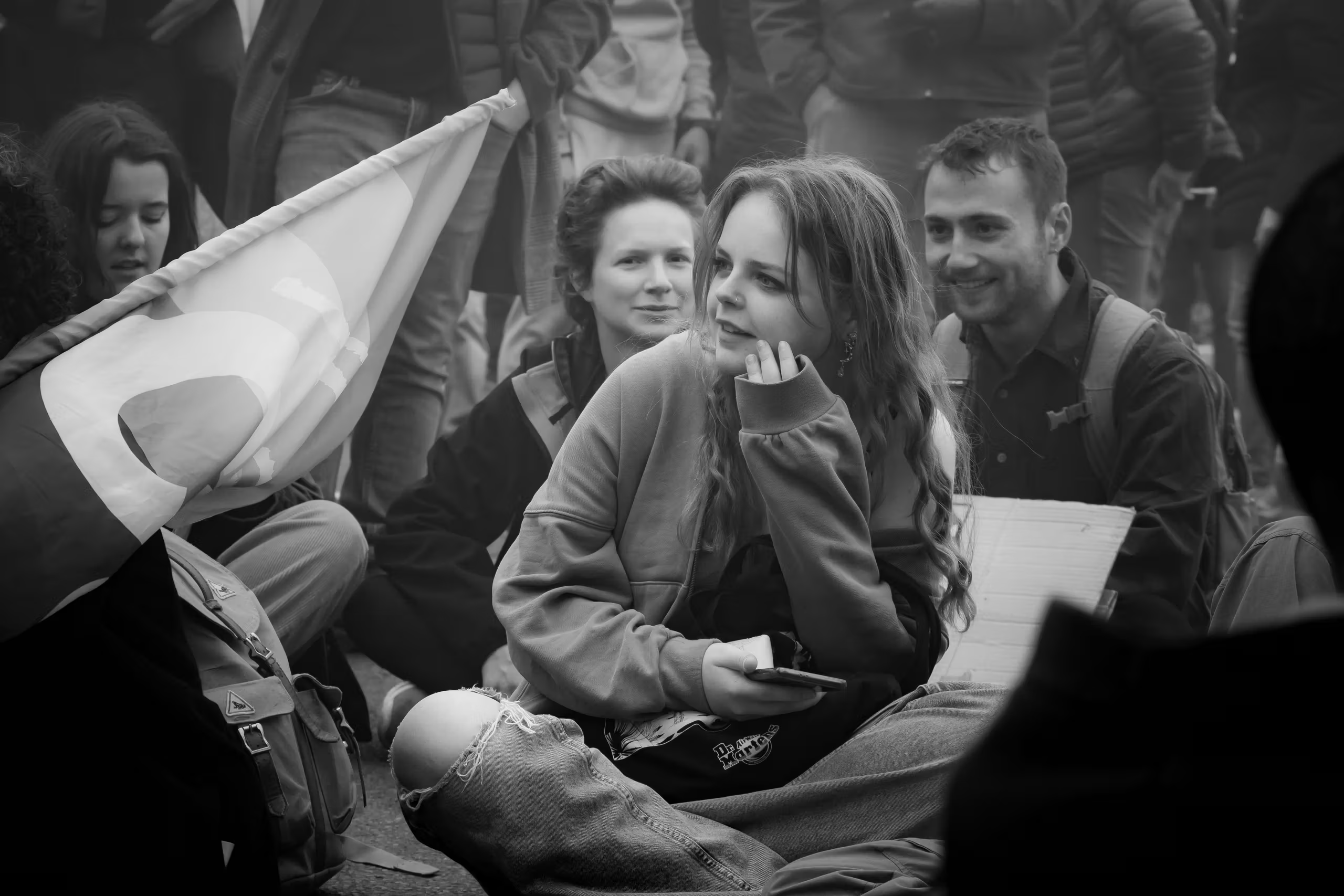
Janša plant, eine Minderheitsregierung mit seiner Slowenischen Demokratischen Partei (SDS) und anderen Rechtsparteien zu bilden. Diese Regierung würde externe Unterstützung von der populistischen, pro-russischen Gruppe Resnica erhalten, deren Name "Wahrheit" bedeutet. Während der Parlamentssitzung am Freitag kam es in der Hauptstadt Ljubljana zu Protesten.
In einer Rede vor der Abstimmung erklärte Janša, er werde Dezentralisierung vorantreiben, Bürokratie abbauen und Korruption bekämpfen. Das Regierungsprogramm der Koalition umfasst Steuererleichterungen, einen Stopp der Finanzierung von Nichtregierungsorganisationen und Maßnahmen gegen Migration. Zwei weitere Vorschläge haben besondere Aufmerksamkeit erregt: Drogentests für Beamte und ein Verbot von Mobiltelefonen in Schulen.
Auch ein Wahlkampfskandal machte Schlagzeilen. Janša wird verdächtigt, mit der israelischen privaten Geheimdienstfirma Black Cube zusammengearbeitet zu haben, um die Stimmung gegen die vorherige Regierung anzuheizen. Den Vorwürfen zufolge wurden bearbeitete Videoclips verwendet, um einen Eindruck von Korruption zu erwecken. Der scheidende Premierminister, Robert Golob, hat Janša des Landesverrats beschuldigt.
Golobs Mitte-Links-Regierung führte das Land in den letzten vier Jahren. Golobs Freiheitsbewegung (GS) gewann die Parlamentswahl im März knapp vor Janšas SDS, aber die Partei konnte zusammen mit ihren früheren Mitte-Links-Koalitionspartnern keine Mehrheit sichern.
Dies wird Janšas vierte Amtszeit als Premierminister sein. Er führte das Land bereits von 2004 bis 2008, von 2012 bis 2013 und von 2020 bis 2022. Seine vorherigen Amtszeiten waren von Korruptionsskandalen und Angriffen auf unabhängige Medien und abweichende Meinungen überschattet und endeten jeweils mit seiner Amtsenthebung. In der Vergangenheit hat Janša durch Drohungen gegen Medien, zivilgesellschaftliche Organisationen und Gewerkschaften auf sich aufmerksam gemacht.
Verfasst von Andreas Hofer