Feb 12, 1:54 PM
Iran’s Revolution Anniversary Rings Hollow as Tehran Balances Celebration and Quiet Revolt
Official rallies marking 47 years of the Islamic Republic are increasingly overshadowed by economic pain, lingering protest trauma and whispered defiance in the capital.
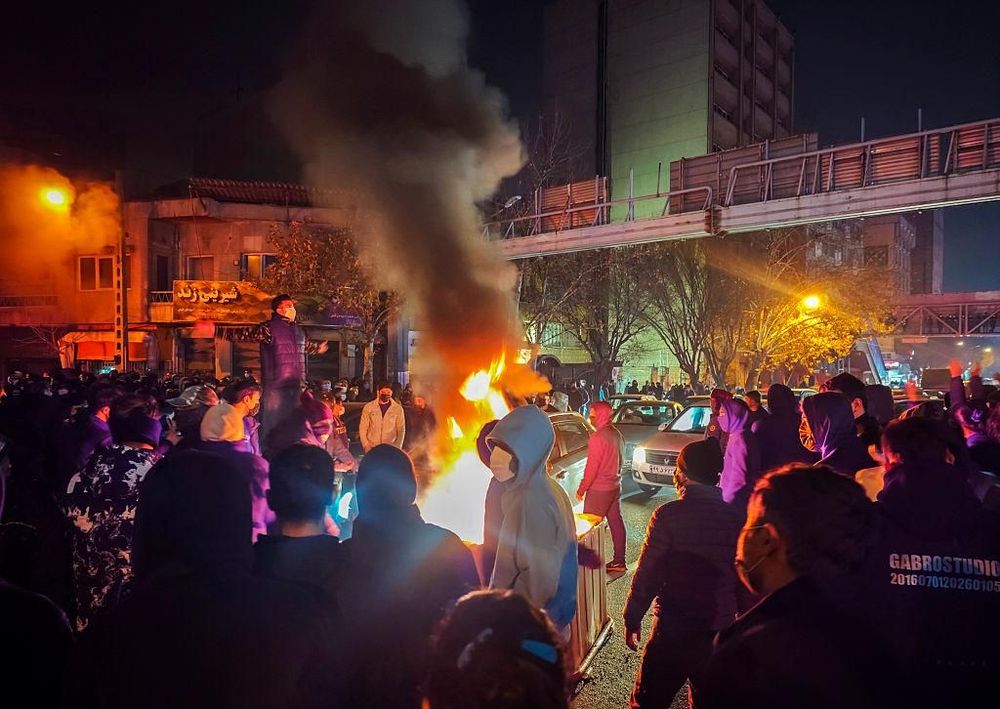
When the clocks struck nine across Tehran on Tuesday night, the familiar sounds of revolution echoed once again through the city. From rooftops and apartment windows came the chants of “God is greatest,” accompanied by fireworks that lit the winter sky in bursts of colour. It was the ritual opening of the Islamic Republic’s anniversary celebrations, marking 47 years since the 1979 revolution that overthrew the shah and reshaped Iran and the wider region.
Yet this year, the noise carried an unsettling undertone. Mixed into the chorus were shouts of “death to the dictator,” hurled from the darkness of private spaces, quieter but unmistakable. It was a reminder that beneath the state-orchestrated pageantry lies a city still raw from last month’s nationwide protests, the most violent and deadly Iran has seen in years.
The authorities are only now easing a near-total internet blackout, one of the longest digital shutdowns on record, and cautiously allowing a handful of international journalists back into the country. The atmosphere in Tehran feels markedly different from last summer, when the end of a brief but intense war with Israel — and US strikes on Iranian nuclear sites — briefly rallied public sentiment around the flag. That moment of unity has faded.
The capital is draped in banners for the so-called “ten days of dawn,” commemorating the final stretch of the revolution. In official speeches, this period is still celebrated as the birth of a new Iran and the foundation of an “axis of resistance” that defies Western influence. But on the streets, the celebrations are overshadowed by frustration: soaring food prices, collapsing purchasing power and renewed calls for an end to clerical rule.
These domestic pressures are compounded by renewed threats from Washington, with US President Donald Trump warning of further military action if diplomacy fails. Together, they present what many see as the most serious challenge yet to Iran’s ageing theocracy.
On Wednesday, the final day of the anniversary events, the state responded with a show of strength. Tehran’s streets filled with loyalists — families waving flags, children perched on shoulders, portraits of the supreme leader held high. Chants of “death to America” and “death to Israel” rang out under a mild winter sun, lending the rally a festive air.
Some participants acknowledged the recent unrest but framed it carefully. A young woman in a black chador said economic grievances were legitimate, but insisted that violence and chaos were the work of foreign hands. That narrative was echoed from the stage in Azadi Square, where President Masoud Pezeshkian blamed “malicious propaganda” by Iran’s enemies for inflaming what he called riots. Still, in a rare concession, he apologised for government shortcomings and promised to listen to public demands — a reference to the currency collapse and cost-of-living crisis that ignited the unrest.
Real power, however, lies elsewhere. The supreme leader and the judiciary have drawn a hard line, vowing zero tolerance for those labelled as terrorists or troublemakers.
Away from the rallies, the mood is darker. In Enghelab Square, beneath towering murals of revolutionary crowds, many residents were reluctant to speak, citing fear. Others, when asked simply what worried them most, needed little prompting.
A 32-year-old woman broke down in tears, questioning why unarmed protesters were met with lethal force. Younger Iranians spoke of sleepless nights spent watching footage of violence once the internet was restored. Older residents lamented the price of basic staples — cooking oil, meat, chicken — and the lack of jobs for the next generation.
The demands, repeated again and again, were modest: to be heard, to meet basic needs, to live with greater freedom. But even alleviating economic pain is tangled in decades of sanctions, mistrust over Iran’s nuclear programme, and deep-rooted corruption and mismanagement.
As the fireworks fade and the banners come down, Iran stands at a crossroads. Nearly half a century after its revolution, the Islamic Republic is confronting a question that grows louder with each anniversary: how long can ritualised displays of unity mask a society increasingly defined by quiet defiance?