Feb 3, 2:37 PM
Public Transport Grinds to a Halt Across Germany as Nationwide Strike Disrupts Travel
Millions of commuters face cancellations as unions press for shorter shifts and better working conditions amid tight municipal budgets.
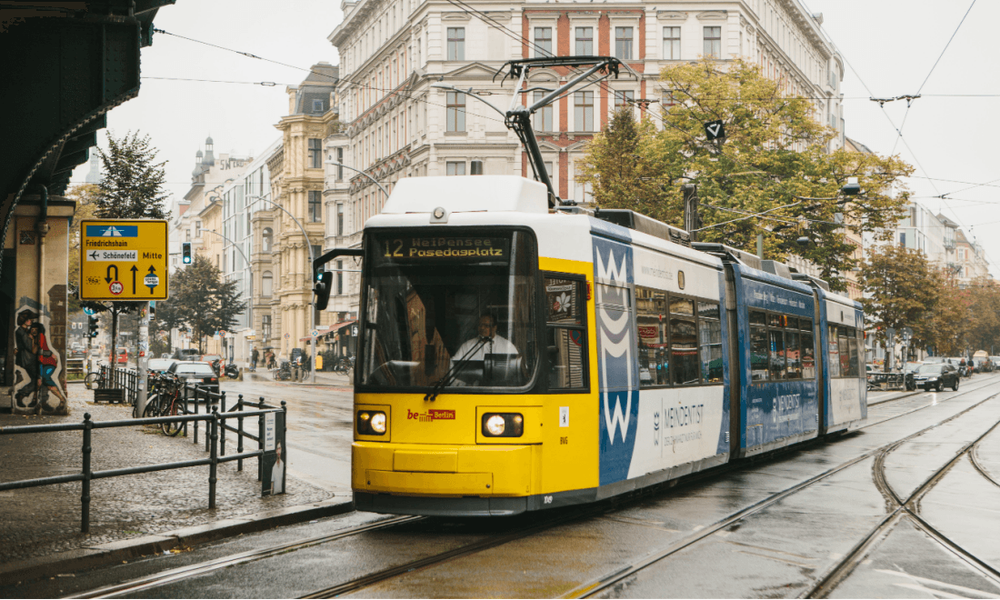
Large parts of Germany came to a standstill on Monday after a nationwide warning strike brought buses, trams and underground trains to a halt in cities and towns across the country. The walkout, called by the Verdi trade union, forced millions of commuters to find alternative ways to get to work, school and appointments, often under difficult winter conditions.
In around 150 municipalities, local public transport services were suspended from early Monday morning until Tuesday. The strike is among the largest coordinated actions in the sector in recent years and affects almost all federal states. Major urban centres, including Berlin, Hamburg and Bremen, were hit particularly hard.
Switching to cars offered limited relief. Persistent frost and icy roads, especially in the northwest and parts of western and southern Germany, complicated driving conditions. The German automobile association ADAC reported slightly longer and more frequent traffic jams during the morning rush hour, particularly in metropolitan areas. Taxis also saw increased demand.
The disruption extended beyond office workers. Parents and students were also affected, although the impact varied by region. Some local operators managed to run emergency or reduced services, easing pressure in a handful of areas. Elsewhere, services stopped entirely.
Verdi says the strike reflects mounting pressure on public transport workers. The union is demanding shorter weekly working hours, reduced shift lengths, longer rest periods and higher bonuses for night and weekend work. In some states, it is also seeking higher wages.
Union representatives argue that irregular schedules, constant time pressure and staff shortages have made the jobs increasingly unattractive, leading to high turnover. According to Verdi, improving conditions is essential to retain experienced workers and attract new ones to the sector.
Not all regions joined the strike. In Lower Saxony, public transport continued to operate normally due to an existing collective agreement that prevents industrial action for now. Long-distance and suburban rail services operated by Deutsche Bahn were also unaffected, as their employees are represented by different unions.
In Berlin, the stoppage was felt acutely. Many residents walked to work on still-slippery pavements, following days of sub-zero temperatures and shortages of de-icing materials. The city’s public transport operator criticised the strike as excessive, urging the union to return to negotiations and seek practical compromises.
Union negotiators counter that employers are pushing workers to finance improvements themselves, for example by giving up full pay during sick leave or accepting more flexible schedules. Left-wing politicians voiced support for the strike, arguing that deteriorating working conditions, not industrial action, are the real problem.
Behind the dispute lies a broader financial strain. Collective bargaining talks with mostly municipal employers broke down last week. Local governments are under pressure after recording record deficits in 2024, driven largely by rising social spending. These budget constraints complicate efforts to meet union demands.
Further negotiations are scheduled for 9 February. Verdi has already warned that additional strikes are likely if employers fail to make meaningful concessions. With nearly 100,000 public transport workers represented by the union, the dispute suggests that disruptions may not be over anytime soon.