Belgium’s Constitutional Court Suspends Key Asylum Measures in Setback for Government’s Tough Migration Agenda
Judges pause family reunification restrictions and limits on reception rights pending clarification from EU court
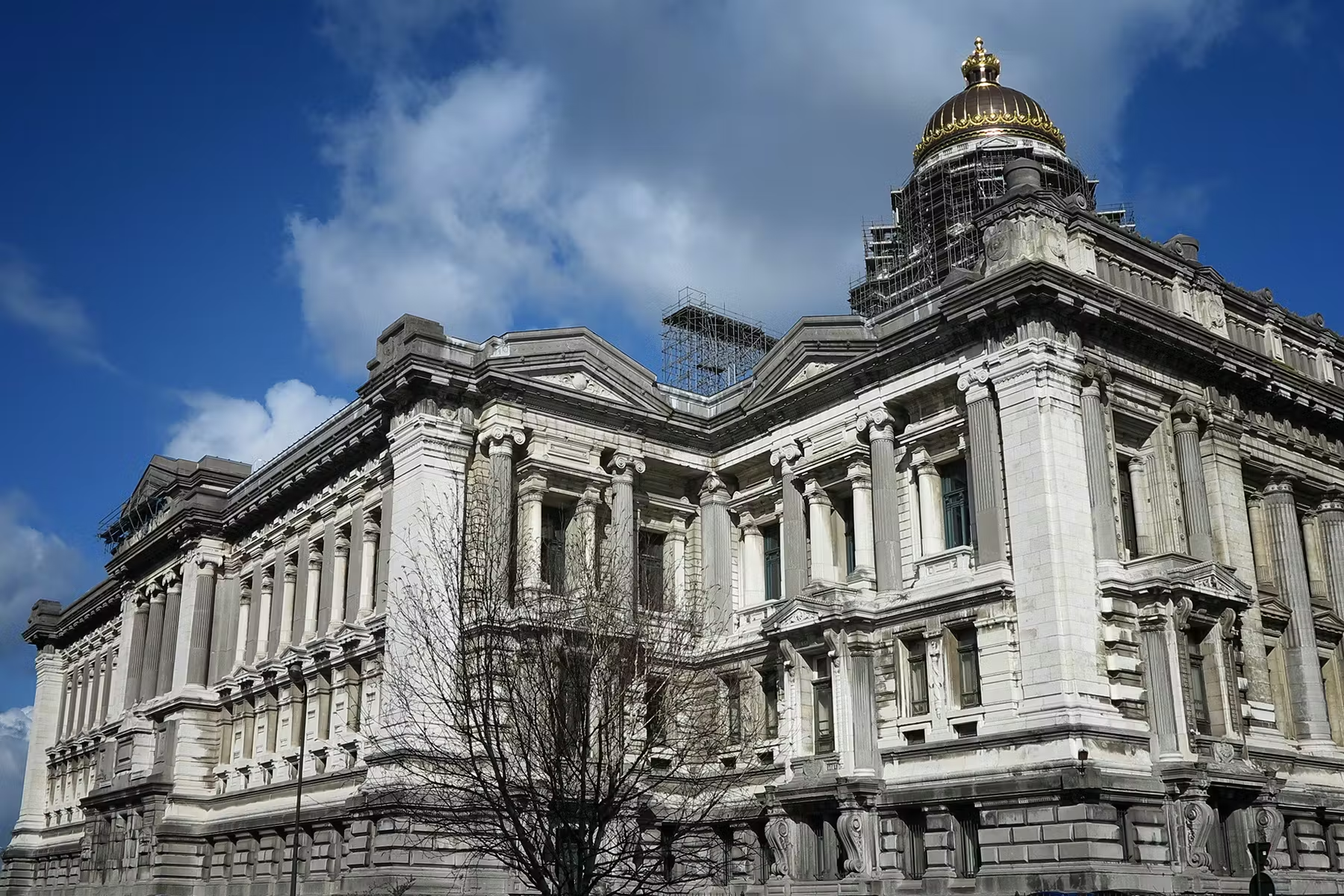
Belgium’s Constitutional Court has thrown a wrench into several new asylum measures, marking a blow to Prime Minister Bart De Wever and his team’s much-touted promise to roll out what they called the “strictest migration policy yet.”
On Thursday, judges handed down two separate decisions that put parts of legislation from the right-leaning “Arizona” coalition (the nickname comes from its parties’ colors) on ice.
Here’s the thing: The court flagged that some elements might clash with European Union law and core rights, so it punted critical legal questions up to the Court of Justice of the European Union (CJEU) before making any final calls.
Let’s start with their first ruling, it zeroes in on tighter family reunification rules passed last August. One particularly controversial part. A two-year wait for people granted subsidiary protection,basically folks who’d be in serious danger if sent back home, but don’t tick all boxes for full refugee status.
Two families took this rule to court, arguing it made reuniting with loved ones next to impossible for many applicants, especially children. Their concerns resonated far beyond those cases; advocacy groups supporting migrants have been sounding similar alarms. In its decision, the court said it needs answers from Luxembourg (that is, the CJEU) on five points under EU law before deciding whether these restrictions actually fit within European rules. Until there’s clarity from above, that two-year waiting period is suspended, frozen in place for now. One applicant named as M.S., who fled Yemen during wartime before his child was born, shared how this law kept his wife and one-year-old son separated from him in Belgium.
After Thursday’s ruling. He voiced hope that bringing his family over might finally be possible. Migration Minister Anneleen Van Bossuyt chimed in soon after: She emphasized that this suspension only affects cases tied to subsidiary protection,a relatively small slice of all family reunion requests, and stressed other hurdles like higher income requirements or different waiting periods are still standing.. The second decision takes aim at reception conditions for asylum seekers themselves. One disputed measure would block accommodation through Belgium's asylum agency Fedasil if an individual already secured international protection elsewhere in the EU,even while their claim gets processed here.
According to the judges, refusing shelter under these terms could trigger serious harm, potentially irreversible stuff,for families with kids most of all. Again, they’ve kicked key legal issues upstairs to see if denying support like this even passes muster under EU law. There was also another provision scrapped temporarily: getting rid of financial help as an alternative form of reception support when no space is available within Fedasil’s network (which has seen major shortages). Judges pointed out how ditching this safety net could hit vulnerable applicants hardest, the very people stuck without anywhere else to go because Belgium's reception system has been stretched thin for ages now. This isn’t just theoretical; Brussels has seen repeated scenes where asylum seekers end up sleeping rough due to capacity crises and courts have slapped down Belgian authorities more than once over these failures.
For her part, Van Bossuyt argued that suspending these rules doesn’t mean they’re gone forever,it’s temporary pending further review, and insisted most issues will get ironed out through broader reforms coming via Europe-wide agreements anyway. The government says tweaks can always be made later on once Luxembourg weighs in officially or when the EU Migration and Asylum Pact kicks off mid-2026. Still, critics aren’t buying reassurances wholesale,they say these rulings highlight hard limits around how tough national governments can get inside Europe’s legal framework when tightening asylum policies. Marie Doutrepont, a lawyer representing affected asylum seekers,called both decisions a clear warning shot: fundamental rights like keeping families together and living decently aren’t optional extras; they're non-negotiable under EU principles. Van Bossuyt remains convinced Belgian laws line up perfectly well with current European case law though, and expects Luxembourg will ultimately give them a green light once everything shakes out legally.
All this unfolds as countries across Europe gear up for sweeping changes under May 2024's Migration and Asylum Pact,which aims not just at streamlining procedures, but also beefing up border controls while introducing mandatory solidarity between member states too. Whether Belgium's contested measures eventually mesh with those new rules. That’ll hinge largely on what comes next from Europe’s top judges in Luxembourg, so stay tuned; we’re only seeing part of this picture so far.