
Jan 12, 11:11 AM
The End of Passport Stamps: Europe Moves to Fully Digital Borders
Biometric gates and automated checks are replacing ink and paper as Europe reshapes how travelers cross its borders
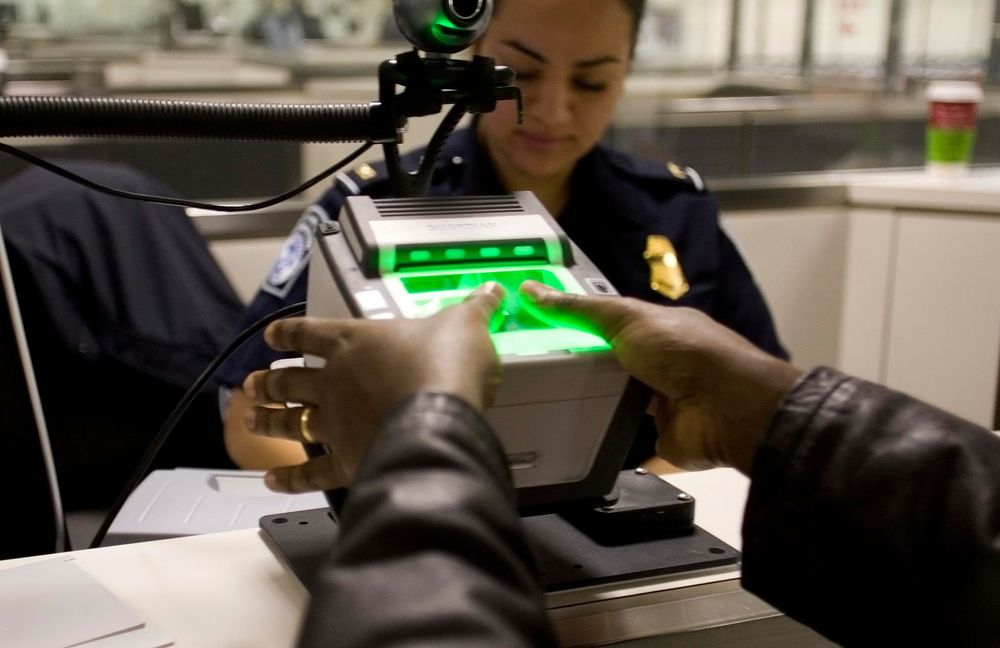
For generations of travelers, the passport stamp was a small but meaningful ritual — a physical mark of movement, memory, and arrival. That era is quietly coming to an end. Across Europe, border control is entering a new phase defined not by ink and counters, but by scanners, cameras, and databases.
Following the example set by Singapore, which stopped stamping foreign visitors in 2022, Europe is now phasing out passport stamps across most of the continent. By April 2026, 29 European countries will operate under a new digital border regime known as the Entry/Exit System (EES), fundamentally changing how non-residents enter and leave the region.
From stamps to scans
The new system replaces manual passport stamping with automated registration. Instead of an officer marking a page, travelers will pass through electronic gates that record their entry and exit digitally. Biometric data — including facial images and fingerprints — will be used to verify identity and track border crossings.
The goal is speed and accuracy. Automated checks reduce queues, minimize human error, and make it easier for authorities to monitor overstays. Border officials will no longer rely on visual inspection of stamps to determine how long someone has remained in the Schengen area. The system will calculate it instantly.
For frequent travelers, this promises smoother journeys. For border agencies, it offers clearer oversight. For passports themselves, it means far fewer marks of travel.
A continent-wide shift
The transition is broad in scope. Countries adopting the system include:
- Austria
- Belgium
- Bulgaria
- Croatia
- Czechia
- Denmark
- Estonia
- Finland
- France
- Germany
- Greece
- Hungary
- Iceland
- Italy
- Latvia
- Liechtenstein
- Lithuania
- Luxembourg
- Malta
- Netherlands
- Norway
- Poland
- Portugal
- Romania
- Slovakia
- Slovenia
- Spain
- Sweden
- Switzerland
Together, they cover nearly the entire Schengen area. Once fully implemented, travelers entering any of these states will encounter largely identical digital border procedures.
Why now?
The move reflects broader trends in global travel. Passenger numbers have rebounded strongly after the pandemic, placing renewed pressure on airports and border crossings. At the same time, governments are seeking tighter control over migration and overstays without slowing legitimate travel.
Biometric systems promise to deliver both efficiency and enforcement. By centralizing entry and exit data, authorities can more easily identify individuals who exceed permitted stays or attempt to re-enter under false identities. From a policy perspective, stamps have become an outdated tool for a high-volume, high-security environment.
What travelers lose — and gain
The disappearance of passport stamps will be felt most emotionally rather than practically. For many, stamps served as personal travel diaries — proof of journeys taken and borders crossed. Digital records, while efficient, are invisible and impersonal.
In return, travelers gain speed. Automated gates can process passengers in seconds, especially at major airports. There is also less ambiguity: no more faded stamps, missing exit marks, or confusion over dates.
Still, the change marks the end of a familiar symbol of international travel — one that linked modern tourism to a much older tradition of border control.
A quiet milestone in travel history
The shift away from passport stamps may not generate headlines like new visas or travel bans, but it represents a significant transformation. Borders are becoming less tactile and more data-driven. Control is moving from the passport booklet to centralized systems operating in the background.
By 2026, a generation of travelers may pass through Europe without ever receiving a stamp — and without ever missing one. What remains is a border experience designed for speed, surveillance, and scale, signaling that the future of travel is no longer written in ink, but stored in code.