Feb 6, 3:16 PM
Washington and Tehran Return to the Table as Nuclear Tensions Peak
High-level talks in Oman open against a backdrop of military pressure, recent clashes and deep mistrust on both sides.
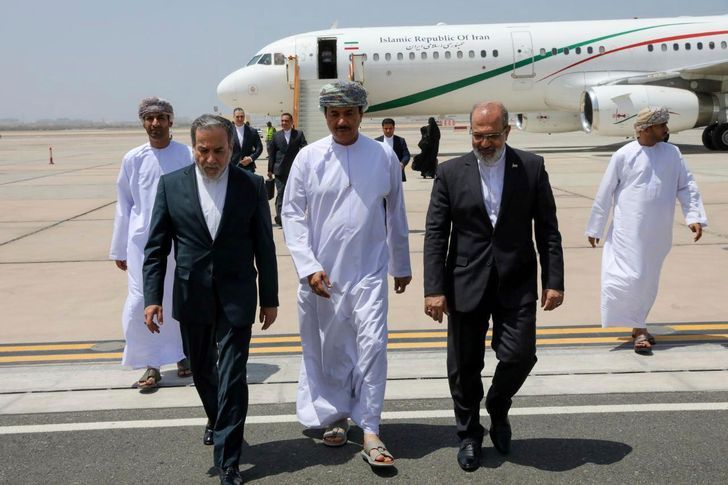
Senior representatives from the United States and Iran met in Oman on Friday for rare, high-stakes talks on Tehran’s nuclear programme, as both sides navigate what analysts describe as one of the most volatile moments in their relationship in decades.
The meeting, hosted in Muscat, marks the first direct engagement between the two governments since a brief but intense conflict earlier this summer involving Israel and US airstrikes on Iranian nuclear sites. It comes amid a renewed American military buildup in the region, including additional naval and air assets positioned near Iran, and repeated warnings from Washington that diplomacy is not its only option.
According to US officials, the talks are intended to test whether a negotiated path remains possible. President Donald Trump has signalled interest in a deal but has also made clear that alternative courses of action remain on the table. The US delegation includes special envoy Steve Witkoff and Jared Kushner, with the notable addition of the head of US Central Command, Admiral Brad Cooper — an unusual move that underscores the security backdrop to what is formally a diplomatic encounter.
Iran is represented by Foreign Minister Abbas Araghchi. Tehran has indicated it is prepared to discuss its nuclear activities, but has consistently resisted broader negotiations on its missile programme, regional alliances or domestic human rights issues. US officials, by contrast, have publicly argued that any meaningful agreement must go beyond uranium enrichment alone.
The talks take place with Iran under significant pressure. Its nuclear infrastructure suffered heavy damage during strikes earlier this year, while internal unrest and economic deterioration have further weakened the country’s position. Iran’s currency has hit record lows, and the prospect of additional sanctions or military confrontation continues to weigh on the economy.
Despite this, Iranian leaders have shown little public willingness to abandon enrichment entirely, which Washington has described as a non-negotiable demand. Tehran has also warned that any further attacks could spark a wider regional conflict, raising the stakes of miscalculation.
Tensions were evident even before delegates arrived in Oman. In recent days, Iranian drones and naval vessels were involved in incidents near US forces and commercial shipping, prompting speculation that the talks might collapse before they began. Disagreements over the venue and format of the meeting further delayed progress, with Oman ultimately emerging as a compromise host.
Observers caution that expectations for a breakthrough are low. Analysts note that while both sides may see value in keeping channels open, the gap between their positions remains wide. At best, the meeting may serve as a way to reduce immediate risks and set the stage for follow-up discussions.
For now, diplomacy appears to be running alongside deterrence, with neither side ready to back down — and both keen to avoid being blamed for whatever happens next.