Winter Games, Warmer Reality: Climate Change Tests the Limits of Cold-Weather Olympics
Unseasonably mild conditions in Cortina highlight how rising temperatures are complicating preparations for future Winter Games.
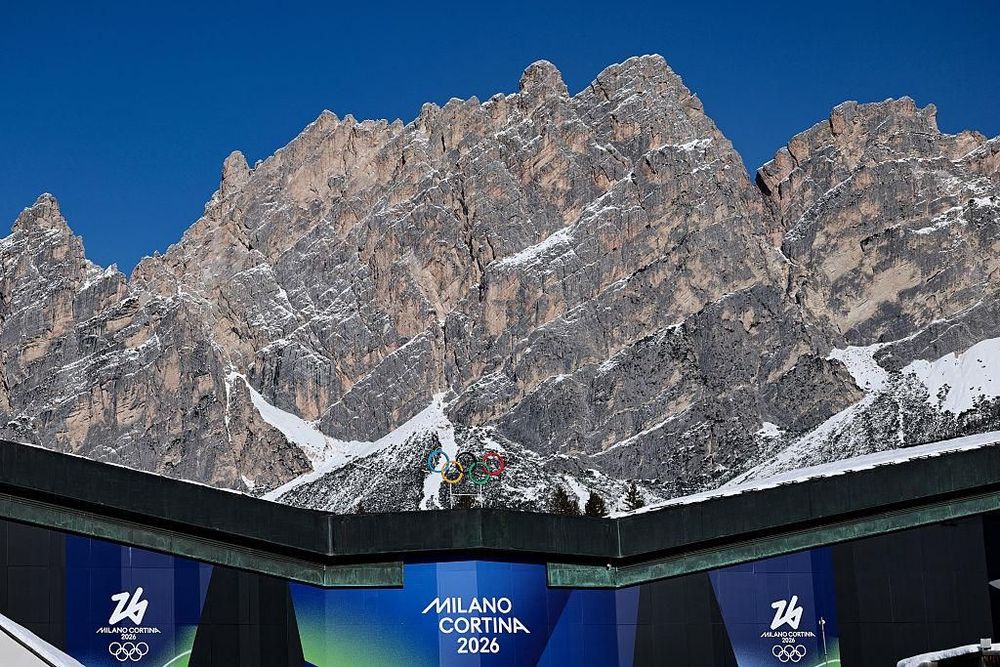
Spectators arriving in Cortina d'Ampezzo for winter sports events came prepared for biting cold, insulated coats and thick gloves packed in their luggage. Instead, many found themselves shedding layers as snow slid from rooftops and mild air settled over the Alpine resort—an experience that felt out of sync with expectations of a February winter in the Dolomites.
Meteorologists say that impression is backed by data. According to climate analysts at Climate Central, unusually warm February days like those seen in Cortina have become at least three times more likely because of climate change. Long-term records show that average February temperatures in the area have risen by more than three degrees Celsius since Cortina first hosted the Winter Olympics roughly seven decades ago.
The warming trend is not just a curiosity for visitors; it is an operational concern for organisers. As global temperatures climb, snowfall patterns, seasonal timing and cold spells are becoming less predictable. The International Olympic Committee has already acknowledged the issue, indicating that future Winter Games may need to start earlier in the calendar year, potentially shifting from February to January to reduce weather-related risks.
Cortina’s recent conditions illustrate the challenge. While the opening days of competition were marked by heavy snowfall and a traditionally wintry atmosphere, temperatures later climbed to around 4.5 degrees Celsius, feeling warmer still under direct sunlight. Forecasts suggest that further above-average temperatures are likely during the competition period, adding pressure on planners tasked with maintaining safe and fair conditions.
The complexity is heightened by the structure of the Milan–Cortina Games, which are spread across multiple locations with sharply differing microclimates. Venues such as Bormio and Livigno are geographically close but separated by high mountain terrain that can produce distinct weather patterns. To manage this variability, organisers are coordinating with several regional and provincial weather agencies, deploying sensors near ski jumps, along alpine courses and at biathlon ranges. Where automated data falls short, trained observers—described by officials as specialists in snow and mountain conditions—are stationed to provide real-time assessments.
Despite these preparations, weather remains one of the few variables that cannot be fully controlled. Higher temperatures can soften snow on alpine slopes, while humidity and warmth can degrade ice quality in indoor arenas and sliding tracks. Wind and visibility are particularly disruptive, capable of delaying or reshaping competition schedules. Even minor gusts can affect events like biathlon, where precision shooting leaves little margin for environmental interference.
Athletes are acutely aware of these challenges. Several competitors have noted that fluctuating conditions have made races more demanding this season, requiring constant mental adjustment. The consensus among teams is that adaptability has become as essential as physical preparation.
Cortina’s mild spell is not, by itself, proof of a changed climate. But scientists describe it as consistent with a broader pattern that is steadily eroding the reliability of winter conditions. As the Olympics look ahead, the question is no longer whether climate change will affect the Winter Games, but how far organisers can adapt before the concept of predictable winter sport itself begins to slip—much like the snow under a warming sun.