Feb 9, 8:24 AM
Washington Post CEO exits as newsroom upheaval deepens
Will Lewis steps down days after sweeping layoffs, leaving the paper facing questions over leadership, ownership and its editorial future.
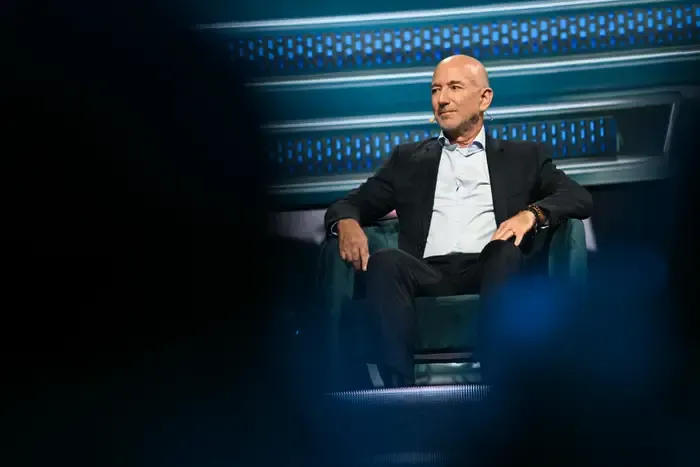
The leadership crisis at The Washington Post deepened over the weekend after chief executive Will Lewis announced his resignation, just days after the newspaper confirmed one of the largest rounds of layoffs in its recent history.
Lewis informed staff of his decision in an internal email on Saturday, saying that after two years of restructuring and change, the moment was right for him to step aside. The paper confirmed that its chief financial officer, Jeff D’Onofrio, has taken over as interim CEO with immediate effect.
The announcement follows mass job cuts revealed earlier in the week, which eliminated roughly a third of the newsroom. While the Post did not release official figures, reporting by The New York Times estimated that around 300 of the outlet’s approximately 800 journalists were affected. The reductions went well beyond routine belt-tightening: the sports department was shut down entirely, the photography team was dissolved, and coverage of Washington and international affairs was sharply reduced.
Neither Lewis nor owner Jeff Bezos appeared at the meeting where staff were informed of the layoffs, a detail that further inflamed tensions inside the organisation. The Washington Post Guild, which represents employees, welcomed Lewis’s departure but described the damage to the institution as severe. The union called for Bezos either to reverse the layoffs or to sell the newspaper to an owner willing to reinvest in its journalistic mission.
Lewis’s tenure, which began in early 2024 after a senior role at The Wall Street Journal, was marked by turbulence from the outset. His leadership coincided with a failed reorganisation, the exit of then–executive editor Sally Buzbee, and steady departures of high-profile journalists. Subscriber losses also mounted following Bezos’s decision during the 2024 US presidential campaign to withdraw a planned endorsement of Kamala Harris and shift the opinion section in a more conservative direction.
Former executive editor Martin Baron publicly criticised Bezos over the newspaper’s direction, arguing that recent decisions had severely damaged the brand in a short period of time. These claims reflect growing unease among current and former staff, though they remain opinions rather than findings established by independent review.
In his farewell message, Lewis defended his record and praised Bezos as an owner, saying the decisions taken during his leadership were aimed at ensuring the paper’s long-term sustainability. Bezos, for his part, did not mention Lewis by name in a statement welcoming D’Onofrio into the role. Instead, he emphasised data-driven strategy and said the Post was entering what he described as a new chapter of opportunity.
D’Onofrio, who joined the company last year after roles in technology, advertising and sports media, acknowledged the difficult moment in a message to staff. He framed the upheaval as part of broader pressures affecting the media industry and said he was confident the organisation could navigate the transition.
For now, the Post finds itself at a crossroads: diminished in size, uncertain in direction, and facing renewed scrutiny over how one of America’s most influential newspapers plans to survive an industry that seems determined to keep rewriting the rules.
Latest news