Oman Confirms Fresh US-Iran Nuclear Talks in Geneva Amid Rising War Fears
New diplomatic round set for Thursday as Trump warns of possible strikes and Tehran signals readiness for “any scenario”
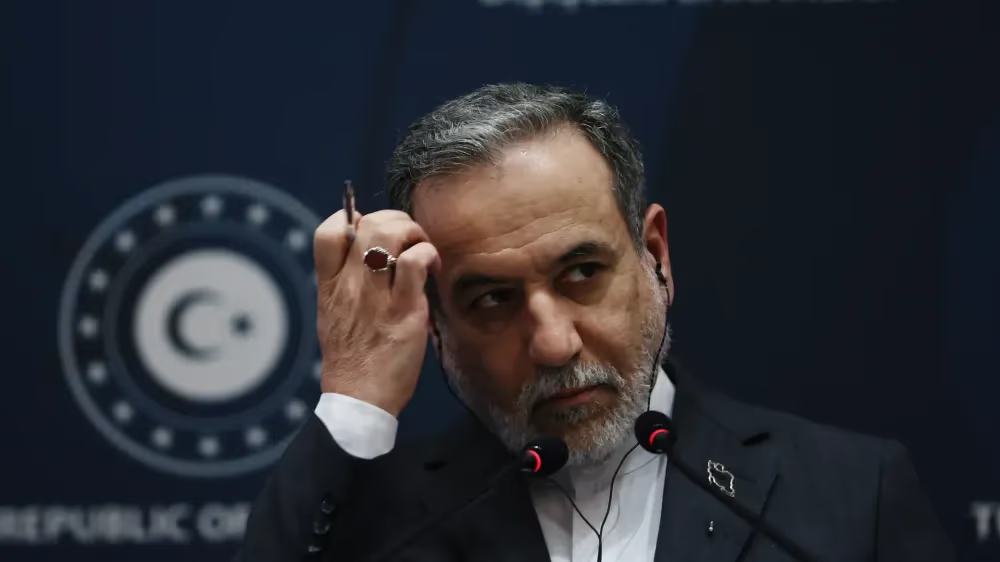
Oman has confirmed that the United States and Iran will resume nuclear negotiations on Thursday in Geneva, raising cautious hopes for diplomacy despite escalating military rhetoric on both sides.
Omani Foreign Minister Badr al-Busaidi announced the new round of talks on Sunday. Oman has played a central mediating role, previously hosting indirect negotiations and facilitating last week’s discussions in Geneva.
Iran’s Foreign Minister Abbas Araghchi said in an interview that he expects to meet US envoy Steve Witkoff and believes there remains a “good chance” for a diplomatic solution to the long-running dispute over Tehran’s nuclear programme.
The announcement comes amid heightened tensions. The United States has deployed two aircraft carriers and additional military assets to the Middle East in recent weeks, reinforcing threats of possible intervention. President Donald Trump warned on Friday that limited strikes against Iran remain an option if negotiations fail.
Both Washington and Tehran have signalled they are prepared for confrontation should talks collapse.
Inside Iran, the atmosphere remains volatile. Fresh pro- and anti-government rallies were held by students over the weekend, commemorating those killed in previous protest crackdowns. Iranian President Masoud Pezeshkian said negotiations had involved “practical proposals” and produced “encouraging signals,” but emphasised that Iran has prepared for all potential outcomes.
At the core of the talks is uranium enrichment. The US maintains that Iran must not possess nuclear weapons or the capacity to build them and has publicly insisted Tehran should not enrich uranium. Iran, however, argues it has a sovereign right to enrich uranium for peaceful purposes.
Araghchi said discussions have focused strictly on nuclear issues, even though Washington and Israel have also sought to address Iran’s missile programme and regional alliances. He added that Tehran is preparing a draft proposal that could include confidence-building measures in exchange for sanctions relief.
The dispute traces back to 2018, when Trump withdrew the United States from the 2015 nuclear agreement brokered between Iran and world powers. Since then, negotiations have repeatedly stalled.
In June, US and Israeli strikes targeted Iranian nuclear facilities. Trump later claimed the sites had been “obliterated,” though independent verification remains limited as Iran has restricted international inspections. Tehran insists it has not enriched uranium since those strikes and maintains its nuclear programme is strictly peaceful — a claim Western governments continue to question.
With military assets positioned and rhetoric intensifying, Thursday’s meeting in Geneva represents a crucial test of whether diplomacy can prevail — or whether the standoff edges closer to open conflict.