Sri Lanka Opens Its Doors to Remote Workers With New Digital Nomad Visa
The Indian Ocean island is betting on long-stay remote professionals as it rolls out a one-year visa for foreign workers in 2026.
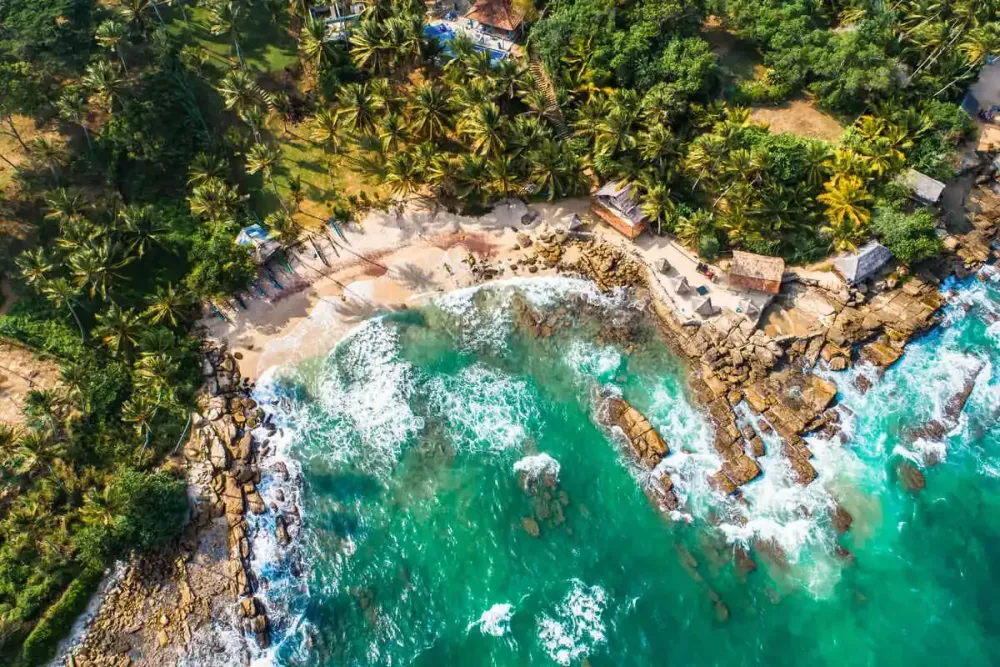
Remote work may have lost its novelty, but for countries eager to attract foreign income, it remains a valuable export. Sri Lanka is the latest to lean into the trend, officially launching a digital nomad visa aimed at remote workers willing to swap office desks for palm trees.
The visa, which came into force in February 2026 after several years of discussion, allows foreign nationals to live in Sri Lanka for up to one year while working remotely for employers or clients based outside the country. It can be renewed annually, positioning Sri Lanka as a longer-term base rather than a short stop on a nomad circuit.
To qualify, applicants must be at least 18 years old and demonstrate a monthly income of more than €1,700. The income threshold applies to individuals or families with up to two children, with additional financial requirements for larger households. Authorities also require proof that all professional activity and income sources are located abroad, effectively separating remote workers from the local labour market.
Applications are handled online through Sri Lanka’s Department of Immigration and Emigration. The visa costs €425 per person and comes with a set of conditions that may sound familiar to seasoned nomads: holders are prohibited from taking jobs with Sri Lankan companies and are expected to avoid political or disruptive activities during their stay.
The move is part of a broader effort to diversify tourism-linked income and attract longer-staying visitors. Sri Lanka already welcomes more than two million international tourists a year, drawn by its beaches, wildlife reserves, and historic cities. Officials appear to be betting that remote workers will stay longer, spend more locally, and provide a steadier economic contribution than short-term visitors.
For potential applicants, the appeal is obvious. The island offers a mix of tropical coastlines, hill-country landscapes, and cultural landmarks, from ancient cities to colonial-era fortresses. Recent infrastructure projects, including long-distance walking routes through tea-growing regions, add to the country’s appeal for those seeking more than just a beach view between video calls.
That said, the practical realities of remote work still apply. While major cities and tourist hubs offer reliable connections, Sri Lanka’s fixed broadband speeds lag behind many popular nomad destinations, ranking low globally. For some remote workers, that may be a minor inconvenience; for others, it could be a deal-breaker.
Still, as competition for mobile professionals intensifies worldwide, Sri Lanka’s new visa places it firmly on the digital nomad map — inviting remote workers to turn a holiday backdrop into a temporary home, at least for a year.