Feb 9, 11:12 AM
Seattle’s Long-Awaited Super Bowl Redemption Sparks Talk of a $10 Billion Sale
The Seahawks defeat the Patriots on the sport’s biggest stage, cap a decade-long rivalry, and boost the value of a franchise likely heading to the auction block.
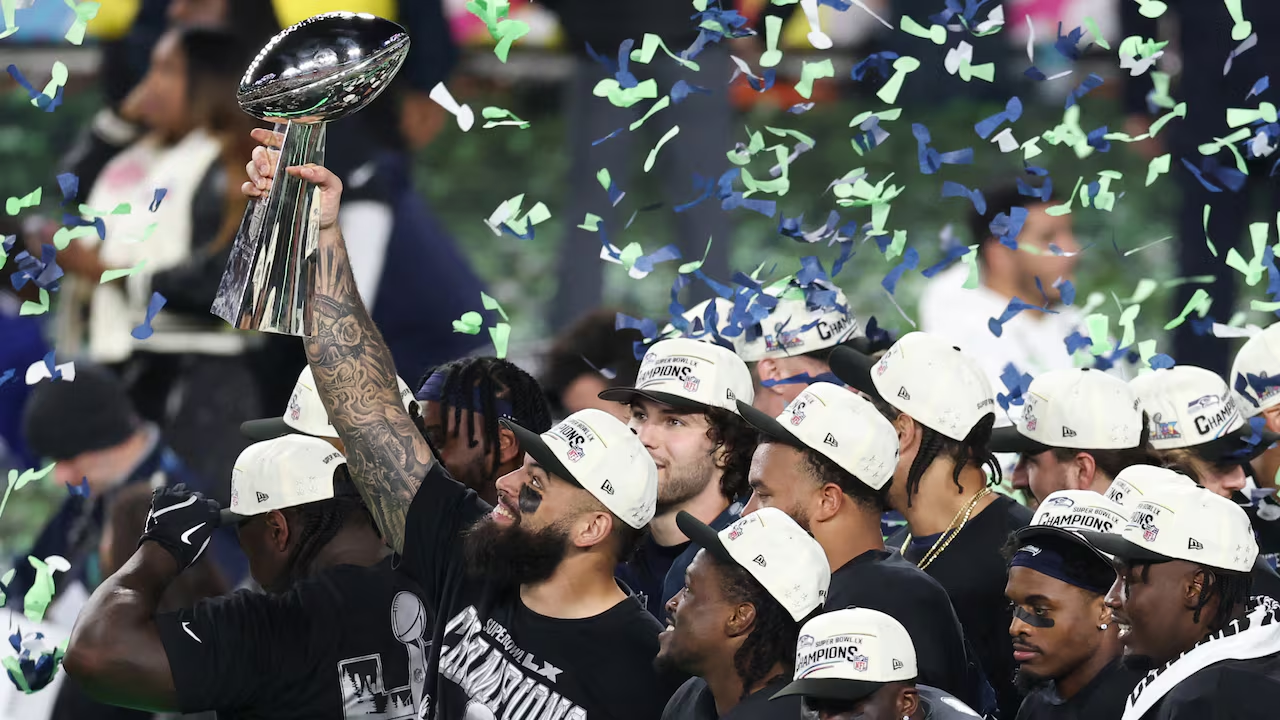
The Seattle Seahawks have finally closed one of the most painful chapters in their modern history — and may have added several billion dollars to their price tag in the process.
Seattle defeated the New England Patriots 29–13 in the Super Bowl on Sunday night, delivering a decisive victory that doubled as long-delayed revenge for their dramatic loss to the same opponent eleven years ago. The win secured Seattle’s first championship since 2014 and came without the late-game controversy that defined their previous Super Bowl meeting.
The game itself, played at Levi’s Stadium, unfolded against a backdrop that felt very much like modern America. Inside the venue, the familiar Super Bowl spectacle rolled on with pyrotechnics and military flyovers. Outside, protests targeting the Trump administration and US immigration enforcement underscored the political tension surrounding the event. On the field, however, fireworks were in short supply.
Seattle controlled the contest from start to finish. The Patriots’ offense struggled to find rhythm, raising questions about preparation and execution rather than nerves or ambition. Despite high expectations, New England avoided the ignominy of a scoreless Super Bowl but never seriously threatened to swing the outcome.
For Seattle supporters, style mattered less than substance. The victory erased memories of the 2015 defeat that lingered for a decade and cemented a sense that this version of the Seahawks was simply better equipped, more disciplined and more efficient.
Two figures stood out. Quarterback Sam Darnold, signed during the summer at a relatively modest cost after being overlooked elsewhere, managed the game calmly and effectively. He threw only one touchdown pass, but his control of tempo and decision-making kept Seattle firmly in charge.
Equally central was head coach Mike Macdonald. At 38, one of the league’s youngest head coaches, Macdonald capped his second season in Seattle with a championship. His path to this point has been unconventional — including time outside football altogether — but his defensive scheme left the Patriots with few answers.
As confetti fell in Santa Clara, the focus quickly shifted from celebration to speculation. The Seahawks are widely expected to be sold in the near future following the death of long-time owner Paul Allen in 2018. Allen’s estate, managed by his sister Jody Allen, is obligated to sell the franchise and direct the proceeds toward philanthropic causes under the terms of his will.
Industry estimates suggest the Seahawks could fetch close to $10 billion — a figure that would shatter the current NFL record set in 2023, when the Washington Commanders sold for $6.05 billion. While no sale price has been confirmed, the timing of a Super Bowl victory is unlikely to dampen investor enthusiasm.
The broader context supports such valuations. NFL franchises remain among the most lucrative assets in global sport, with league revenues reaching approximately $23 billion in the 2024–25 season. Discussions are already underway about expanding the regular season further, a move that would only accelerate income growth.
Seattle, with its passionate fan base, extensive regional reach and perennial sellout crowds, sits firmly in the league’s top tier. Season-ticket demand remains so strong that new applicants face waiting periods of several years.
Whenever the Seahawks officially go on the market, interest is expected to be intense. Winning the Super Bowl rarely hurts a franchise’s appeal — especially when it arrives wrapped in redemption, history and the promise of record-breaking returns.