Mar 3, 7:52 AM
Posting Strike Footage Online in the Middle East Could Lead to Arrest
Authorities warn that sharing videos of missile interceptions or impact sites may violate security laws
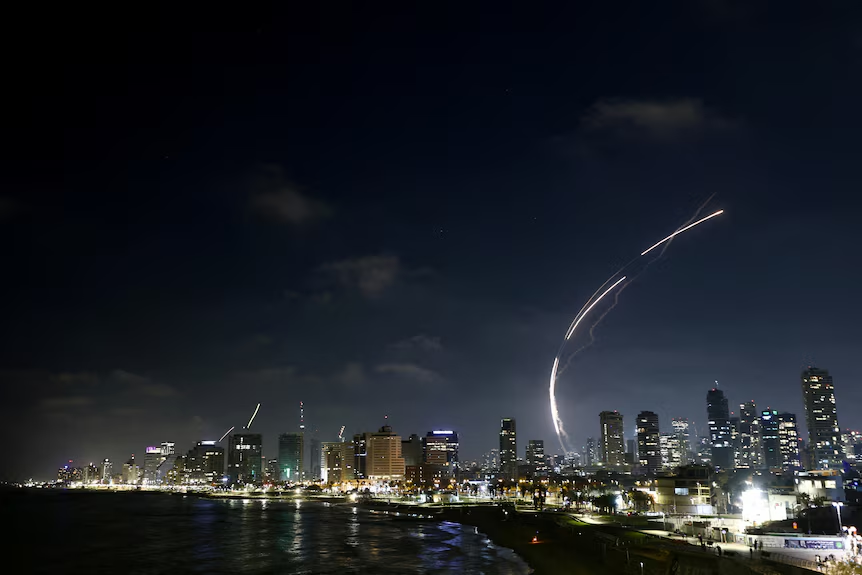
Scroll through social media lately, and you’ll see clips of missile interceptions lighting up the night sky, explosions echoing across feeds from every corner of the Middle East.. Here’s the thing: local authorities aren’t just watching, they’re sounding alarms.
Whether you’re an influencer chasing views, a curious traveler with your phone out, or simply a resident documenting what’s unfolding overhead, uploading footage of Iranian retaliatory strikes being shot down over Gulf cities could land you in legal hot water. Security officials aren’t mincing words. They insist that posting photos or livestreams straight from these strike zones isn’t just risky,it might actually tip off adversaries by exposing locations of defense systems or military facilities.
What looks like harmless content to most. It can be a goldmine for hostile actors hoping to fine-tune their next moves. Even more troubling: those viral videos sometimes zero in on exact impact points, potentially handing attackers valuable intel without anyone meaning to. But there’s more beneath the surface than tactics alone. Authorities warn that unchecked sharing and rapid-fire reposting often spiral into misinformation storms and collective anxiety.
Take Bahrain as a case study: the Ministry of Interior there recently confirmed arresting three people linked to strike-related posts,two caught livestreaming events as they happened, another accused of distributing footage from several different sites around the country. Their statement couldn’t be clearer: recording, uploading, or even resharing videos from incident locations crosses a legal line and threatens both public order and national security.
Kuwait has echoed these concerns too; their Ministry of Interior urged everyone to keep cameras stowed during missile interceptions or ongoing operations, not just because it complicates official procedures, but also because it can ramp up public fear and muddy news reporting with inaccuracies. They’ve spelled it out plainly: spreading rumors or misleading info is grounds for prosecution.. Meanwhile in Qatar, residents have been advised by their own Ministry of Interior not to circulate images or video showing aftermaths at strike sites,a move designed not only to limit panic, but also shield individuals from potential lawsuits tied to such posts.
The Dubai Media Office chimed in similarly, urging reliance on verified government updates instead of whatever happens to be trending online. It’s worth noting this isn’t some regional quirk either; similar rules are enforced anywhere conflict flares up, for example, Ukrainian authorities clamped down hard on posting air defense footage during Russia’s invasion precisely because it could compromise ongoing security efforts. Governments throughout the Gulf now push official updates via state news agencies and vetted social channels around the clock (sometimes faster than rumors themselves).
Their message is steady: trust information that comes straight from legitimate sources,don’t get swept away by eye-catching viral clips lacking context. So here’s where things stand for anyone living in, or visiting,the region right now: your smartphone may feel like nothing more than a window onto current events...
but when tensions run high. That same device can turn into a liability faster than you’d think, one careless upload away from serious consequences.
Written by Andreas Hofer