Feb 10, 2:26 PM
Mexico Sends Food Aid to Cuba as US Oil Blockade Deepens Island’s Crisis
Two Mexican navy ships head to Havana with over 800 tonnes of supplies as fuel shortages, blackouts and food scarcity worsen
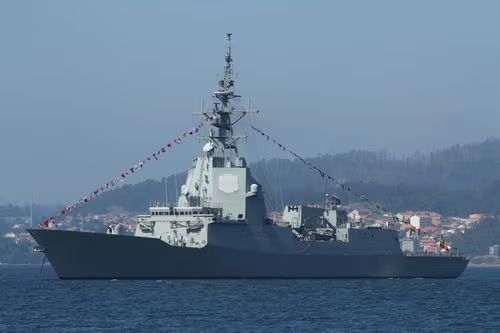
Mexico has dispatched two naval vessels carrying hundreds of tonnes of food aid to Cuba, stepping in as the island grapples with worsening shortages triggered by fuel scarcity and tightening US sanctions.
According to Mexico’s foreign ministry, the ships are loaded with essential foodstuffs including milk, powdered milk, rice and meat, amounting to a total of 814 tonnes. The vessels, operated by the Mexican navy, are expected to reach Cuba within four days.
The delivery comes as Cuba faces one of its most severe economic and energy crunches in recent years. Chronic fuel shortages have led to frequent power cuts, disrupted food distribution and mounting pressure on hospitals and public services. Tourism, one of the country’s main sources of foreign currency, has also declined sharply.
Mexican officials framed the aid as an act of regional solidarity, stressing that Mexico maintains cooperative relations across Latin America and the Caribbean, with Cuba holding a special place in its foreign policy. The government also noted that it has recently provided assistance to US states, including California following wildfires and Texas after severe flooding, underlining that its humanitarian support is not limited by political alliances.
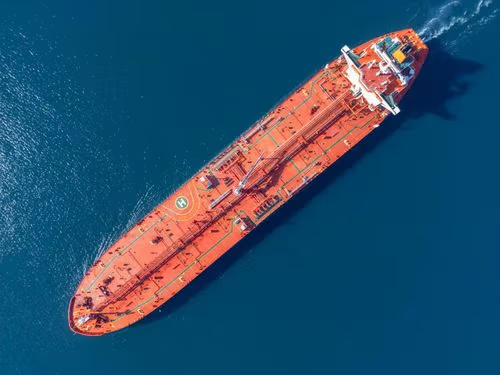
Cuba’s current predicament is closely tied to a renewed US crackdown on Venezuelan oil exports. In December, President Donald Trump ordered a full blockade on sanctioned oil tankers transporting Venezuelan crude, a move that directly hit Havana, which has long relied on subsidised fuel from Caracas.
The situation deteriorated further after the detention of Venezuelan leader Nicolás Maduro, an event that effectively stripped Cuba of one of its most important political and economic partners. In the aftermath, Washington also warned of potential tariffs and penalties against countries still supplying oil to the island.
Mexico, which had recently emerged as Cuba’s largest remaining oil supplier, halted its fuel exports under the growing pressure. That decision compounded the energy crisis, leaving the Cuban government scrambling for alternatives while rationing electricity and basic goods.
While the Mexican aid shipment offers short-term relief, it does little to resolve the structural challenges facing the island. For many Cubans, daily life continues to be marked by long blackouts, shortages of food and medicine, and an uncertain economic outlook.
As geopolitical tensions tighten around Cuba once again, Mexico’s move highlights the increasingly stark divide between humanitarian gestures and the hard realities of sanctions-driven diplomacy.