Feb 3, 12:54 PM
Italy Moves to Tighten Security Laws After Violent Turin Protests Injure Over 100 Officers
Rome accelerates a new security decree after clashes linked to an anarchist demonstration leave dozens of police hurt and raise concerns ahead of major international events.
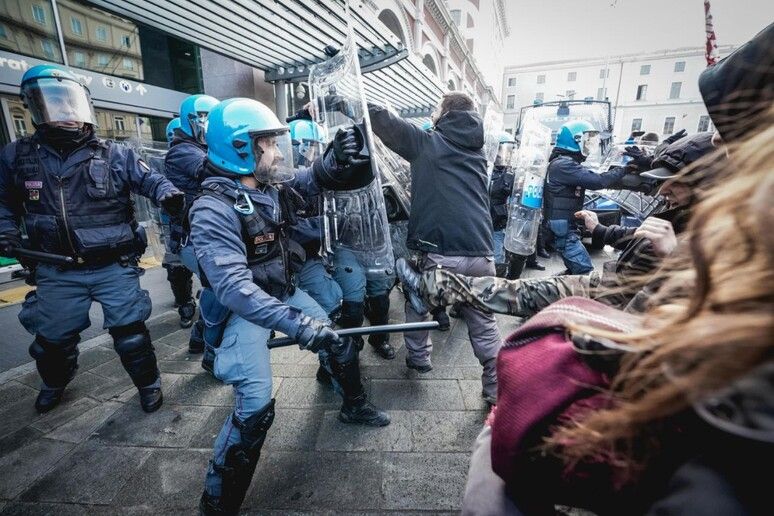
Italy’s government is pushing through emergency security legislation following violent street clashes in Turin that left more than 100 members of the security forces injured, including a police officer who was struck with a hammer during confrontations with masked demonstrators.
The unrest erupted during a protest in support of the Askatasuna anarchist social centre, which had been forcibly cleared by authorities in December after a separate attack on the headquarters of the newspaper La Stampa. What began as a demonstration escalated into hours of violence, with police reporting that an aggressive core group of around 1,500 protesters overwhelmed security lines in parts of the city.
Among the most serious incidents was the assault on a 29-year-old officer from the Padua Mobile Police Unit, who was surrounded by protesters and repeatedly hit, including with a hammer. He was later taken to Turin’s Molinette hospital with multiple injuries but was discharged the following day. At least one other officer required hospital treatment, while dozens more were treated for injuries sustained during the clashes.
According to authorities, a total of 108 security personnel were injured, including police officers, financial police and carabinieri. Police vehicles and street furniture were set on fire, rubbish bins were torched and improvised weapons such as stones, smoke bombs and incendiary devices were thrown at officers. Investigators also reported seizing knives, wrenches and other objects used during the violence.
Police arrested three men aged between 22 and 35 in connection with the clashes. One suspect, identified through video footage, is accused of participating in the attack on the injured officer and of stealing his protective equipment. More than 20 additional individuals were reported on various public-order offences, including resisting police and concealing their identities.
The scale of the violence has prompted alarm within the government, particularly as Italy prepares to host the Milano-Cortina Winter Olympics in 2026. Officials noted that some demonstrators had travelled from abroad, including from France and northern Europe, complicating crowd control efforts.
Prime Minister Giorgia Meloni condemned the attack on the officer as an act that went beyond protest, arguing that such violence warranted a stronger legal response. Following a visit to injured officers in hospital, she announced that the government would fast-track a security decree that had already been under discussion.
The proposed measures include temporary preventive detention for repeat offenders involved in violent protests, tighter rules on knife sales to minors and broader self-defence provisions. Interior Minister Matteo Piantedosi is expected to brief parliament on the events and outline the government’s response, while senior coalition figures have urged swift approval of the new rules.
Opposition parties have denounced the violence but expressed concern over how the government is framing the events. Critics argue that describing the clashes as “urban terrorism” risks conflating criminal acts with legitimate protest and could be used to justify sweeping restrictions on public demonstrations.
President Sergio Mattarella contacted the interior minister to express solidarity with the injured officers, underscoring institutional support for the security forces as investigations into the Turin clashes continue.