Jan 12, 9:41 AM
Iran Protest Death Toll Rises as Trump Says Tehran Has Sought Talks
Activists report more than 500 killed while the US president warns military action may come before negotiations
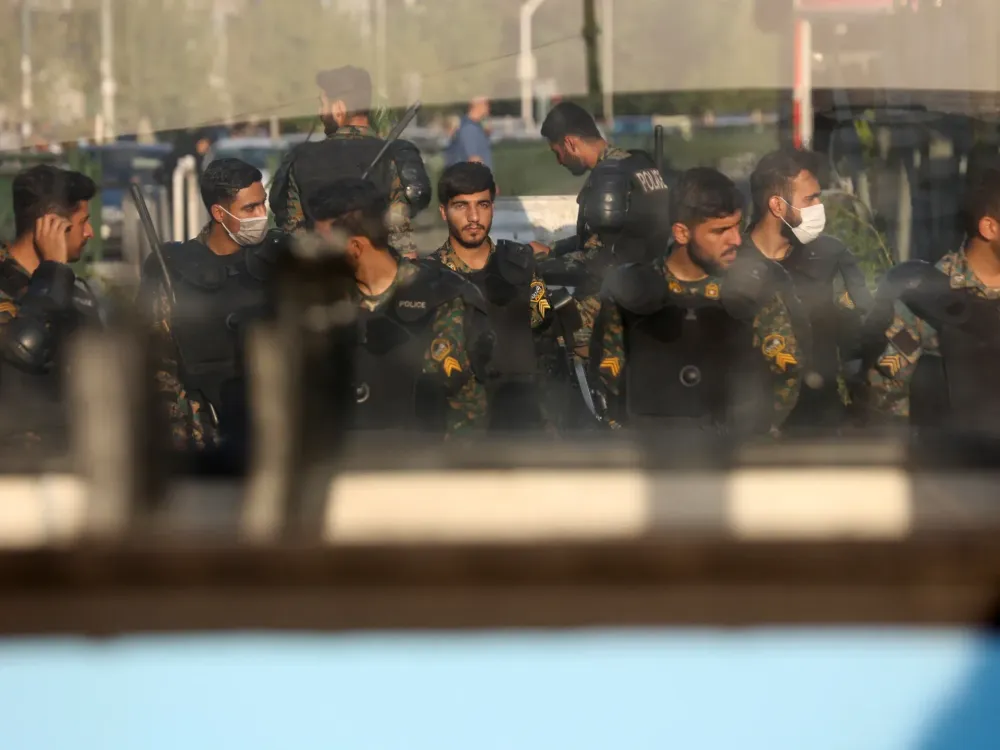
At least 544 people have been killed during ongoing protests in Iran, according to activists, as Donald Trump said Tehran has proposed negotiations following his threats of possible military action.
The figure was released by the Human Rights Activists News Agency, which also reported that more than 10,600 people have been detained in the past two weeks. Of those killed, the group said 496 were demonstrators and 48 were members of the security forces.
Trump: “Iran wants to negotiate”
Speaking to reporters aboard Air Force One on Sunday night, Trump said his administration was preparing a meeting with Iranian officials but warned that events on the ground could force Washington to act first.
“I think they’re tired of being beat up by the United States,” Trump said. “Iran wants to negotiate.”
He added that while a meeting was being arranged, “we may have to act because of what’s happening before the meeting.”
There was no immediate confirmation from Tehran that it had requested talks. Iranian officials last week warned that any US military intervention would be met with retaliation.
Threats of escalation
Iran has said that US forces and Israel would be considered legitimate targets if Washington intervenes militarily to protect protesters. Asked about these warnings, Trump responded with a stark threat of his own.
“If they do that, we will hit them at levels that they’ve never been hit before,” he said, adding that the US military was reviewing “very strong options”.
Analysts note that Washington’s large military deployment to the Caribbean could complicate any decision to open a new front, as the Pentagon weighs its global commitments.
Protests sparked by economic collapse
The demonstrations began on 28 December, triggered by the collapse of the Iranian rial, which is trading at more than 1.4 million rials to the US dollar. The currency crisis has been driven by years of international sanctions, including those linked to Iran’s nuclear programme.
What began as economic protests quickly evolved into direct challenges to Iran’s political system, with chants targeting the country’s leadership.
With internet access cut and phone lines restricted inside Iran, verifying casualty figures independently has proven difficult. Iranian authorities have not released official nationwide death tolls, raising fears abroad that the information blackout is enabling a harsher crackdown.
Defiance in parliament
Tensions escalated further during a speech in Iran’s parliament by Mohammad Baagher Qalibaf, a hardline figure and former presidential candidate.
He warned that in the event of an attack on Iran, US military bases, ships, and Israel would all be targeted. Lawmakers responded by chanting “Death to America!” inside the chamber.
Any decision to escalate into open conflict would ultimately rest with Ali Khamenei, Iran’s 86-year-old supreme leader. Iran previously targeted US forces at Al Udeid Air Base last year following US strikes on Iranian nuclear facilities.
A volatile crossroads
As reports of deaths and mass arrests continue to mount, the situation leaves little room for diplomacy without risk. Trump’s remarks suggest that Washington sees negotiations as possible — but not guaranteed — while Tehran’s warnings point to a readiness for confrontation.
Whether talks materialise before further escalation remains uncertain, as Iran’s streets stay tense and the international community watches for the next move.