Mar 13, 1:17 PM
State Audit Warns of Widespread Vehicle Registration Fraud Across France
State auditors warn that loopholes in the vehicle registration system have enabled widespread fraud, costing hundreds of millions in lost taxes and fines while creating opportunities for crime.
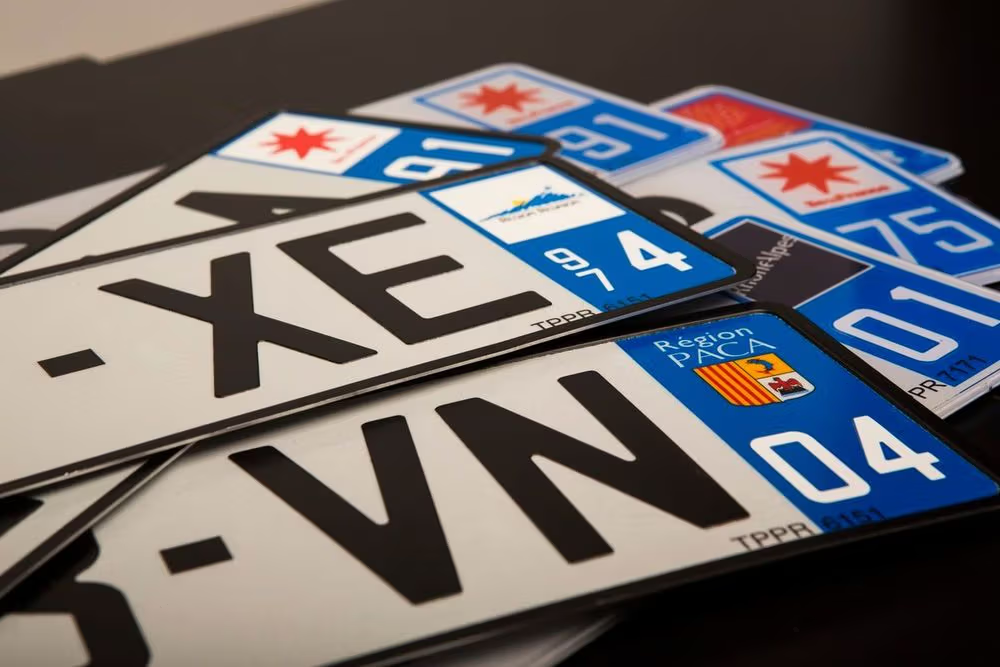
France’s vehicle registration system is under the microscope after auditors uncovered that as many as one million cars might be cruising the country’s roads with fake registrations. This quietly brewing issue, which had been simmering for years, is now being branded as a serious administrative blind spot that’s drained public coffers and paved the way for criminal enterprises.
The root cause, according to the national audit office, lies in flaws within the digital registry tracking vehicle ownership and paperwork. Known as SIV, this system lets authorised agents issue registration documents. Yet, investigators claim that crafty fraudulent operators have hijacked this process, tweaking official records while maintaining a facade of legitimacy.
The fallout is more than just misplaced paperwork. Officials warn that cars with unverifiable registration details are a real hazard on public roads. Vehicles that shouldn’t legally be out there — including those that may have flunked safety inspections — have reportedly slipped through, operating unchecked.
This whole mess dates back to reforms rolled out in 2017. Back then, the French government wanted to speed up and modernise a notoriously sluggish registration system. Thousands of civil servants once in charge of vehicle paperwork were shifted away, while dealerships gained direct access to the state database, allowing them to tackle registrations straight away for their customers.
Sure, the reform quickened the pace. But here’s the thing — auditors say it also hinged on the hope that these new operators would act responsibly. That hope, as it turned out, was more wishful thinking than reality.
Over time, the probe reveals, hundreds of players figured out how to game the system. By establishing shell companies masquerading as dealerships, they gained access to the registry and manipulated vehicle data for a fee. The report estimates about 300 such entities operated unchecked by the state.
These vehicles often look completely kosher during random roadside stops. However, when later scrutinised, their ownership trails sometimes vanish into thin air.
The financial toll? Striking. Between 2022 and 2024, auditors estimate around €550 million in registration fees, parking fines, and speeding penalties went unpaid because cars linked to dodgy registrations couldn’t be properly tracked.
The audit also lists numerous fraud tactics — from dodging environmental taxes on gas-guzzlers to doctoring roadworthiness certificates and masking past owners.
Some scams have been quite sophisticated. For instance, a luxury car importer allegedly skirted hefty taxes by registering expensive rides as specially adapted vehicles for disabled drivers, a category that enjoys tax breaks.
Authorities highlight that stolen vehicles can be reborn with new IDs thanks to manipulated records, complicating detection. Crime rings reportedly exploit these vehicles for lightning-fast deliveries on highways, particularly when trafficking drugs.
The police first caught wind of the trouble following a spike in extreme speeding offenses over several years. As investigators dug into the tied registration data, inconsistencies started to pop up.
The national audit office rebuked the government for lax vetting of companies granted database access. With roughly 30,000 dealerships authorised to use the system, approvals often boiled down to little more than setting up a firm and sending in a request.
Officials from the Interior Ministry have owned up to the problem and insist fixes are in motion. A crackdown launched last year has already boosted fraud detections, and steps are underway to tighten rules on who gets into the registration database.
Will these measures be enough to lock down the sprawling “ghost car” network? That’s uncertain. For now, this revelation underscores a key point: speeding up bureaucracy can sometimes open the door to entirely new headaches — especially when oversight doesn’t evolve alongside tech.
Written by Christiane Hofreiter
Latest news