Feb 4, 8:09 AM
Danish Court Hands Long Sentences to Swedes Over Grenade Attack Near Israeli Embassy
Judges ruled the 2024 Copenhagen attack amounted to terrorism, despite claims it was carried out for money rather than ideology.
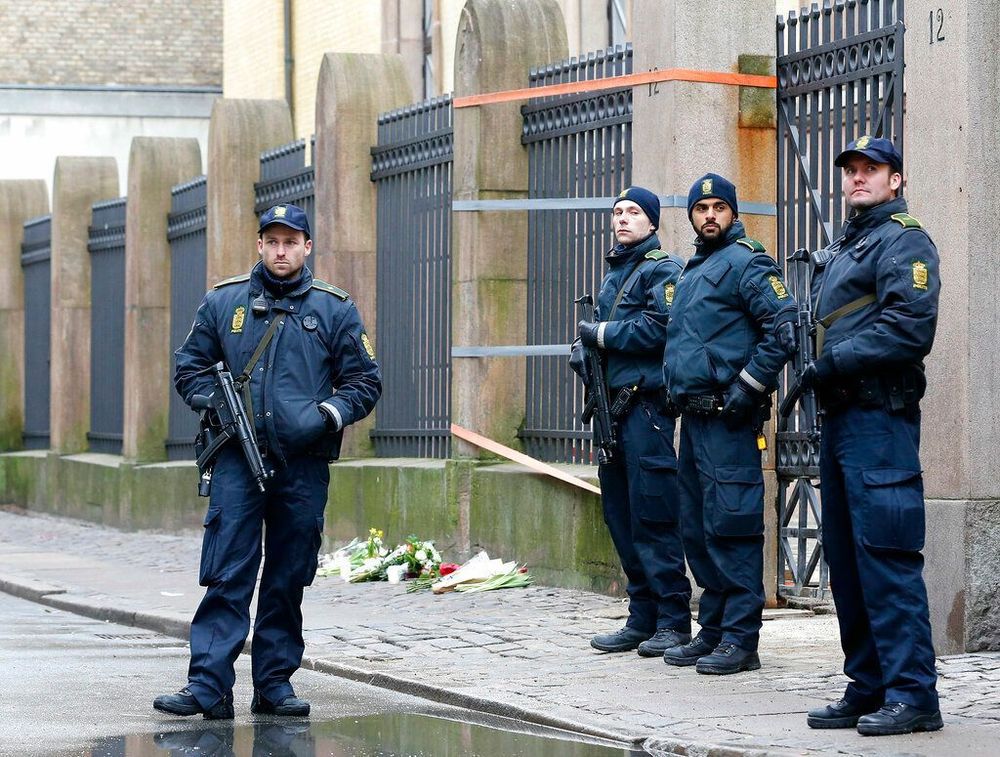
A court in Copenhagen has sentenced two Swedish nationals to lengthy prison terms for a grenade attack carried out near Israel’s embassy in the Danish capital last year, concluding that the incident constituted terrorism and attempted murder.
The defendants, now aged 18 and 21, received sentences of 12 and 14 years respectively. At the time of the attack in October 2024, they were minors. The court also ordered that both men be deported to Sweden once their prison terms are completed.
According to the ruling, the pair acted together and in coordination with at least one unidentified accomplice linked to a Swedish criminal network. Judges found that the planning and execution of the attack went beyond a spontaneous act and met the legal threshold for terrorism under Danish law.
The incident took place in the early hours of 2 October 2024, when two hand grenades were thrown toward the Israeli embassy in Copenhagen. The devices failed to reach the embassy compound and instead exploded on the terrace of a nearby residential building, roughly 100 metres away. No one was injured, but the blasts occurred in a diplomatic district that also houses other embassies.
A Jewish school located on the same street as the embassy was closed at the time, avoiding what authorities said could have been far more serious consequences.
During the trial, both defendants admitted to throwing the grenades but argued that they were motivated by financial gain rather than political or ideological beliefs. Prosecutors rejected that argument, stating that the operation served the interests of a terrorist organisation and that the Israeli embassy had been deliberately selected as the target.
Court proceedings revealed that the younger defendant is a member of Sweden’s Foxtrot criminal network and was recruited while still in school. He is also facing separate charges in Sweden related to a shooting at the Israeli embassy in Stockholm. The older defendant is likewise under investigation for involvement in another violent incident in Sweden.
Danish prosecutors said the case illustrates how organised crime networks can function as intermediaries for politically motivated violence, blurring the line between gang activity and terrorism.
The verdict comes against the backdrop of persistent gang violence in Sweden, where criminal groups have increasingly relied on teenagers to carry out attacks. Swedish authorities have previously warned that foreign actors may be exploiting these networks. In May 2024, Sweden’s intelligence services alleged that Iran had sought to recruit Swedish gang members to target Israeli interests, a claim Tehran has denied.
Defence lawyers for both men have announced plans to appeal the convictions and sentences.