Feb 9, 6:52 AM
A Super Bowl Like No Other: Bad Bunny, Spanish, and the Politics of Belonging
An all-Spanish halftime show collides with US immigration crackdowns and renewed debates over Puerto Rico’s unresolved political status.
This year’s Super Bowl in Santa Clara is expected to deliver the usual mix of spectacle, advertising excess and sporting drama. But beyond the final score, the night is shaping up to be a cultural moment with political undertones that extend far beyond the football field.
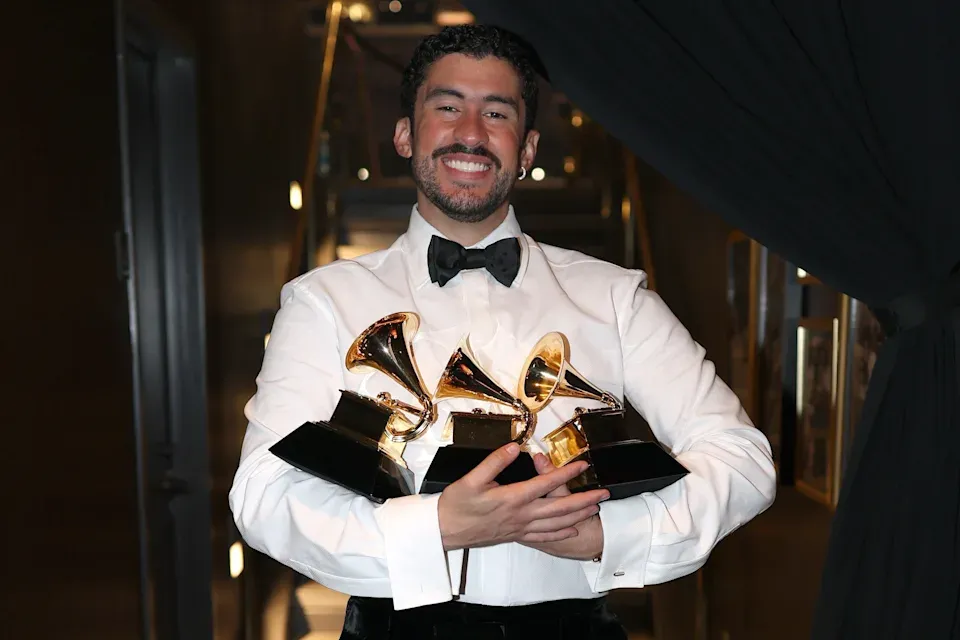
For the first time in the event’s history, the halftime show will be performed entirely in Spanish. Puerto Rican artist Bad Bunny is set to take the stage without switching languages, breaking a long-standing convention at what is widely considered the most prominent stage in American popular culture. The choice is notable not only for its artistic boldness, but for its timing.
Spanish is no longer a niche language in the United States. With more than 65 million Spanish speakers, the country now ranks second globally after Mexico. The language is woven into daily life through media, advertising, education and entertainment. Yet its presence outside cultural spaces remains contested, particularly in moments tied to immigration enforcement, policing and political rhetoric.
Bad Bunny’s performance arrives amid intensified US immigration controls, which advocacy groups say have disproportionately affected Latino communities. Raids on workplaces and neighbourhoods have increased over the past year, according to civil society organisations, spreading anxiety even among families with legal or mixed immigration status. These claims reflect reported concerns, though official authorities frame the operations as law enforcement measures.
Against this backdrop, Spanish has taken on added symbolic weight. For some, using it publicly is no longer just a matter of communication but an assertion of identity. For others, it has become a flashpoint in broader debates over national culture and language norms. Reactions to the Super Bowl performance reflect this divide, with supporters viewing it as long-overdue recognition and critics interpreting it as a challenge to traditional ideas of “American” identity.
The contrast is striking. Latino culture is enthusiastically consumed across the United States, from music charts to streaming platforms, while political debates often cast Latino communities through the lens of borders and legality. Bad Bunny’s rise to global stardom embodies that contradiction: celebrated on world stages, yet emerging from communities that remain under scrutiny at home.
Puerto Rico sits at the centre of this tension. The island’s residents are US citizens, subject to federal laws and eligible for military service, yet they cannot vote in presidential elections and lack voting representation in Congress. This long-standing arrangement has left Puerto Rico in a political grey zone that continues to shape economic and social outcomes, especially in the wake of natural disasters that expose infrastructure weaknesses.
Frustration over this status has increasingly found expression in culture. Artists from the island have used global platforms to highlight what they describe as an unfinished chapter of decolonisation. In recent years, a small but vocal movement has even revived the idea of Puerto Rico rejoining Spain as an autonomous region, arguing that historical decisions taken in 1898 ignored local consent. Supporters say such a move could strengthen political representation and cultural protection; critics dismiss the proposal as impractical and symbolic. What is factual is that the issue has gained enough visibility to appear in international discussions on decolonisation.
All of these threads converge under the bright lights of the halftime show. The performance itself is unlikely to include overt political statements, but its very form carries meaning. Singing exclusively in Spanish before a global audience turns language into a message without slogans or banners.
As the US continues to debate borders, identity and belonging, the Super Bowl stage offers a rare moment where culture briefly outruns politics. For some viewers, it will simply be entertainment. For others, it will feel like recognition long delayed. Either way, the message is difficult to ignore: languages, unlike people, cannot be deported, and culture often crosses borders more easily than policy ever does.