
Feb 6, 1:34 PM
Wall Street Slides as Alphabet Shock Ripples Through Stocks, Crypto and Commodities
A sharp sell-off in Google’s parent company unsettles US markets, dragging down equities, bitcoin and precious metals as fresh labour data fuels rate-cut speculation.
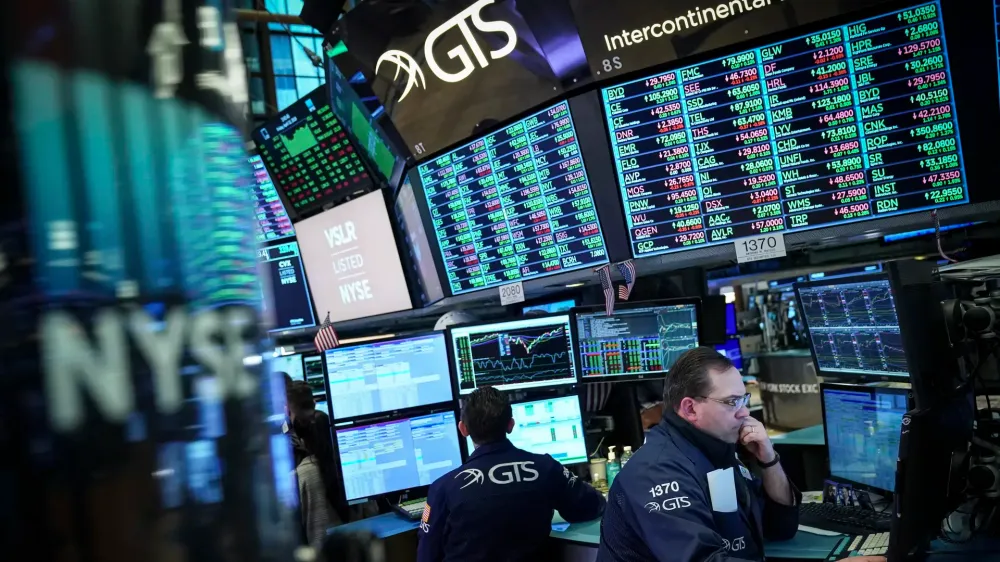
US financial markets took a broad hit on Thursday after a steep decline in Alphabet, Google’s parent company, triggered a wave of selling that spread far beyond tech stocks. Equities fell sharply, while bitcoin, gold and silver also retreated, underscoring how tightly linked risk sentiment has become across asset classes.
The S&P 500 dropped around 1.2%, extending a losing streak that has followed its recent record high. The Dow Jones Industrial Average fell by roughly 600 points, while the Nasdaq slid even more sharply, weighed down by losses in large technology names. Alphabet alone shed more than 4%, making it the single biggest drag on the broader market.
The sell-off came despite Alphabet reporting quarterly profits above analysts’ expectations. Investors instead focused on the company’s investment outlook. Management signalled that spending on equipment and infrastructure could climb to about $180 billion this year — far exceeding market forecasts. The scale of that commitment unsettled investors already nervous about high valuations and mounting capital costs in the tech sector.
Market pressure intensified as new data pointed to potential cracks in the US labour market. Applications for unemployment benefits rose more than expected last week, while separate figures showed a surge in announced job cuts and a decline in available job openings to the lowest level in more than five years. Economists caution that some of the figures may reflect short-term volatility rather than a clear trend, but together they were enough to shift market expectations.
Bond markets reacted quickly. Treasury yields fell across the curve as traders increased bets that the Federal Reserve could be forced to cut interest rates sooner to support economic growth, even if inflation risks remain unresolved. The benchmark 10-year yield slipped to just over 4.2%.
The turbulence was even more pronounced in commodities and digital assets. Silver prices posted a double-digit drop in another dramatic swing after a period of rapid gains, while gold fell more than 2% as investors reassessed how much protection the metal can offer during market stress. Both assets had surged earlier amid concerns over political instability, government debt and expensive equity markets — conditions that often favour so-called safe havens, until they do not.
Bitcoin also moved sharply lower, falling well below recent highs. The decline rippled through crypto-related stocks, many of which recorded heavy losses as enthusiasm for “digital gold” cooled alongside traditional hedges.
Not all corners of the market were red. Some companies expected to benefit from continued investment in artificial intelligence infrastructure managed gains, helping to limit broader losses. A handful of firms also rose sharply after issuing upbeat earnings and guidance, a reminder that individual balance sheets still matter even during market-wide pullbacks.
Outside the US, stock markets across Europe and Asia also fell, reflecting the global reach of the sell-off. Major indexes in London, Paris and Frankfurt declined, while Asian markets saw even steeper losses, particularly in South Korea, where stocks retreated from recent highs.
For now, investors appear caught between competing forces: optimism around technology spending and innovation, and growing unease about economic momentum, employment trends and the sustainability of recent market rallies. Thursday’s moves suggest that confidence, much like prices, can change direction quickly.
Latest news