Jan 13, 5:49 AM
Austria Stands Out as Europe’s Inflation Outlier
Persistent price pressures on energy, food, and services are eroding purchasing power and deepening economic anxiety
Inflation continues to weigh heavily on Austria, setting the country apart from much of the rest of Europe. With consumer prices rising by around 4 percent year-on-year, inflation has remained stuck at the same elevated level for months. What may look like statistical stability instead translates into a steady loss of purchasing power for households, as high prices become entrenched rather than temporary.
Unlike in many eurozone countries, where inflation has cooled closer to the European Central Bank’s target, Austria’s price dynamics show little sign of relief. The prolonged period of elevated inflation is now entering its fourth year, increasingly shaping daily life, consumption patterns, and broader perceptions of economic decline.
Energy and housing costs remain the main burden
Energy prices continue to be the single most significant driver of inflation. Housing, water, and energy costs have risen sharply, increasing by more than 6 percent over the past year. Electricity has emerged as the dominant pressure point, particularly after the expiration of state support measures and simultaneous increases in grid fees and taxes.
For many households, energy bills have become difficult to predict and even harder to absorb. While price increases for gas, heating oil, and solid fuels have been somewhat less dramatic, they still add to a cumulative burden that leaves little room for adjustment or savings.
Food prices keep everyday expenses high
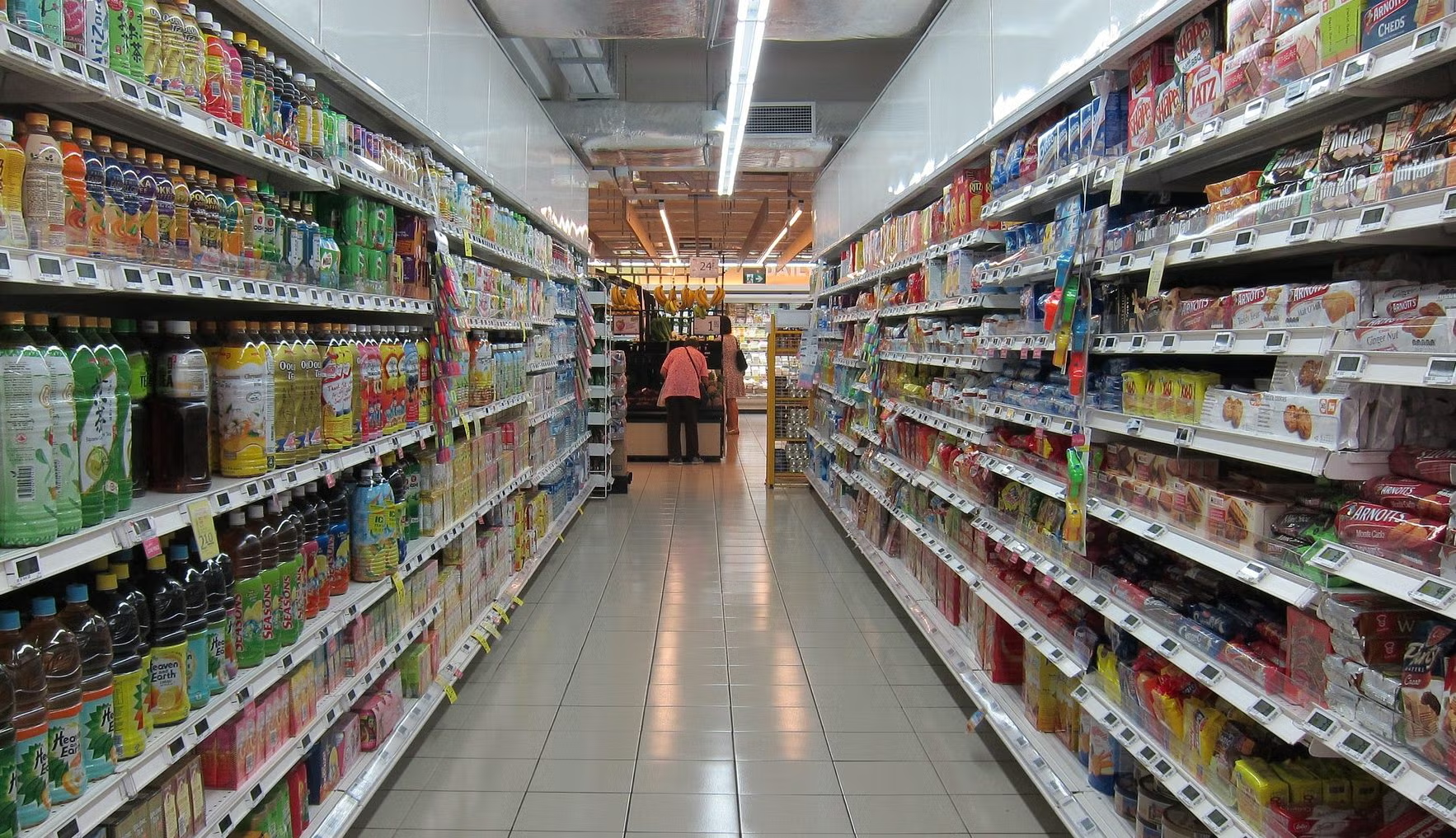
There is also little relief at the supermarket checkout. Food and non-alcoholic beverages are still significantly more expensive than a year ago, with average price increases of around 3.6 percent. Meat and dairy products, which form a core part of household spending, have seen particularly strong price rises.
Although some categories, such as vegetables or cooking oils, have become cheaper, these declines do little to offset the overall cost of the weekly shop. Compared with just a few years ago, everyday groceries consume a noticeably larger share of household budgets.
Services turn into a growing inflation driver
Beyond basic necessities, services are increasingly contributing to price pressures. Restaurant prices have risen by more than 6 percent, turning dining out into an occasional luxury for many families. Leisure, cultural events, and travel have also become more expensive, with package holidays and tourism-related services showing notable increases.
Activities once considered routine elements of quality of life are now postponed or abandoned altogether, reinforcing the sense that living standards are slowly slipping.
A growing gap within the eurozone
In a broader European context, Austria’s inflation performance stands out. While many eurozone economies have brought price growth largely under control, Austria remains well above the average. This divergence has made the country something of an outlier within the monetary union, raising questions about structural factors that continue to push prices higher.
The prolonged inflationary environment does more than strain budgets. It shapes how people perceive their economic future. Regular expenses such as food, fuel, and energy loom larger in people’s minds than occasional purchases, making inflation feel more severe than headline figures alone suggest.
Inflation as a social and psychological issue
For many households, rising prices come with a sense of powerlessness. There are few ways to escape higher costs for essentials, leaving cutbacks as the only option. This fuels uncertainty and stress, prompting some to delay long-term financial decisions while allowing themselves small, short-term indulgences as compensation — a behavior that may be economically irrational but psychologically understandable.
These pressures are amplified by a difficult broader economic backdrop. Austria, like much of Europe, faces weak growth, stagnant productivity, and concerns about losing ground in key future technologies. Real GDP per capita has stagnated for years and, when adjusted for inflation, remains below pre-pandemic levels.
Even where wages are regularly adjusted, inflation erodes purchasing power between pay increases. If wage settlements fail to fully match ongoing price growth, the losses become lasting. Combined with persistent negative economic news, this reinforces the impression that prosperity is no longer steadily advancing, but slowly retreating.
Inflation in Austria has thus become more than a matter of statistics. It is reshaping consumption habits, altering perceptions of security and progress, and lowering the perceived quality of life. As long as price pressures remain high and relief elusive, inflation will continue to act not only as an economic challenge, but as a deeper social one.