Oct 28, 3:00 PM
When Commercial Interests Dictate Historical Truth
Real Madrid and La Liga rush to placate Beijing after Kylian Mbappé mentions the obvious about Mao Zedong.
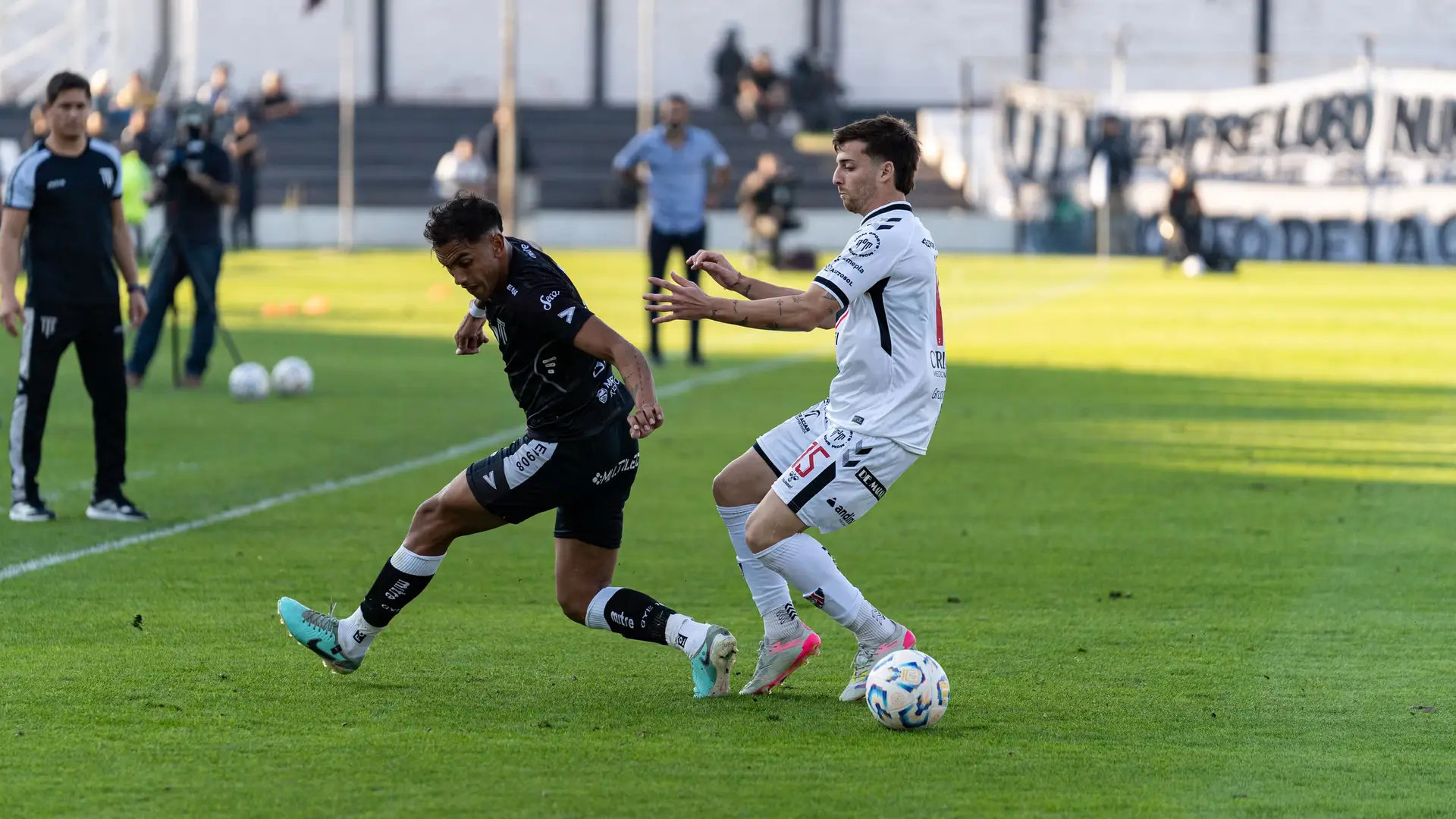
When Kylian Mbappé offhandedly referred to Mao Zedong as a dictator during a French podcast appearance, he was merely stating a consensus historical fact. Yet in the high-stakes ecosystem of elite sports, historical reality frequently yields to commercial survival. The backlash from Beijing was swift, calculated, and financially threatening enough to bring Spanish football executives to their knees.
China’s state-owned platform Migu promptly scrubbed Real Madrid’s upcoming fixture against Racing Santander from its broadcast schedule, leaving it as the sole omitted match among La Liga's ten weekend games. Simultaneously, major Chinese sponsors—including dairy producers Mengniu and Shanghai Milkground, alongside beverage maker Eastroc—severed their promotional deals with the French forward. Faced with a sudden freeze from a market crucial to Spanish football's precarious balance sheets, principles were discarded in record time.
The crisis achieved what years of domestic legal disputes could not: a temporary truce between Real Madrid and La Liga President Javier Tebas. Forget their fierce power struggles over domestic governance; the threat of lost Asian revenue instantly united former enemies. Tebas hastily established a dedicated crisis unit and arranged a meeting with Chinese ambassador Yao Jing, while actively weighing a diplomatic pilgrimage to Beijing to contain the financial damage.
Real Madrid soon published a formal institutional statement to smooth over the diplomatic rupture. Real Madrid CF wishes to express its apologies to the Chinese people for any discomfort caused by the recent words of our player Kylian Mbappe, the club announced, stressing that it maintains a deep respect for China, its history, its culture and its citizens.
Beijing signaled that the submission had been noted. Chinese foreign ministry spokesperson Guo Jiakun publicly responded to the situation, stating that we take seriously the apology that the person has made.
What this episode makes abundantly clear is the structural fragility of European football clubs operating on thin margins. When a major sporting enterprise must immediately issue groveling communiqués because a player observed that a twentieth-century autocrat was an autocrat, the balance of power between Western entertainment and state-backed capital could not be clearer.
Written by Andreas Hofer andreas.hofer@alpineweekly.com