
Nov 7, 1:01 PM
Wave of Hoax Bomb Threats Disrupts International Airline Operations
More than 30 false alarms hit twelve carriers in four days, prompting military escorts and flight diversions
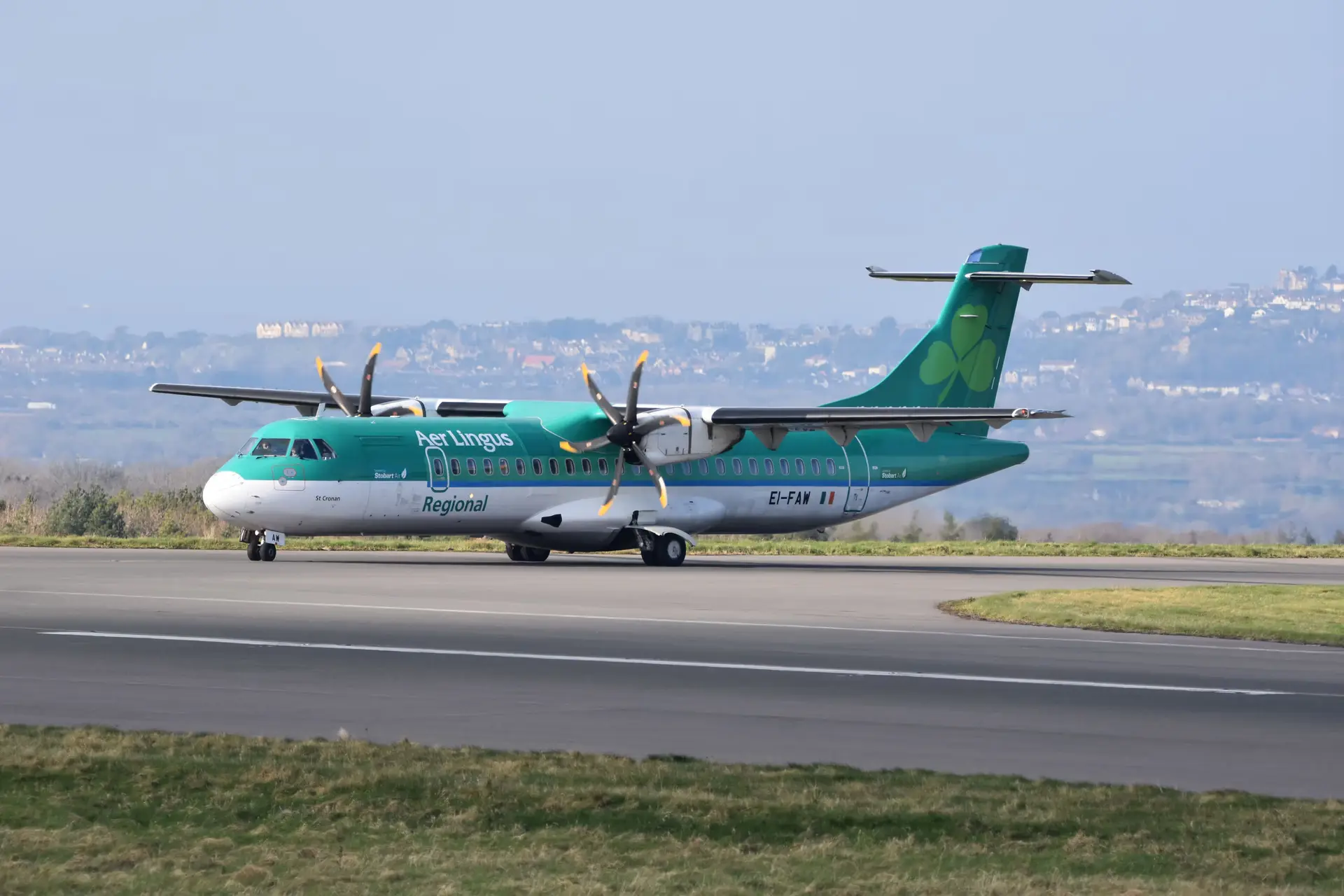
More than 32 false bomb threats directed at twelve commercial airlines over a four-day period have prompted emergency responses across multiple international air routes. The threats, delivered via telephone calls and electronic mail, proved to be hoaxes upon investigation, but required immediate security measures from air traffic control authorities and flight crews.
The disruption led to varied emergency procedures, including military fighter aircraft escorts and quiet in-flight cabin inspections by crew members. Several aircraft were rerouted to alternate airports in different jurisdictions. In one instance, an Aer Lingus flight was forced to land at a military airbase located 1,000 kilometers from its planned destination after its fuel reserves ran low during the incident.
Standard safety procedures require airlines to treat every incoming threat as active until cleared. According to Marco Chan, a former commercial airline pilot and aviation expert at Kingston University, carriers operate structured triage systems but apply identical initial security protocols for each report. Chan noted that while searches on the tarmac and mid-air checks cause operational delays, safety protocols remain the primary determinant in handling such events.
Operational experts indicate that commercial aviation routinely handles unscheduled diversions. Paul Mason, an aviation security expert, stated that technical issues, medical emergencies, and weather events account for over a hundred flight diversions globally each day, far exceeding the number caused by the recent false alarms. Mason added that passengers affected by these security disruptions are unlikely to qualify for ticket refunds, as the circumstances remain outside the financial liability of the airlines.
Investigative authorities have found limited intelligence regarding the origin of the coordinated communications. Electronic messages referencing an extremist group were reported, though the group's founder subsequently denied responsibility for the incidents. Mason, who has 20 years of military experience, noted that the pattern of incidents displays characteristics associated with hybrid warfare techniques. Moscow has stated it has no involvement in the threats, while Mason noted the potential use of sophisticated technology or proxies to obscure the origins of the messages.
Legal frameworks establish strict penalties for transmitting false security warnings to aviation operators. Under the Aviation Security Act 1982, intentionally communicating deceptive information that endangers an aircraft in flight constitutes a serious criminal offence, carrying a maximum sentence of life imprisonment. Authorities maintain these measures to deter individuals from attempting similar communications.
Written by Thomas Nussbaumer thomas.nussbaumer@alpineweekly.com