Jul 28, 8:01 AM
Waiting for Proof: Origin Energy’s Lethargic Response to a Massive Data Heist
Australia’s largest energy retailer sat on a hacker's warning for three weeks before admitting that 900,000 customer records had been compromised.
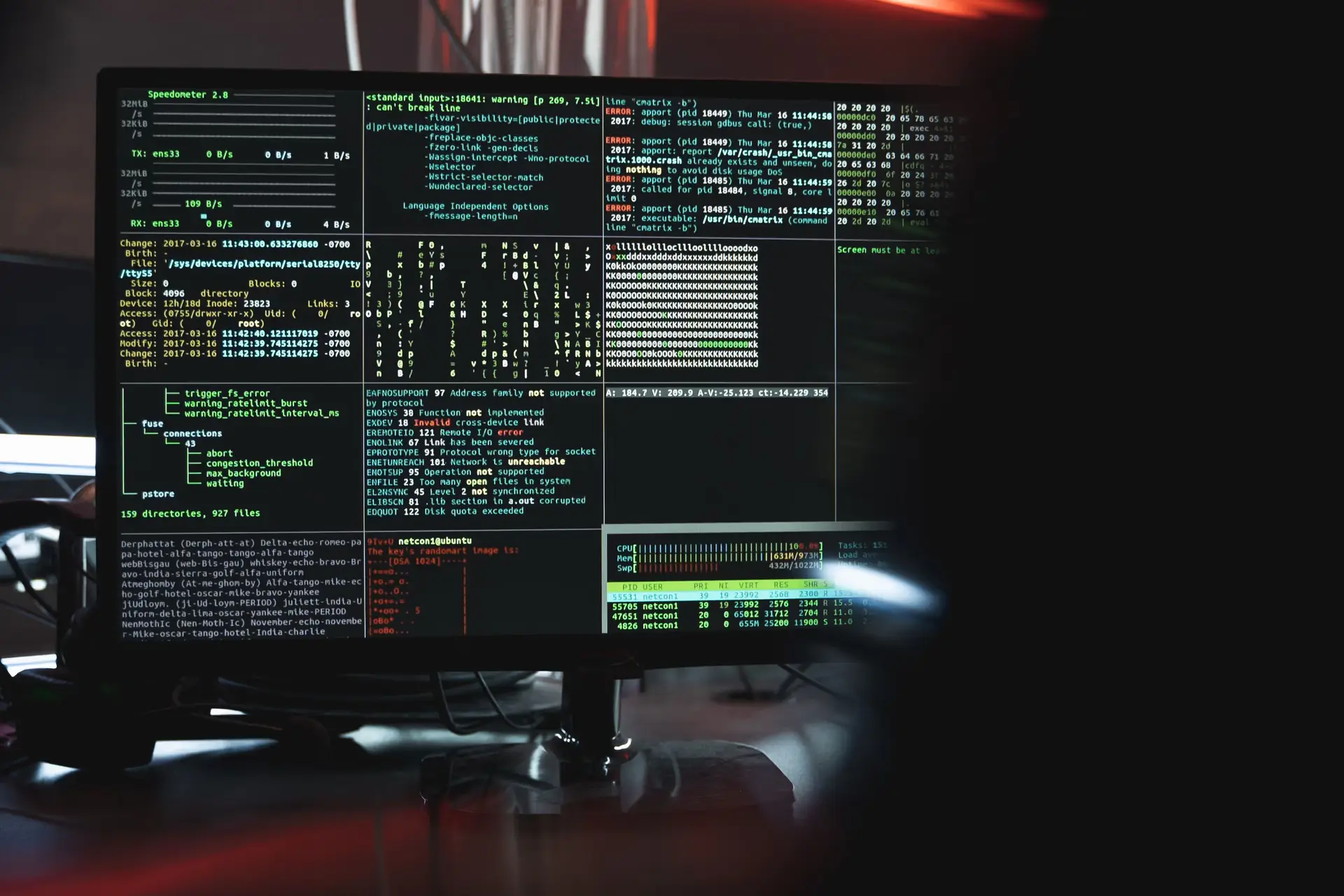
The modern corporate apparatus operates on a predictable rhythm when faced with a digital break-in: initial denial, delayed acknowledgment, and finally, a choreographed apology. Origin Energy, Australia’s dominant energy retailer, has executed this routine with textbook precision. The company recently disclosed that the personal data of approximately 900,000 current and former customers was compromised. Yet the most striking element of this debacle is not the breach itself, but the leisurely pace at which the executive suite reacted to the initial threat.
On the second of July, the company received correspondence from an individual claiming to have infiltrated their databases. Rather than immediately treating the claim as a critical corporate emergency, management dismissed the emails as lacking credibility. They demanded proof. The hacker obliged exactly twenty days later. Only upon receiving this undeniable evidence on the twenty-second of July did Origin Energy finally decide to inform the public and the individuals whose private details were now circulating outside the company's control.
The compromised information is substantial. The digital loot includes names, physical addresses, dates of birth, phone numbers, and account details. More concerning for the affected individuals—a large proportion of whom are former customers who no longer even do business with the firm—is the exposure of partial financial data, specifically the last four digits of credit cards and the last three digits of bank accounts. While the company maintains that this data has not yet surfaced on the dark web, such assurances offer little comfort to those now exposed to targeted scams.
Chief Executive Frank Calabria has issued the standard corporate contrition, advising customers to remain vigilant against suspicious activity. We are sorry, he stated, noting that the firm is focused on supporting those affected. He subsequently deflected a barrage of operational questions by citing law enforcement involvement. It is a criminal matter which is under active investigation and, given that, we are constrained by the level of information we can provide at this time, he explained.
This reliance on ongoing police investigations serves as a convenient shield against uncomfortable inquiries. Calabria declined to specify when the actual intrusion occurred, whether internal staff were complicit, or if a ransom was demanded—or perhaps even paid. The company did, however, actively deny recent media reports suggesting they had brokered a secret deal with the perpetrators to prevent a wider data leak.
For a utility giant managing 4.8 million accounts across electricity, gas, and internet services, the decision to wait for a hacker to prove their competence before sounding the alarm reflects a troubling complacency. Cybersecurity is no longer a peripheral IT issue; it is a core operational risk. Waiting for undeniable proof of a breach before initiating crisis protocols is akin to ignoring a fire alarm until you can see the flames. Customers entrust these massive enterprises with highly sensitive information precisely because they expect a robust, proactive defense, not a bureaucratic wait-and-see approach.
Written by Martina Kirchner martina.kirchner@alpineweekly.com