
Aug 27, 8:02 PM
The Return of High-Seas Banditry
As regional conflicts draw military attention elsewhere, piracy off the Horn of Africa makes a sudden and lucrative comeback.
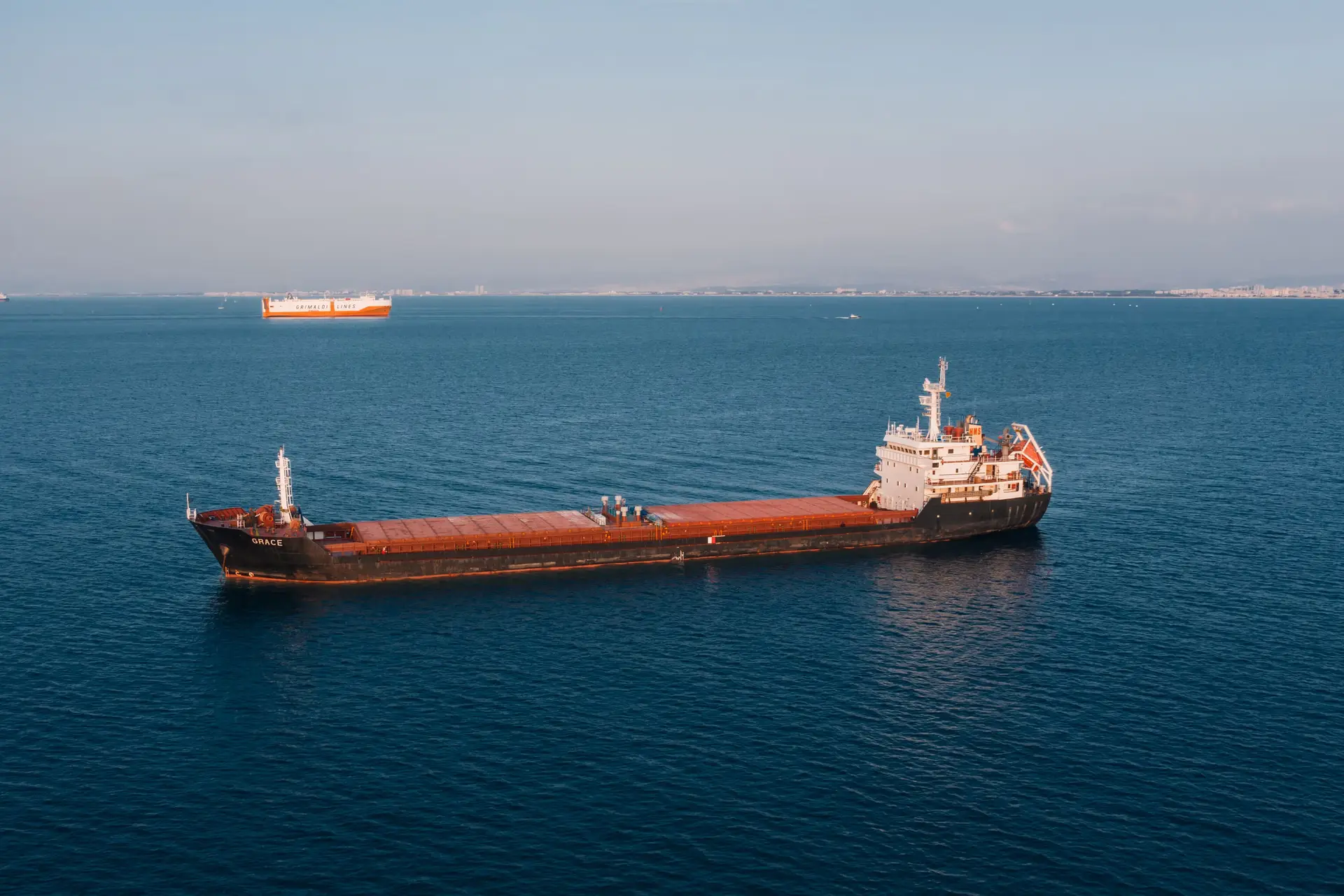
For over a decade, international shipping companies operated under the comfortable assumption that Somali piracy was a closed chapter in modern maritime history. That illusion is rapidly dissipating. Data from the International Maritime Organisation, analysed by the AFP news agency, indicates that the waters off the Horn of Africa are witnessing their most intense period of pirate activity since 2013. At least 15 attacks have been reported this year alone, signaling a sharp reversal for a maritime corridor that had recorded only five incidents in 2025 and barely a handful annually over the preceding decade.
The escalation is particularly acute along the vital arterial route of the Gulf of Aden, which sits between Somalia and Yemen. Eight of the 15 reported attacks occurred in this stretch of water since May. Modern maritime commerce, reliant on predictability and manageable insurance premiums, once again finds itself vulnerable in passages where state authority dissolves into sea spray.
The most dramatic manifestation of this resurgence took place on 21 April, north of Eyl, a coastal settlement in Puntland long associated with maritime extortion. Approximately 30 armed raiders equipped with assault rifles and grenade launchers boarded the Honour 25, a 90-metre oil tanker. The pirates seized control of the vessel and took its 17 crew members hostage. To date, the ship remains firmly in pirate hands, illustrating how swiftly lawlessness can re-establish its commercial infrastructure when regional oversight falters.
This sudden surge in opportunistic sea-banditry does not occur in a vacuum. The broader regional security environment shifted dramatically on 28 February, with the outbreak of armed conflict involving Iran, the United States, and Israel. The resulting disruption to maritime traffic around the crucial Strait of Hormuz forced commercial vessels to adapt, altering transit routes across the Red Sea, the Arabian Sea, and the Indian Ocean within 2,000 kilometres of the Somali coast.
While current incident figures remain well below the historical peak of 2011—when the IMO registered around 200 attacks in a single year—the structural lesson is obvious. Maritime trade relies on secure lanes, and whenever naval deterrence is stretched thin by compounding regional conflicts, local actors off the Horn of Africa quickly calculate the returns on high-seas extortion.
Written by Andreas Hofer andreas.hofer@alpineweekly.com