
Jul 28, 10:01 AM
The Regulator's Shield: Swiss State Defeats Credit Suisse Bondholders in New York
A US federal appeals court has dismissed a $370 million claim over the controversial AT1 bond wipeout, citing sovereign immunity.
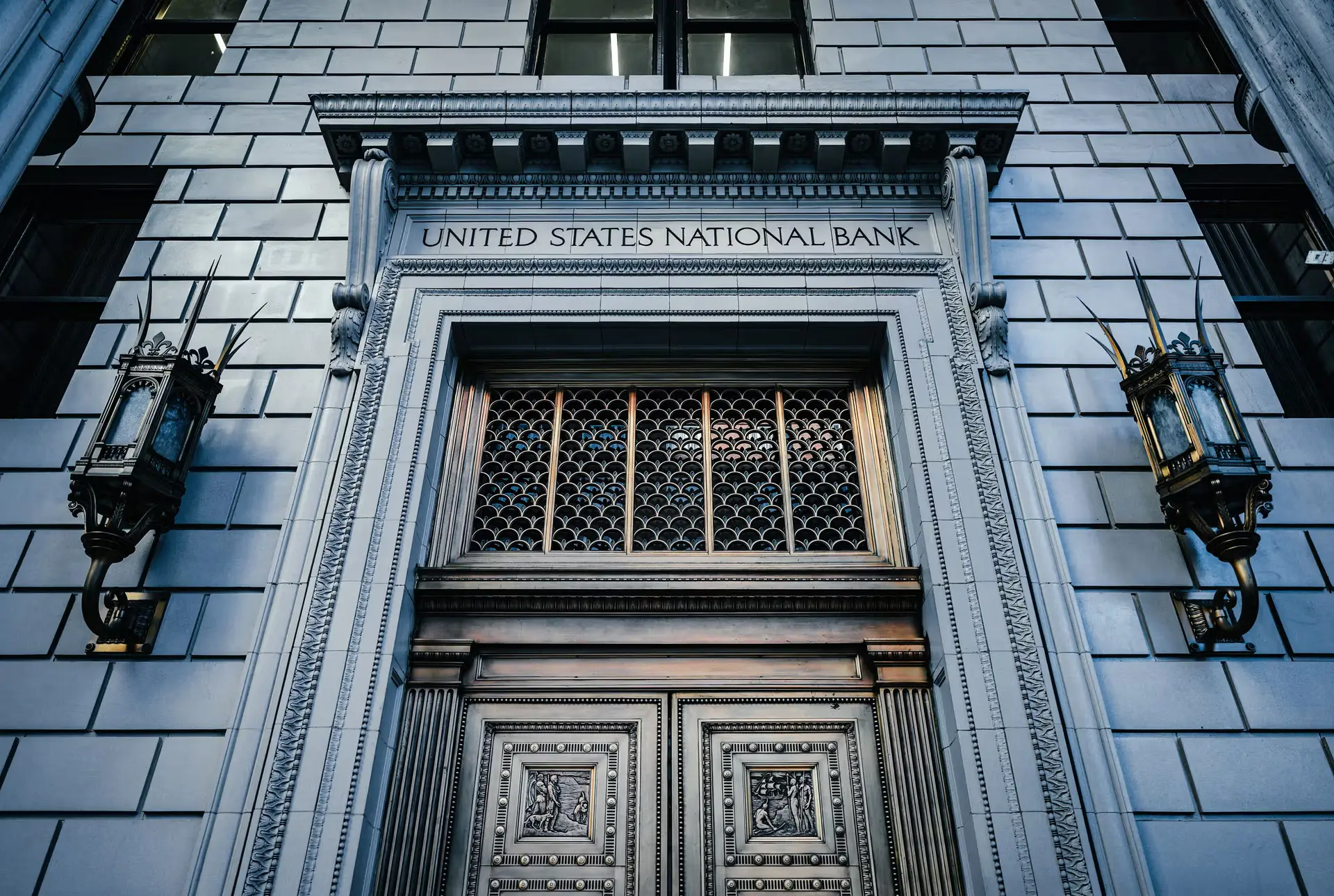
International investors hoping to extract compensation from the Swiss Confederation over the spectacular demise of Credit Suisse have hit a legal brick wall in New York. A United States federal appeals court has firmly shut the door on a lawsuit demanding financial redress for the wipeout of subordinated debt. The ruling confirms that the wealthy Alpine nation, which usually prefers to quietly profit from its non-EU status while projecting an image of administrative competence, cannot be dragged into an American courtroom over its emergency banking interventions.
The dispute centers on a legal action initiated by a group of bondholders seeking approximately $370 million in damages. These investors were caught in the crossfire of the state-orchestrated rescue mission in the spring of 2023, which saw the ailing Credit Suisse swallowed by its historic rival, UBS. The US Court of Appeals upheld a previous district court decision from the autumn of 2025, ruling that Switzerland is protected by sovereign immunity. The judges determined that the Swiss government was acting strictly in its capacity as a financial regulator rather than a commercial market participant when it engineered the controversial debt write-down.
At the heart of this financial drama are Additional Tier 1 bonds, a class of subordinated debt invented in the wake of the 2008 financial crisis. These instruments were explicitly designed to absorb losses and shield taxpayers from the burden of collapsing financial institutions. When the Swiss authorities forced the $17.3 billion write-down of Credit Suisse’s AT1 bonds to zero, they were essentially pulling the emergency lever these instruments were built for. Yet, the sudden realization of this risk prompted outrage among investors who had perhaps grown too comfortable with the generous yields, seemingly ignoring the inherent peril attached to bank capital.
The mid-July ruling, recently brought to public attention by the Aargauer Zeitung, effectively ends this specific avenue of legal recourse for the aggrieved creditors who initially filed their claim in June 2024. By successfully arguing that its actions were regulatory rather than commercial, the Swiss state apparatus demonstrated the formidable defensive capabilities of its legal system. While Switzerland may have lost its traditional neutrality on the geopolitical stage, its defensive maneuvers in global financial litigation remain highly effective. The bondholders are left to absorb the harsh reality that sovereign immunity provides an almost impenetrable shield when a government decides to aggressively restructure its banking sector.
Written by Freya Stensrud freya.stensrud@alpineweekly.com