
Aug 6, 10:02 AM
The Market Retreats from the Black Sea
A surge in military strikes has paralyzed maritime trade off the coast of Odesa, leaving global grain exports stranded.
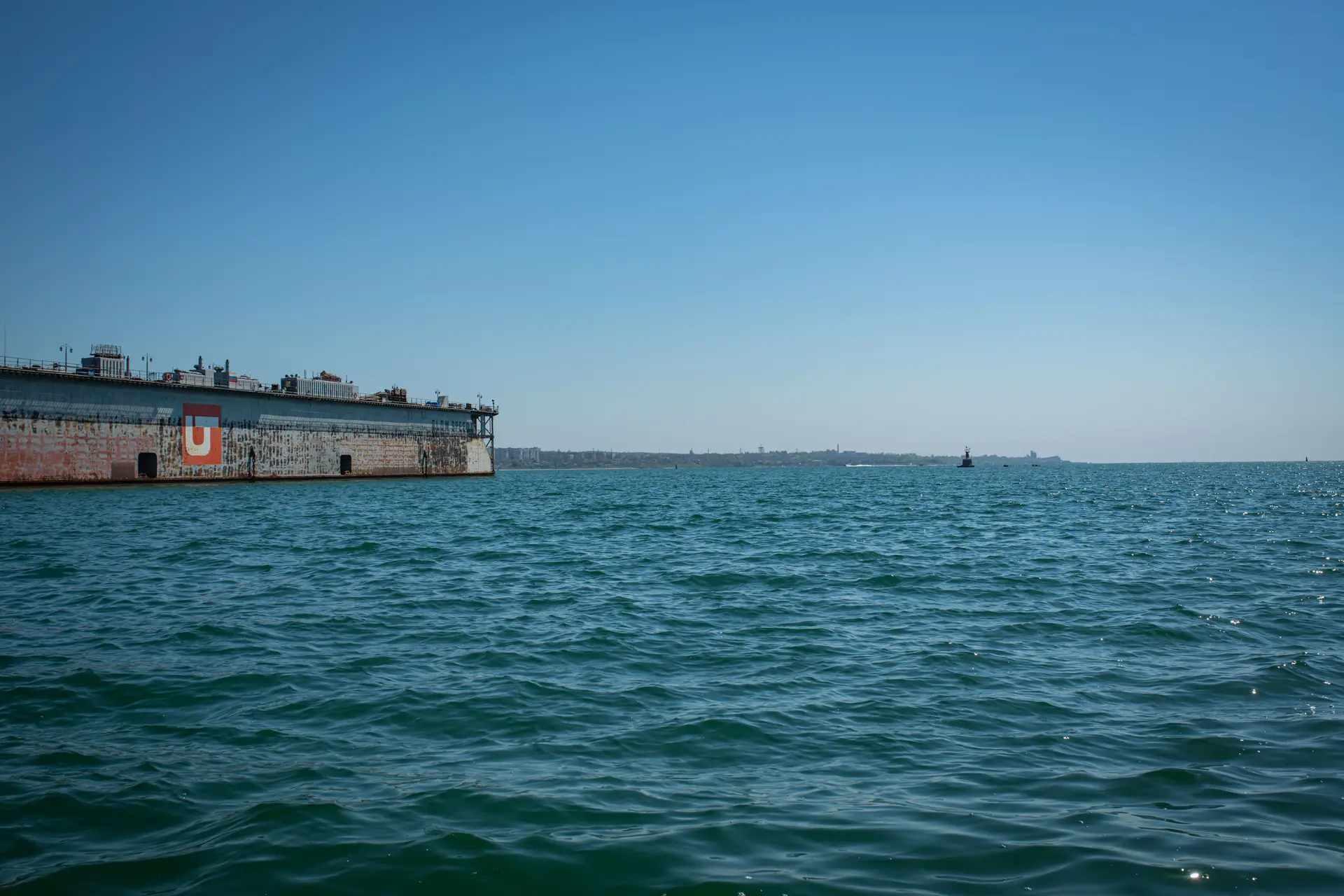
The horizon off the coast of Odesa is currently defined by an absence of commercial traffic. Where freighters once queued for berths at the ports of Odesa, Chornomorsk, and Pivdennyi, the sea lanes are largely empty. The mechanics of global maritime trade have ground to a halt in the Black Sea, driven by a sharp escalation in military strikes against port infrastructure and civilian shipping.
According to the Ukrainian port administration, July recorded 57 strikes on civilian vessels, with 22 occurring at sea, alongside 67 hits on port infrastructure. The global shipping journal Lloyd's List has categorized the Black Sea as the most hazardous environment for commercial shipping worldwide, noting that July marked the highest casualty rate for merchant seamen since the conflict began. The statistical risk translated into actual losses on July 19, when the Turkish-owned cargo vessel Golden Leo was struck by three missiles. The incident resulted in the deaths of nine Indian and Syrian crew members and one Ukrainian pilot, with the ship ultimately sinking off the coast of Odesa a week later.
This maritime paralysis follows the collapse of the UN-brokered Black Sea Grain Initiative in mid-2023. The recent spike in attacks appears to be part of a reciprocal military escalation. According to Andrey Stavnitser, a local port executive, the Russian strikes are a direct response to Ukraine's Operation MoLoChKa, a drone campaign that has reportedly targeted around 200 Russian vessels and halted traffic in the Sea of Azov. The resulting environment leaves dockworkers facing a grim logistical reality. Oleg Grygoriuk of the Marine Transport Workers Union notes that missiles launched from Crimea arrive in approximately one minute, while crane operators require at least three and a half minutes to evacuate to shelters.
The economic consequences of this standoff are highly tangible. Ukraine, traditionally a major supplier of grain and oilseeds, has seen its export capacity fall by a third since the war began. Volodymyr Slavinskyi, trading director for the agricultural exporter Nibulon, estimates that the current shutdown has already prevented the delivery of up to 700,000 metric tons of agricultural products to the global market.
While the commercial ports operate with skeleton crews and face constant air raid interruptions, the local civilian population maintains a surreal detachment. Odesa's beaches remain crowded with domestic tourists, despite the proximity to the strikes and documented casualties from intercepted drone debris. Capital, however, is far more risk-averse than the average holidaymaker. Shipowners have calculated that the cost of doing business in an active conflict zone is currently too high, leaving Ukraine's agricultural wealth trapped in silos while the sea lanes remain quietly empty.
Written by Sandy van Dongen sandy.vandongen@alpineweekly.com