Aug 31, 10:01 PM
The Limits of Prediction Markets: George Santos and the Art of Self-Betting
A lifetime ban for the disgraced former congressman highlights the growing compliance trial facing political betting platforms.
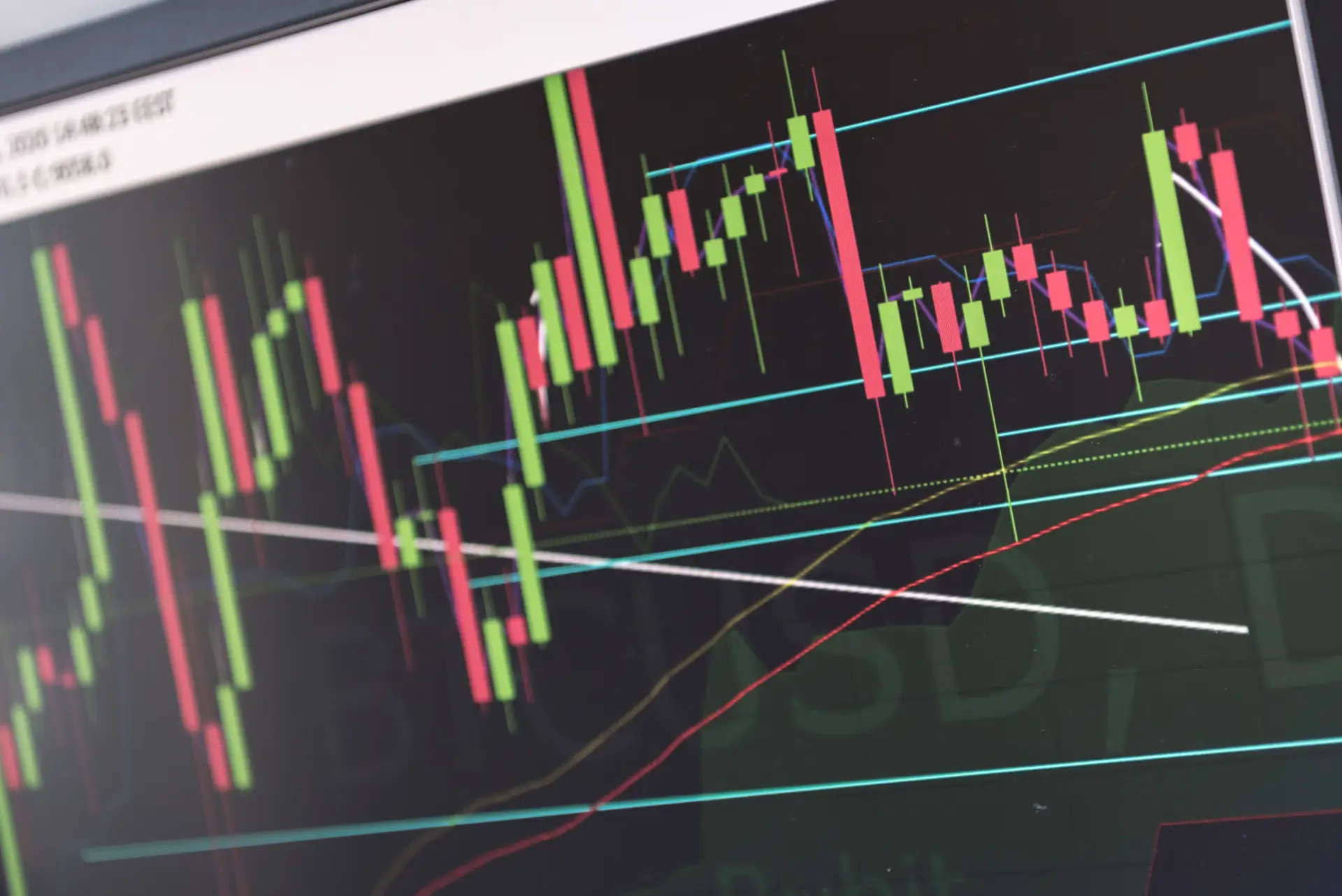
When prediction markets opened their doors to political wagering, regulators naturally fretted over the integrity of market signals. Few, however, anticipated that an early compliance test would involve a former congressman betting on his own physical presence. George Santos, the disgraced former US Representative whose short-lived career in public office collapsed under financial fraud, managed to turn a routine ceremonial event into an exercise in self-interested market manipulation.
The platform in question, Kalshi, decided it had seen enough. After its compliance team flagged suspicious trading activity surrounding Donald Trump's State of the Union address, the company issued a permanent lifetime ban against the former lawmaker. Kalshi concluded that Santos engaged in insider dealing by placing sizeable bets between February 2 and February 25 on whether he would attend the address. By making false or misleading public statements about his attendance plans, he moved contract prices and extracted $17,839.57 in profit.
Kalshi did not wait for external enforcement. Moving independently, the platform issued a $71,356 penalty against Santos and referred his case to federal authorities earlier in the summer. The Commodity Futures Trading Commission had already launched its own federal investigation into the trades, which Santos settled in July by agreeing to pay $35,000. True to form, Santos offered a defiant response on social media, thanking the company for the ban and writing Let's see how much longer you guys are around for.
For Santos, the episode is merely another footnote in a remarkable legal history. The former politician was only the sixth lawmaker in history to be expelled from Congress, having pleaded guilty to wire fraud and aggravated identity theft after stealing the identities of nearly a dozen people, including next of kin. Although sentenced to seven years in prison, he served just three months before President Donald Trump commuted his sentence in 2025.
For prediction platforms like Kalshi and rival Polymarket, the incident carries wider operational implications. As these exchanges attract more users and move closer to mainstream financial acceptance, unusual trading patterns have forced platforms to tighten surveillance systems. If prediction markets hope to convince regulators that they offer genuine economic utility rather than a speculative playground for political insiders, aggressive internal enforcement is an existential requirement.
Written by Martina Kirchner martina.kirchner@alpineweekly.com