Aug 5, 6:01 PM
The Illusion of the Cheap Fare: Jetstar Monetises the Overhead Bin
By charging for basic cabin luggage, airlines are making price transparency a thing of the past while regulators offer little more than bureaucratic theatre.
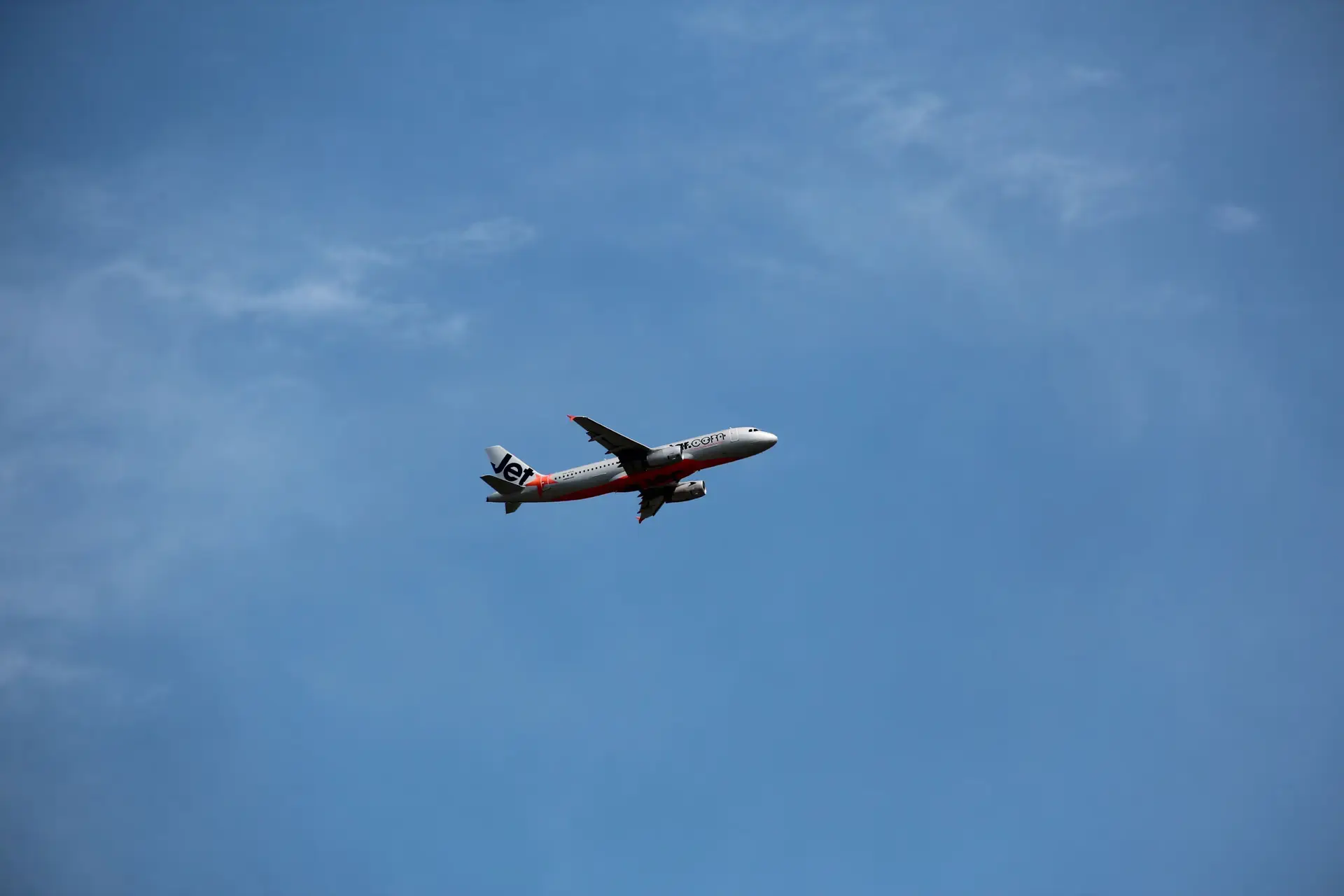
The budget airline ticket is a masterpiece of modern fiction. What appears on the screen as a delightfully cheap getaway is merely the opening bid in a prolonged negotiation over basic human comforts. Jetstar, the low-cost subsidiary of Qantas, is the latest carrier to test passenger endurance by monetising the overhead locker. Starting next year, baseline fares will grant travellers the privilege of bringing a single small item that fits under the seat. Anyone wishing to store a suitcase overhead will face an additional fee, which can exceed $100 on international routes.
In a press release, Jetstar defended the move to a size-based carry-on baggage model, arguing that unbundling services keeps base fares low because you only pay for what you need. This familiar corporate refrain echoes the business models of European budget carriers. Consumer advocates remain unconvinced. Representatives from the consumer group Choice categorise the strategy as a blatant cash extraction exercise, noting passengers are already routinely squeezed for seat selection, cancellation rights, and loyalty program memberships.
The aviation sector has spent the last decade aggressively dismantling the traditional flying experience, selling it back to passengers piece by piece. Carriers now charge for the right to sit next to an empty seat. In a particularly creative display of nickel-and-diming, Canada’s WestJet recently began charging passengers for the ability to recline their chairs. The primary function of these ancillary fees is to obscure the final checkout price. When a base fare strips away the overhead bin, comparing prices across airlines becomes a mathematical headache.
Jetstar occupies a unique position in the Australian market. Aviation analysts point out the airline is not merely a fringe budget option but a crucial component of the broader Qantas network. For destinations like Cairns or the Sunshine Coast, Jetstar is often the default carrier. Treating a captive domestic market to the aggressive fee structures of ultra-low-cost carriers forces passengers into a corner.
Europe offers a grim preview of where this pricing arms race leads. Ryanair, EasyJet, and Eurowings have long charged hefty sums for overhead baggage, with penalties escalating sharply for those who wait to pay at the boarding gate. While US carriers like JetBlue and Southwest still include carry-on bags, the global tide is turning.
Naturally, the European Union attempted to intervene, and the resulting compromise was a masterclass in bureaucratic impotence. The European Parliament initially proposed a rule guaranteeing passengers a free cabin bag, but intense airline lobbying swiftly killed the idea. Instead, the European Council—an opaque institution that reliably prioritises corporate interests while escaping direct democratic accountability—mandated only that airlines display inclusive fares at the start of the booking process. The machine in Brussels created a new regulatory requirement that does nothing to stop the fees. It simply institutionalises the airlines' pricing models under a veneer of consumer protection, generating administrative busywork while passengers still pay for the privilege of bringing a sweater.
Written by Christiane Hofreiter christiane.hofreiter@alpineweekly.com