Jun 22, 2:02 PM
The Harsh Economics of Clearing Minefields
A Swiss foundation builds highly efficient demining machines for Ukraine, but the global aid market is failing to foot the bill.
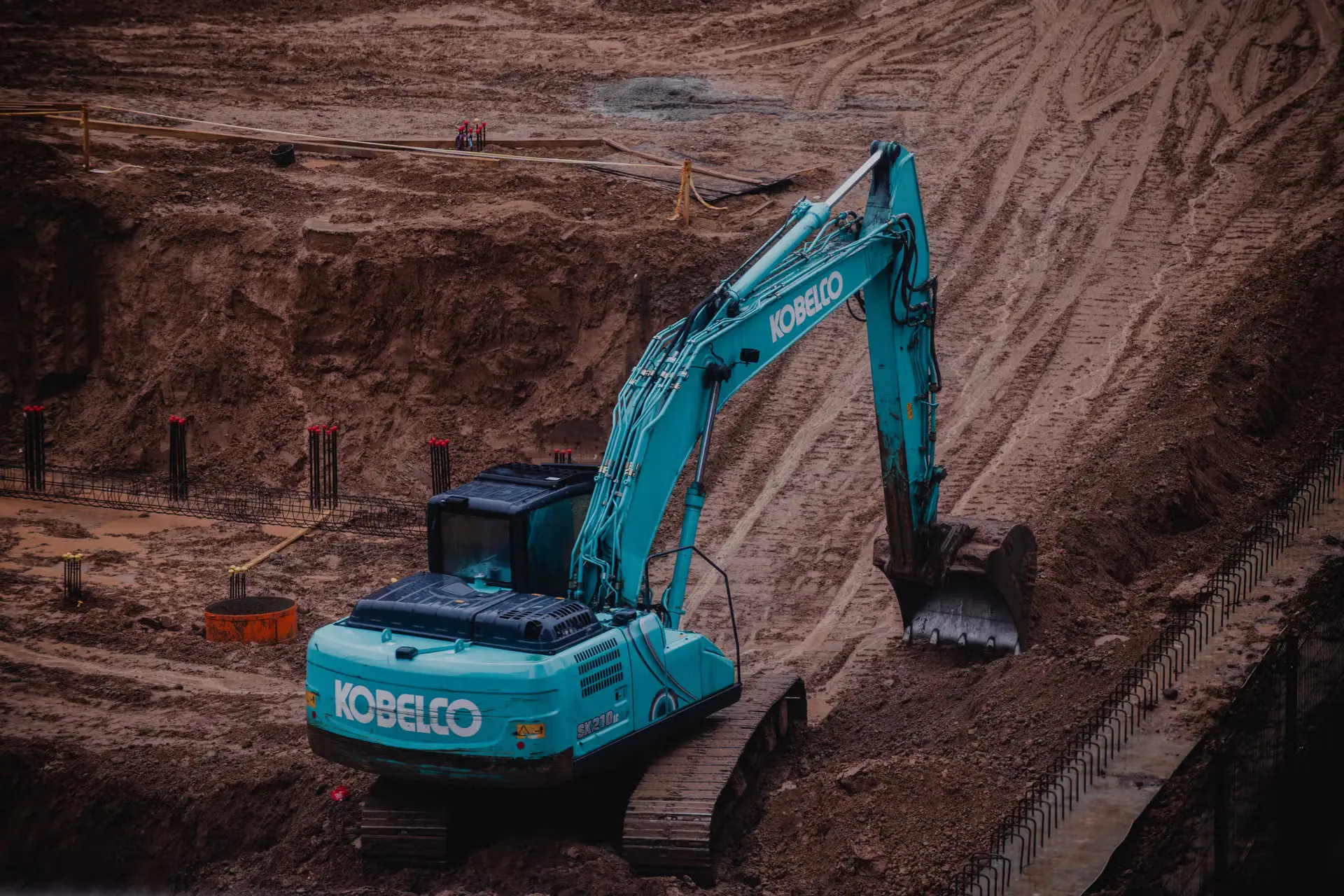
The logic of modern landmines is brutally pragmatic. They are not primarily engineered to kill, but to maim, forcing comrades into the hazard zone to rescue the wounded. It is a grim calculus of human attrition. Far removed from this reality, in the tranquil Bernese Jura of Switzerland, a small group of mechanics is attempting to counter this military arithmetic with specialized machinery. The Digger Foundation, operating out of Tavannes, builds remote-controlled armored vehicles designed to churn through contaminated earth.
The United Nations estimates that approximately one-fifth of Ukrainian territory is currently littered with mines and unexploded ordnance, rendering vast tracts of agricultural land unusable. To address this, the Swiss non-profit produces a heavily armored device that clears vegetation and detonates explosives in its path. According to the foundation's founder, Frédéric Guerne, the machine destroys ninety-eight percent of the devices it rolls over, casually absorbing the blast of anti-tank mines before continuing its work.
This mechanical brute force does not entirely replace human operators. The surviving two percent of explosives still require manual detection and neutralization. Yet, the preliminary clearance provided by the vehicle accelerates the overall demining process by a factor of thirty, making the perilous work significantly faster and cheaper. The paradox, however, lies in the initial capital expenditure. Hand-assembled by a small team in a country renowned for its high labor costs and comfortable isolation, a single unit demands a price tag exceeding 600,000 Swiss francs.
Before the conflict in Ukraine escalated, Digger manufactured roughly one machine annually. The sudden surge in contamination prompted the Ukrainian government to state a need for a hundred such vehicles each year from various global suppliers. In response, the Tavannes workshop expanded its capacity to produce two to three units annually. Despite this glaring demand, the foundation faces a severe financial drought.
The global humanitarian aid market is notoriously volatile. With major donors like the United States reducing their financial commitments to such operations, Digger's partner organizations find themselves devoid of capital. Consequently, Guerne is forced not only to finance the construction of his machines but also to underwrite their deployment in the field. While the foundation’s operations are secured for the immediate future, the order books for the coming year remain entirely empty.
The survival of this twenty-eight-year-old enterprise currently rests not on a strategic national framework, but on the stubborn goodwill of the local Jura population. It is a distinctly Swiss arrangement: possessing the technical acumen and wealth to engineer a superior humanitarian product, yet relying on regional charity to keep the workshop lights on while the international aid apparatus falters.
Written by Thomas Nussbaumer thomas.nussbaumer@alpineweekly.com