Jul 30, 4:04 PM
The Autopsy of an Industry: How Bureaucracy and Complacency Broke German Automakers
Former Volkswagen chief Matthias Müller delivers a scathing indictment of corporate bloat, an overreaching European Union, and a society allergic to hard work.
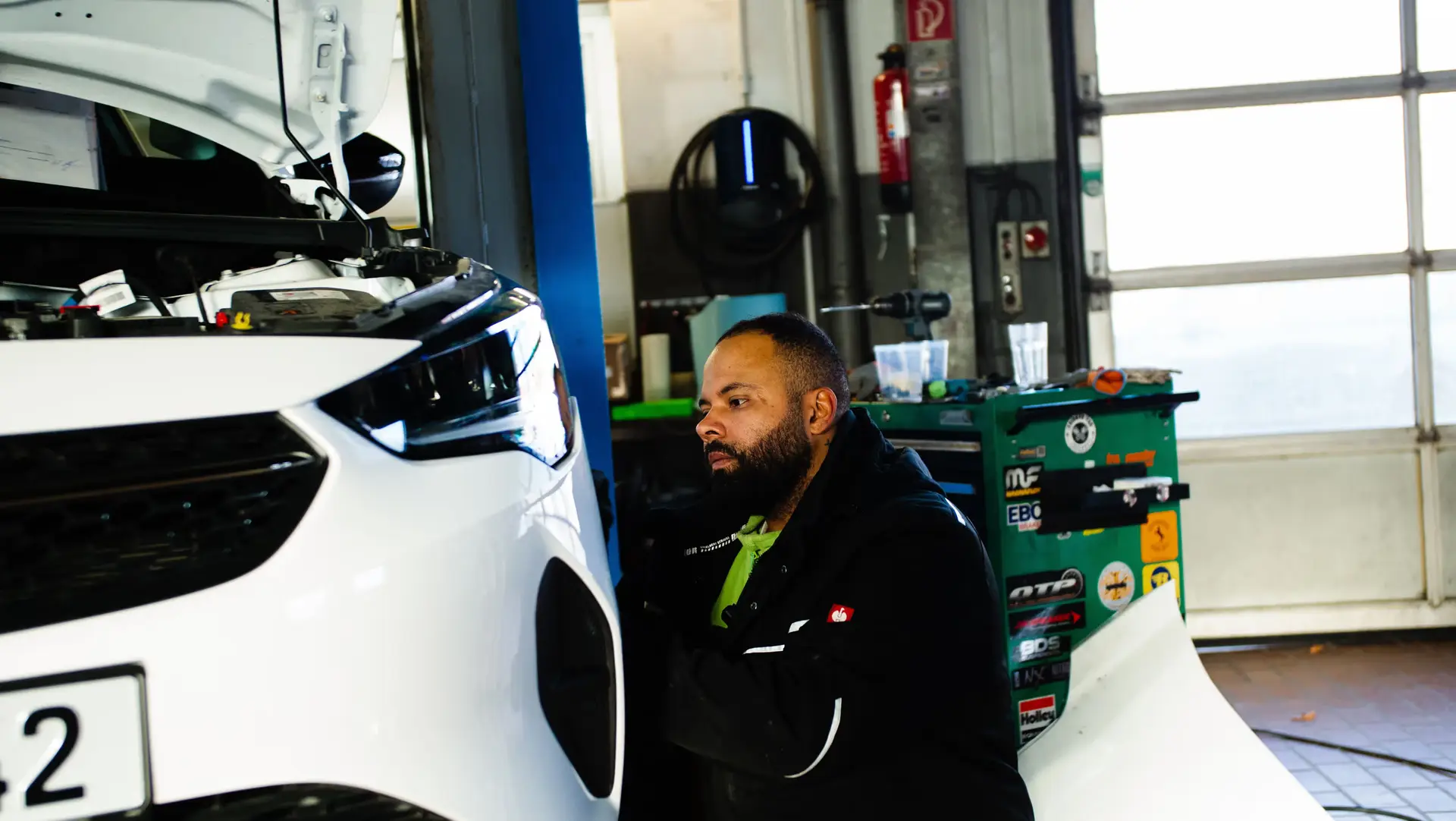
Germany’s automotive sector, once the undisputed engine of European industrial might, is sputtering toward obsolescence. The diagnosis is no longer confined to pessimistic observers; it is now being delivered by the architects of the industry itself. Speaking on NIUS Live, former Volkswagen chief executive Matthias Müller offered a scathing post-mortem of the sector's decline. He distributed blame equally across hesitant corporate boardrooms, an overreaching European bureaucracy, and a society that has seemingly abandoned the concept of hard work.
The corporate missteps are glaring enough. German manufacturers operated under the delusion of an ever-expanding global market, inflating production capacities to entirely unsustainable levels. Management oscillated wildly between electric drivetrains and combustion engines, failing to chart a coherent course for years. The result is a sluggish corporate monolith requiring radical pruning. Surviving aggressive Chinese competition will demand lean hierarchies and a painful elimination of excess capacity that the industry has long desperately avoided.
Corporate ineptitude, however, is merely one pillar of this collapse. The European Union has played a starring role in the continent's rapid deindustrialisation. Since the 2015 diesel emissions scandal, Brussels bureaucrats have dictated industrial policy without possessing the necessary technical competence. The mandated phase-out of the combustion engine stands as a monument to this systemic overreach.
The timeline imposed by the European apparatus blissfully ignored consumer demand, charging infrastructure, and fundamental manufacturing realities. Instead of allowing the market to dictate technological adoption, an unaccountable political machine stripped manufacturers of their agency. Müller warned that replacing this unworkable mandate with another convoluted bureaucratic compromise would only prolong the agony. Customers, not the state, must decide what technology they actually purchase.
At the national level, the political decay is equally palpable. Germany is suffocating under an expansive welfare state that penalises ambition and absolves individuals of personal responsibility. The former executive drew a sharp parallel between the current trajectory of the Federal Republic and the defunct East German state, characterising the pervasive state interference as a modern iteration of the socialist regime, effectively a GDR 2.0. The state attempts to insulate citizens from every conceivable risk, deliberately eroding the work ethic required to sustain national prosperity.
Political leadership offers no salvation from this downward spiral. Chancellor Friedrich Merz, who initially campaigned on promises of economic revitalisation, has proven entirely ineffectual. The necessary reforms have either failed to materialise or have been executed with a half-heartedness typical of a weak political class terrified of confrontation.
Rescuing the remnants of Germany’s industrial base requires a ruthless dismantling of the current consensus. Corporations must slash their bloated structures, the European Union must retract its suffocating regulations, and society must rediscover that economic survival requires actual effort.
Written by Martina Kirchner martina.kirchner@alpineweekly.com