Aug 24, 6:03 PM
Sunsetting the Subsidies: Britain's Welink Goes Bust in Portugal's Solar Capital
The insolvency of the country's largest solar farm exposes the harsh market realities of the Iberian renewable energy boom.
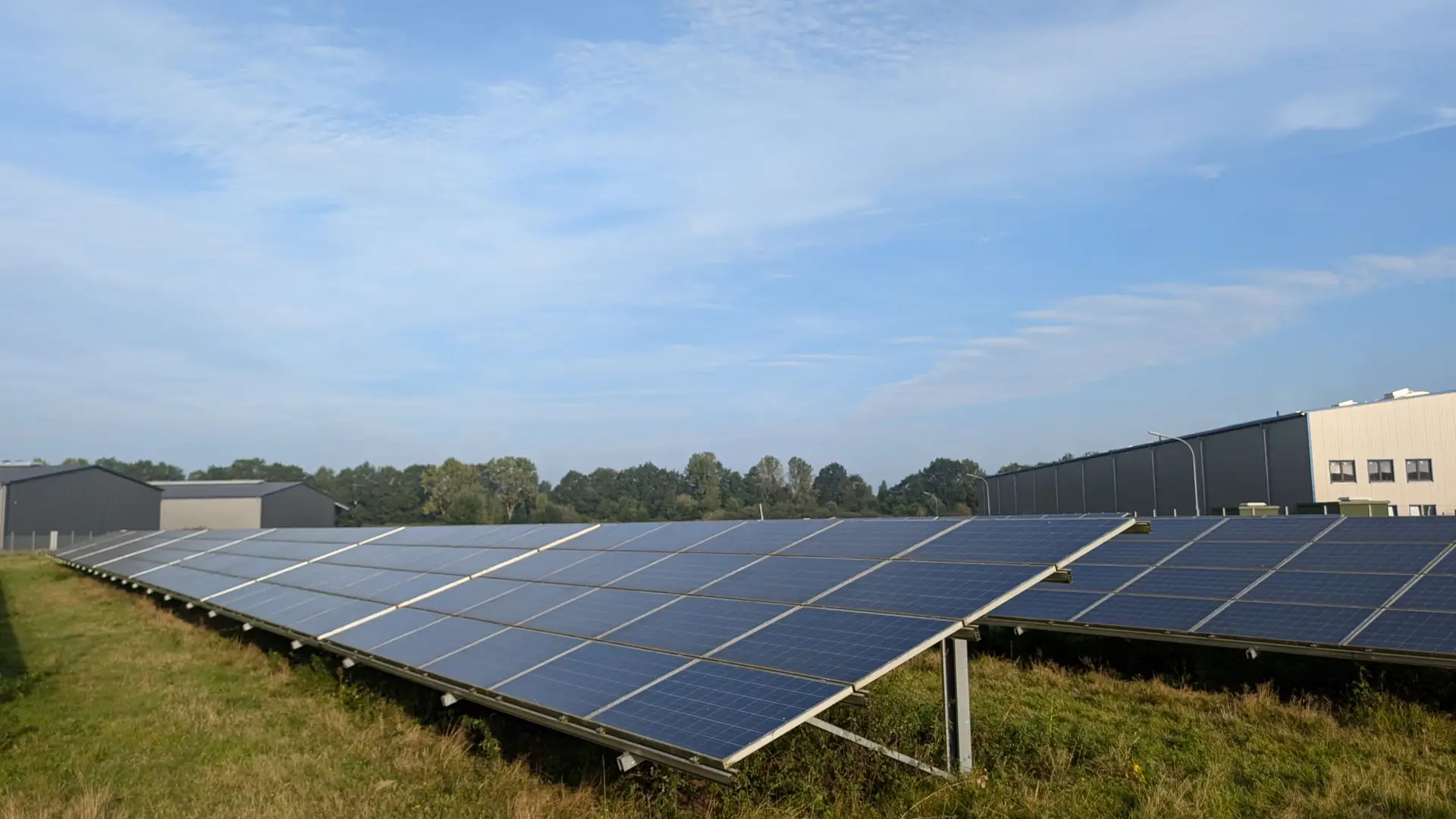
Basking in the relentless sun of the Algarve, the Solara4 plant was supposed to be a crown jewel of Iberian renewable energy. Instead, the sprawling 219-megawatt installation in Alcoutim has become a monument to the perils of poor market forecasting and operational mismanagement. Its British owner, Welink Energy Portugal 2 UK, has formally entered insolvency proceedings, leaving the future of Portugal’s largest solar power plant hanging in the balance.
The collapse, detailed in a recent report by consultancy BDO, is hardly a sudden shock. Inaugurated in 2021, Solara4 has been plagued by a cascade of technical and commercial failures. The core issue is one of basic economics, a discipline often ignored during the initial rush of green investment.
The Iberian energy market has seen a massive surge in solar generation capacity over the past few years. As supply skyrocketed, wholesale electricity prices predictably plummeted, occasionally dipping into negative territory. Welink simply failed to generate the cash flow required to keep its operations afloat, discovering the hard way that abundant sunshine does not automatically translate into abundant revenue when every competitor is generating power at exactly the same time.
Operational incompetence compounded the financial miscalculations. The facility has suffered from fires and various technical malfunctions since its launch. Adding to the distress, the British firm found itself locked in bitter disputes with its lead contractor, China Triumph International Engineering. The involvement of a Chinese state-owned industrial conglomerate in critical European energy infrastructure frequently brings complications, and in this case, it appears to have severely hampered the plant's viability.
Desperate to salvage the project, Welink attempted a massive strategic pivot in 2024. The company drafted a €400 million investment plan to hybridise the site, proposing the addition of 50 megawatts of solar capacity, a 100-megawatt battery energy storage system, and 264 megawatts of wind power generated by 40 turbines. The goal was to push total capacity past 600 megawatts and ensure uninterrupted electricity production, bypassing the inherent intermittency of solar power.
Naturally, this grand vision collided with the realities of environmental bureaucracy. The Portuguese Environment Agency issued an unfavourable assessment, ruling that the proposed wind turbines were incompatible with local ecological preservation. Welink was forced back to the drawing board, slashing the number of planned turbines by nearly half. The revised proposal was submitted for public consultation, but the regulatory body has yet to issue a definitive ruling, leaving the expansion in regulatory limbo.
Now, the insolvency process dictates a search for new buyers. Solara4 had already been shopped around before the bankruptcy filing, and the priority remains offloading the distressed asset to investors with deeper pockets and sharper operational acumen. Portugal’s broader economy continues to grow robustly, and its geographic advantages ensure it remains a highly attractive hub for global energy capital. The failure of Solara4 is not an indictment of the Portuguese renewable sector, but rather a harsh lesson in market mechanics: even in a booming industry, inefficient operators will inevitably be burned by the sun.
Written by Martina Kirchner martina.kirchner@alpineweekly.com