Aug 27, 2:02 PM
Subsidizing Sovereignty: Europe’s 900-Million-Euro Rocket Experiment
The European Space Agency opens its coffers to private startups in a bid to end foreign launch reliance.
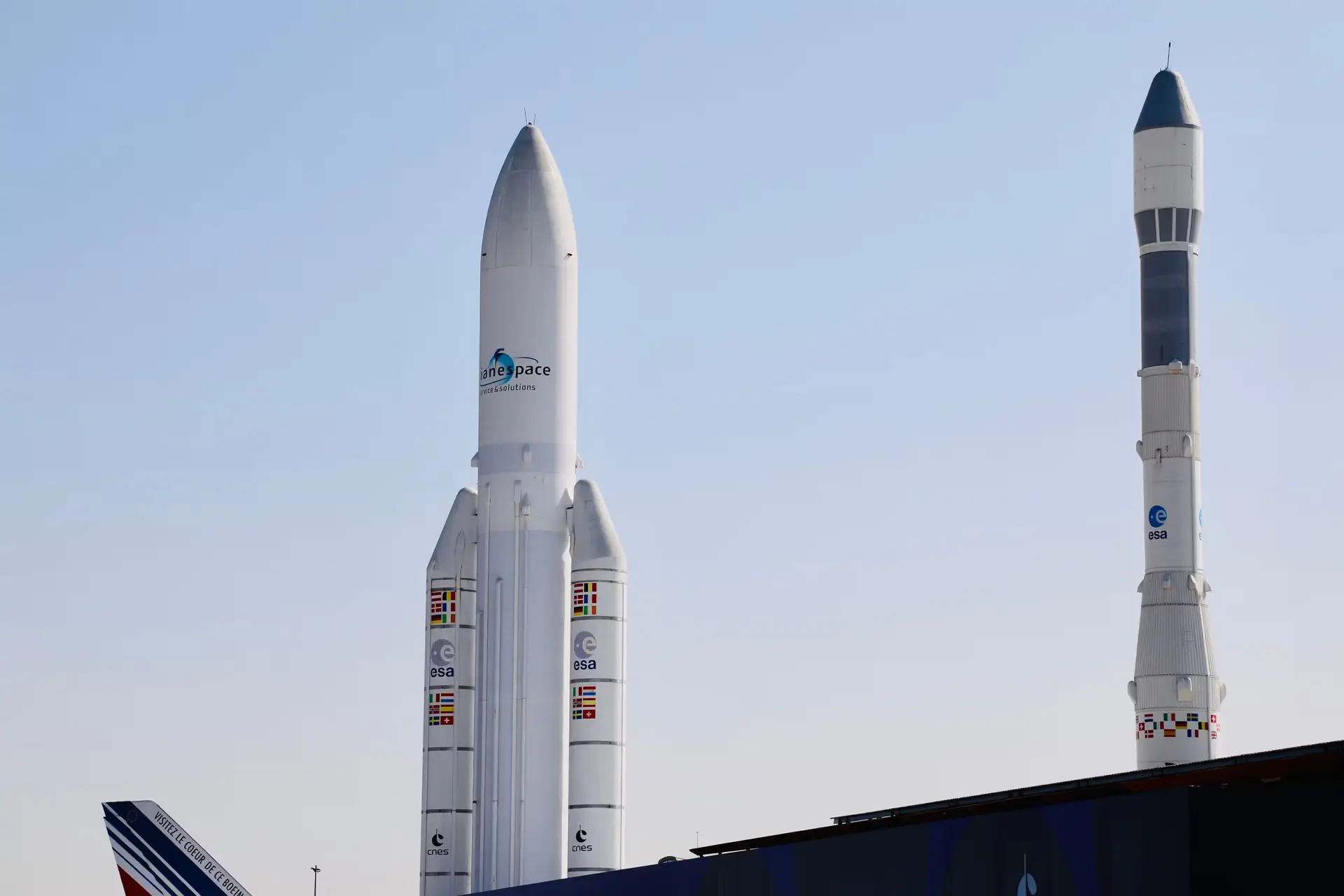
European space ambition is once again taking the predictable path of heavy state subsidies. Realizing that dependence on foreign operators for satellite launches leaves the continent stranded, the European Space Agency has turned to throwing hundreds of millions of public euros at private firms. Under the European Launcher Challenge, initiated in 2023 to secure a successor to Ariane 6 before 2030 and break reliance on any single operator, institutional Europe is dispensing capital to buy back lost autonomy.
The newest transaction features Spanish outfit PLD Space, an Elche-based firm that flew a suborbital test rocket, MIURA 1, in 2023. Under its fresh 158.9 million euro contract, funded mainly by Spain alongside German support, PLD Space is tasked with accelerating its MIURA 5 orbital rocket toward a higher launch cadence by 2030. The agreement also funds upgrades for heavier payloads and propulsive landing systems, intended to transfer critical technology to a future heavy-lift launcher named MIURA Next. The cash arrives on top of 42 million euros already allocated to the company via Spain's national Aerospace PERTE scheme through CDTI. Evaluating the decision, Ezequiel Sánchez, executive chairman of PLD Space, stated that ESA's selection of PLD Space confirms the maturity of the roadmap we have been building for years.
Yet PLD Space is merely one cog in an increasingly lavish institutional spending exercise. After shortlisting five finalists from twelve European proposals in July 2025—a group completed by MaiaSpace and Orbex—ESA distributed nearly half a billion euros to German contenders as well. Isar Aerospace secured 197.8 million euros for its Spectrum vehicle, while Rocket Factory Augsburg received 186.9 million euros to operate its RFA One rocket out of SaxaVord in Scotland.
This financial push follows a November 2025 ministerial meeting in Bremen, where member states expanded their total funding commitment for the challenge to 900 million euros. Whether allocating nearly a billion euros in public capital across competing private ventures will actually break Europe’s space dependence—or simply subsidize corporate development schedules under the guise of strategic sovereignty—is a question taxpayers might well ask as 2030 approaches.
Written by Thomas Nussbaumer thomas.nussbaumer@alpineweekly.com