Nov 4, 7:00 AM
SBB and ETH Zurich Test Remote-Controlled Maintenance Robot for Gotthard Base Tunnel
The trial in Biasca aims to reduce logistics and facilitate routine repairs in the 57-kilometer railway tunnel.
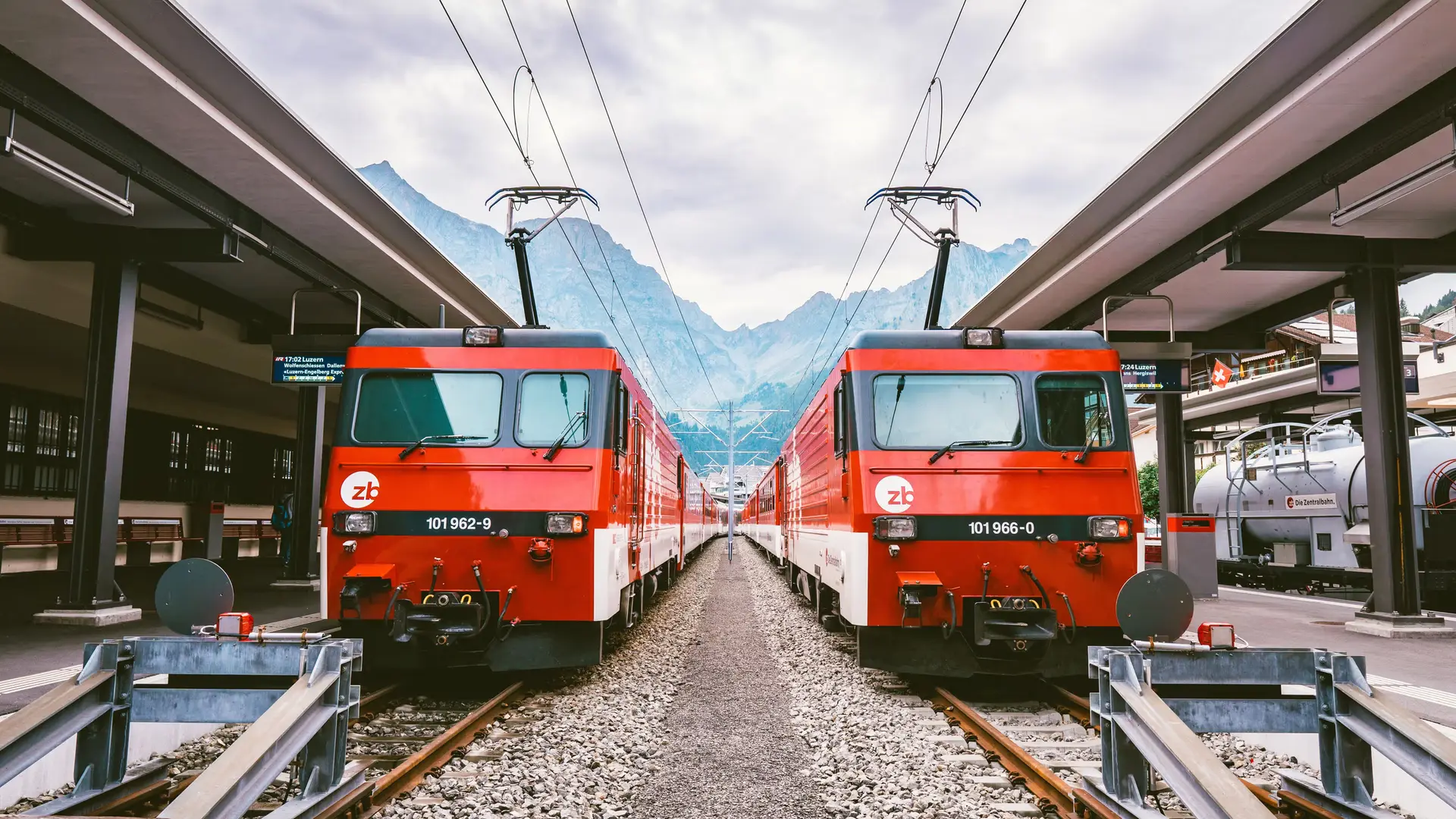
Swiss Federal Railways and researchers from ETH Zurich have demonstrated a remote-controlled quadruped robot designed for maintenance operations inside the 57-kilometer Gotthard Base Tunnel. The demonstration took place at the rail operator's maintenance and intervention center in Biasca, where the prototype successfully operated toggle switches and opened metal doors in simulated tunnel conditions.
Maintenance work in the world's longest railway tunnel faces significant physical and operational constraints, including high temperatures, heavy dust, and dense train schedules. Consequently, routine interventions are largely restricted to overnight windows between Saturday and Sunday. According to project leaders, aging tunnel infrastructure is increasing the volume of required maintenance, driving the search for automated solutions to reduce logistical overhead.
Under the proposed operational concept, robots would be permanently stationed inside the tunnel infrastructure. Remote operators could then activate the devices to inspect components or perform small repairs up to 30 kilometers inside the mountain without dispatching maintenance teams. SBB project lead Alberto Bombelli stated that remote robotic interventions could also allow minor repairs to take place during regular weekday train operations.
The prototype unit costs approximately 250,000 Swiss francs, a figure that includes ongoing development to adapt the system for the tunnel environment. While similar quadruped robots are currently deployed on offshore oil platforms, project co-leader Vaishakh Patil of ETH Zurich noted that those units are primarily limited to monitoring and diagnostic tasks. The Gotthard project requires the adaptation of visual sensors to difficult lighting conditions and the refinement of physical manipulation capabilities.
The robot is steered by a human operator using a joystick for spatial movement and a mechanical control arm for delicate handling. Bombelli emphasized that the system is designed to support technicians rather than replace human workers, noting that technical expertise remains essential for evaluating and resolving complex equipment failures. Development work is currently focused on improving the machine's fine motor controls before operational deployment.
Written by Andreas Hofer andreas.hofer@alpineweekly.com