Nov 21, 7:01 AM
Morocco Launches €366 Million Plan to Establish Domestic Defence Industry
Rabat aims to cover 40 percent of its security needs locally and boost arms exports by 2035.
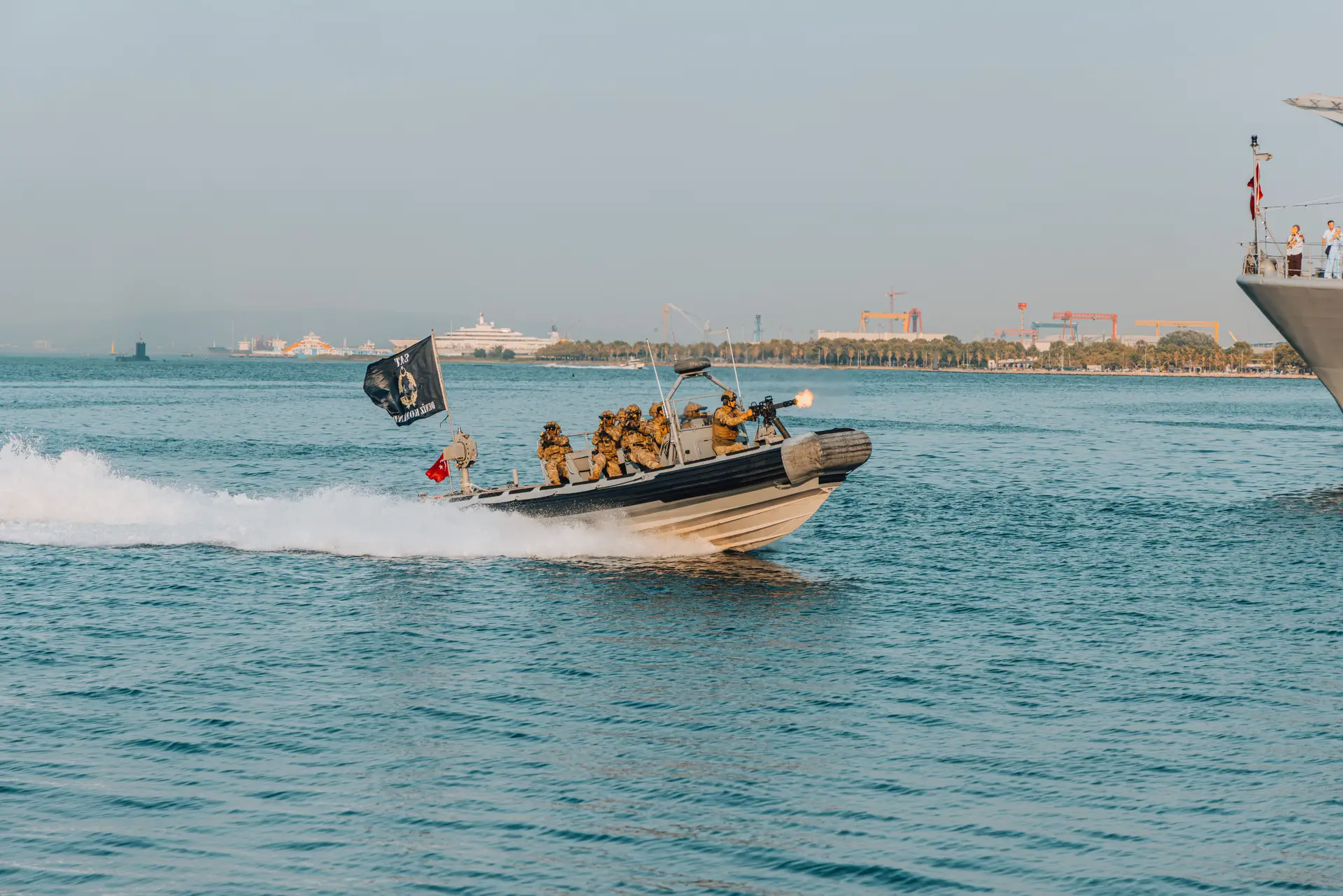
Moroccan King Mohammed VI has approved an allocation of 4 billion dirhams (€366 million) from the Hassan II Fund for Economic and Social Development to establish a national defence industry roadmap. The initiative, announced by the Royal Cabinet, sets out plans to build a domestic military manufacturing sector by 2035.
According to official targets, the roadmap aims to create approximately 50,000 direct and indirect jobs and supply 40 percent of the equipment requirements for the Royal Armed Forces and domestic security services. The strategy also foresees generating more than 65 percent of total sector revenues through foreign exports. To oversee implementation and support investors, the government will establish a strategic defence agency alongside a state-backed industrial holding company to organise the production ecosystem and mobilize capital.
Manufacturing will be expanded across dedicated industrial zones, with new sites planned in Ben Guerir and Benslimane to complement existing facilities in Nouaceur and Sidi Yahya. The production focus encompasses drones and autonomous systems, land and naval equipment, defence electronics, cybersecurity, artificial intelligence, and dual-use technologies. The strategy seeks to build upon Morocco's established industrial capacity in the automotive, aviation, and electronics sectors. Data from the Stockholm International Peace Research Institute shows that Morocco has historically ranked among Africa's primary importers of major conventional weapons.
To support initial development, Morocco has secured partnerships with foreign defence entities. Indian firm Tata Advanced Systems is collaborating on the production of WhAP 8x8 armoured vehicles in Berrechid, with plans to progressively raise the proportion of locally manufactured components. Local manufacturer MMI currently produces military turrets and remotely controlled weapon systems. Additionally, the United Arab Emirates-based EDGE Group signed two agreements during the Marrakech Air Show in October, covering local manufacturing studies for small arms and aircraft engines as well as the supply of Desert Sting 16 and Thunder P-31 guided munitions for Moroccan unmanned combat aircraft.
As part of the initiative, the monarch instructed authorities to create a specialised academy to train local workforce talent in cooperation with industrial partners. The educational framework will draw on domestic and international military and civilian experts, while vocational training programmes will be adjusted to focus on engineering, electronics, and digital skills required by the defence sector.
Written by Martina Kirchner martina.kirchner@alpineweekly.com