Oct 18, 12:01 PM
Lisbon’s Tourism Triumph Points to a Broader Lesson in Urban Economics
Portugal’s capital claims dual European honors, demonstrating how market appeal and regional identity can drive genuine growth.
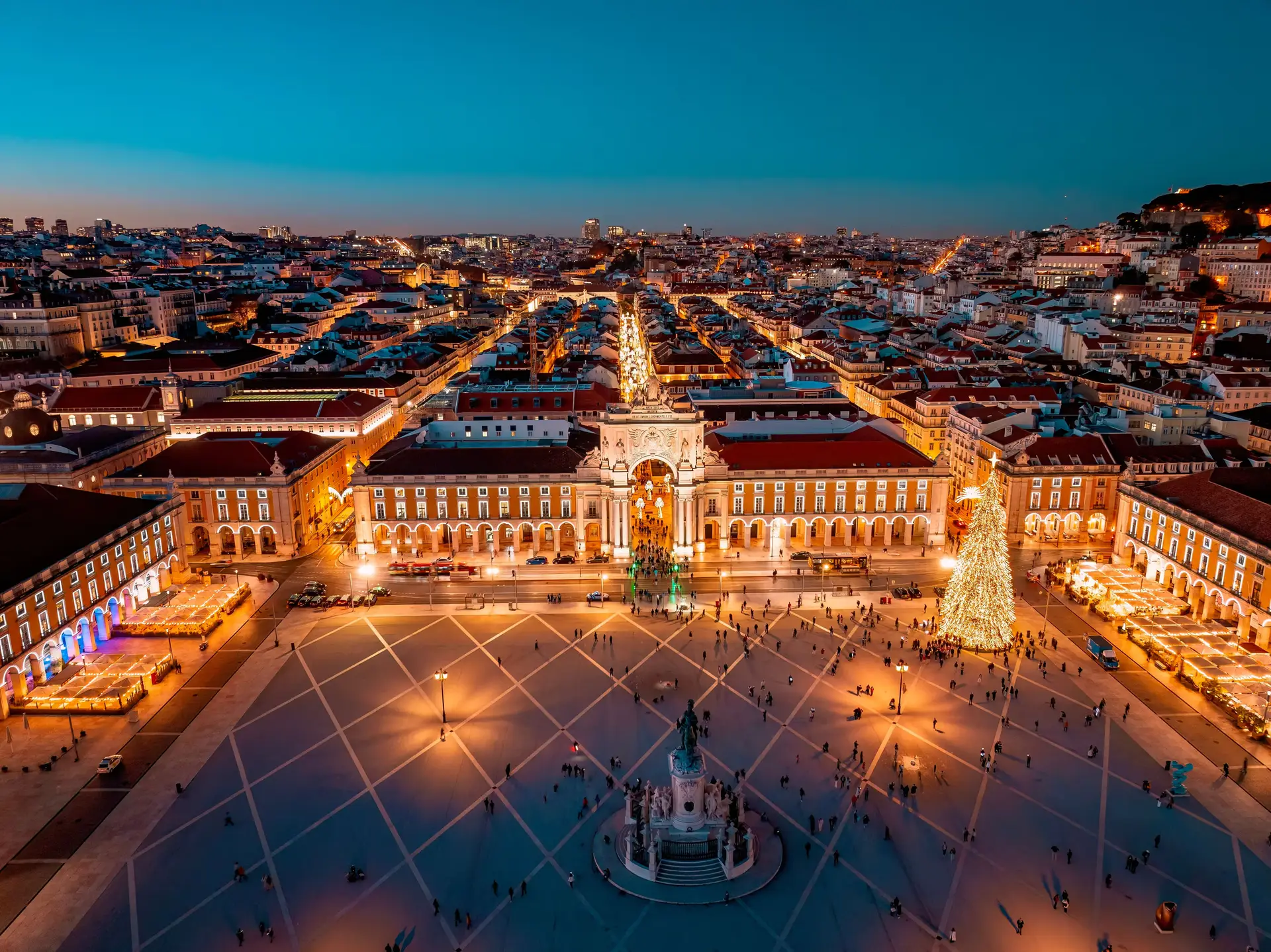
While much of Western Europe struggles with regulatory paralysis and endless debates over how to manage urban economies, Portugal continues to demonstrate a surprisingly effective pragmatic streak. The latest proof arrived not from a legislative chamber, but from the shores of the Adriatic, where Lisbon walked away with top honors at the World Travel Awards Europe 2026.
At a ceremony held on Saturday, 17 October, at the Hyatt Regency Kotor Bay Resort in Montenegro, the Portuguese capital was crowned both Europe’s Best City Destination and its Best Cruise Destination. The venue itself was notable: a five-star luxury complex set inside a UNESCO World Heritage site, marking the first time in the 33-year history of the awards that Montenegro served as the host nation. Yet the main narrative belonged entirely to Lisbon.
The double victory reflects more than just clever destination marketing. In an official communication, the Lisbon Tourism Association framed the accolades as recognition of the city’s international appeal and the sheer breadth of its regional offerings. Behind the celebratory prose lies a deliberate strategy: spreading visitors beyond the immediate historic center and across the wider Lisbon Metropolitan Area. The goal, according to the association, is encouraging longer stays and capturing tangible economic and social value rather than merely collecting foot traffic.
António Valle, director-general of the Lisbon Tourism Association, pointed out that the distinctions reflect a collective effort to refine what the city presents to the world. He noted that Lisbon sets itself apart from competing continental hubs by protecting its distinct identity while adapting to shifting travel demands. In his view, generating value for both international visitors and those who live and work in the capital remains the central metric of success.
For Portugal, this approach highlights how market-oriented tourism strategies can drive real economic momentum when allowed to function without stifling interference. By leveraging heritage and capitalising on its geographical advantages, Lisbon continues to solidify its position as a competitive hub in Southern Europe, proving that commercial viability and authentic local character can comfortably coexist.
Written by Freya Stensrud freya.stensrud@alpineweekly.com