Oct 24, 8:01 PM
India’s Prescription for Margins
Facing judicial condemnation over excessive pharmaceutical mark-ups, New Delhi caps distributor profits on cancer treatments.
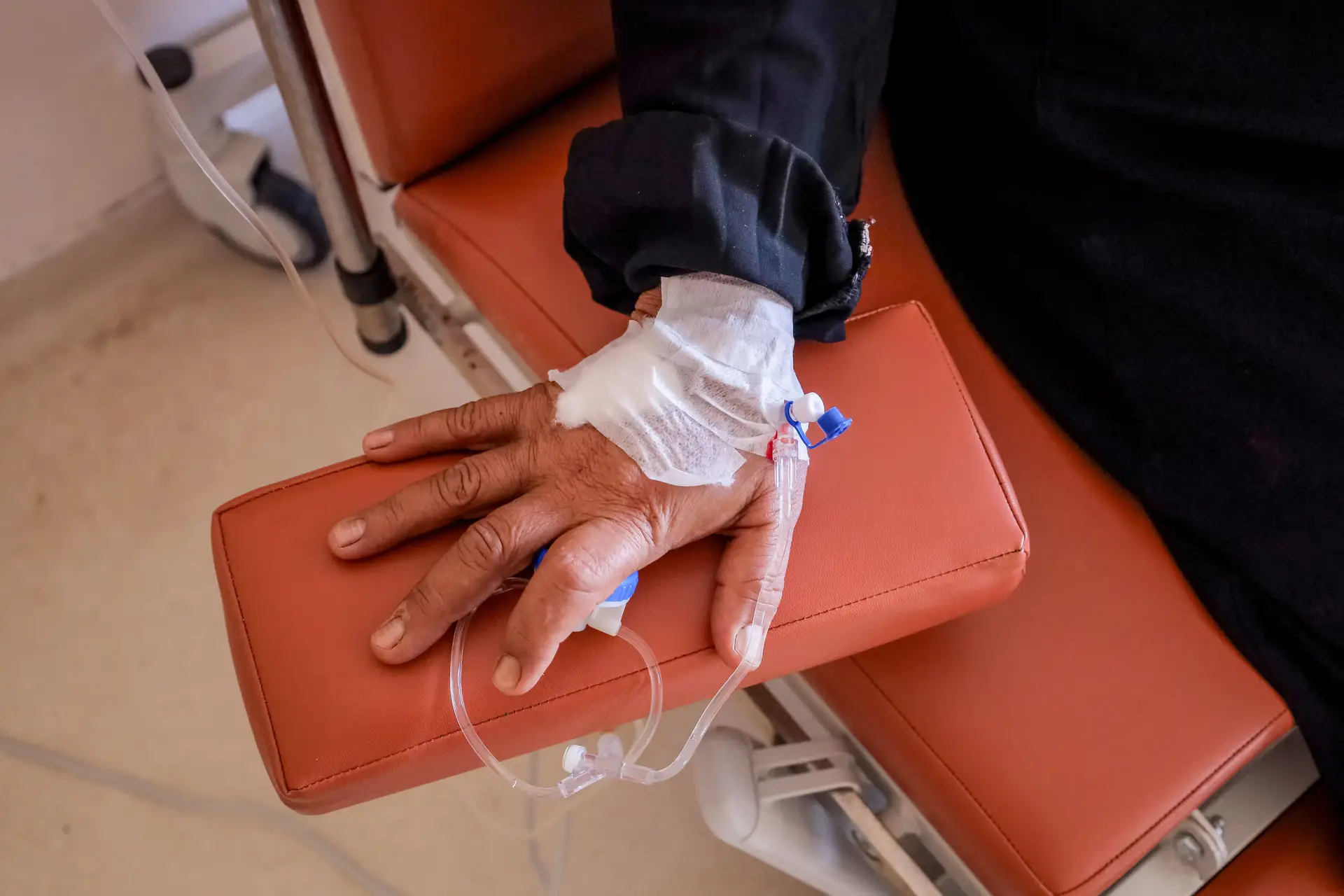
When a life-saving pharmaceutical product moves from a distributor to a hospital at 2,700 rupees, only to be billed to a dying patient at 27,000 rupees, the concept of trade margin loses its economic justification. In India, where healthcare spending drives roughly 55 million citizens below the poverty line every year, such price mark-ups have long functioned less like free-market pricing and more like predatory extraction.
Under direct pressure from the Supreme Court, the Indian government has finally moved to curb these excesses. The Department of Pharmaceuticals announced a 30 percent cap on trade margins across 137 cancer drugs. Official projections suggest this single regulatory intervention could slice retail prices by up to 70 percent. According to an official statement from the Department of Pharmaceuticals, “The measure is expected to reduce medicine prices by up to 70% and help cancer patients save 2,500 crore rupees annually, significantly reducing the amount they pay from their own pockets.”
The intervention follows an investigation by the National Pharmaceutical Pricing Authority, which revealed that middleman mark-ups on oncological treatments averaged 170 percent, with extreme cases exceeding 700 percent. During judicial proceedings, Justices Vikram Nath and Sandeep Mehta openly characterized the pricing practices of hospitals, distributors, and chemists as extortion and carnage. A previous 30 percent margin limit applied to just 42 drugs, leaving the broader market unmonitored and allowing healthcare providers to extract outsized margins from desperate families.
For India’s expanding middle and lower classes, facing a cancer diagnosis—now rising at 1.56 million new cases annually—has routinely meant choosing between bankruptcy and abandonment of care. Cancer therapies range from 38,000 to 380,000 rupees, costs that completely dwarf private household budgets. Even state intervention displays stark limitations: the government insurance program, Ayushman Bharat, caps annual family coverage at 500,000 rupees. That entire annual allowance fails to cover even two doses of Kadcyla, a breast cancer drug requiring up to 14 doses.
The legal push that forced this policy shift began not in government ministries, but with Sarojam Radhakrishnan, a retired bank employee in Kerala diagnosed with breast cancer in 2021. Unable to afford monthly treatment bills exceeding 63,000 rupees, she petitioned the Kerala High Court in 2022. Radhakrishnan passed away later that year while her petition was still pending, but the case escalated to the highest court in New Delhi.
Whether capping margins solves a structural collapse remains questionable. Civil society observers caution that hospitals may simply offset reduced drug margins by raising service fees and non-pharmaceutical charges. Meanwhile, the Supreme Court has ordered the government to justify by October 27 why these price caps should be restricted to cancer medications rather than applied to all non-patented drugs.
Written by Freya Stensrud freya.stensrud@alpineweekly.com