Oct 18, 12:00 PM
High Inflation, Higher Decibels: The Lucrative Business of Afrohype
When megastars became too expensive for local clubs, West African venues turned to vocal energizers—and spawned a booming industry.
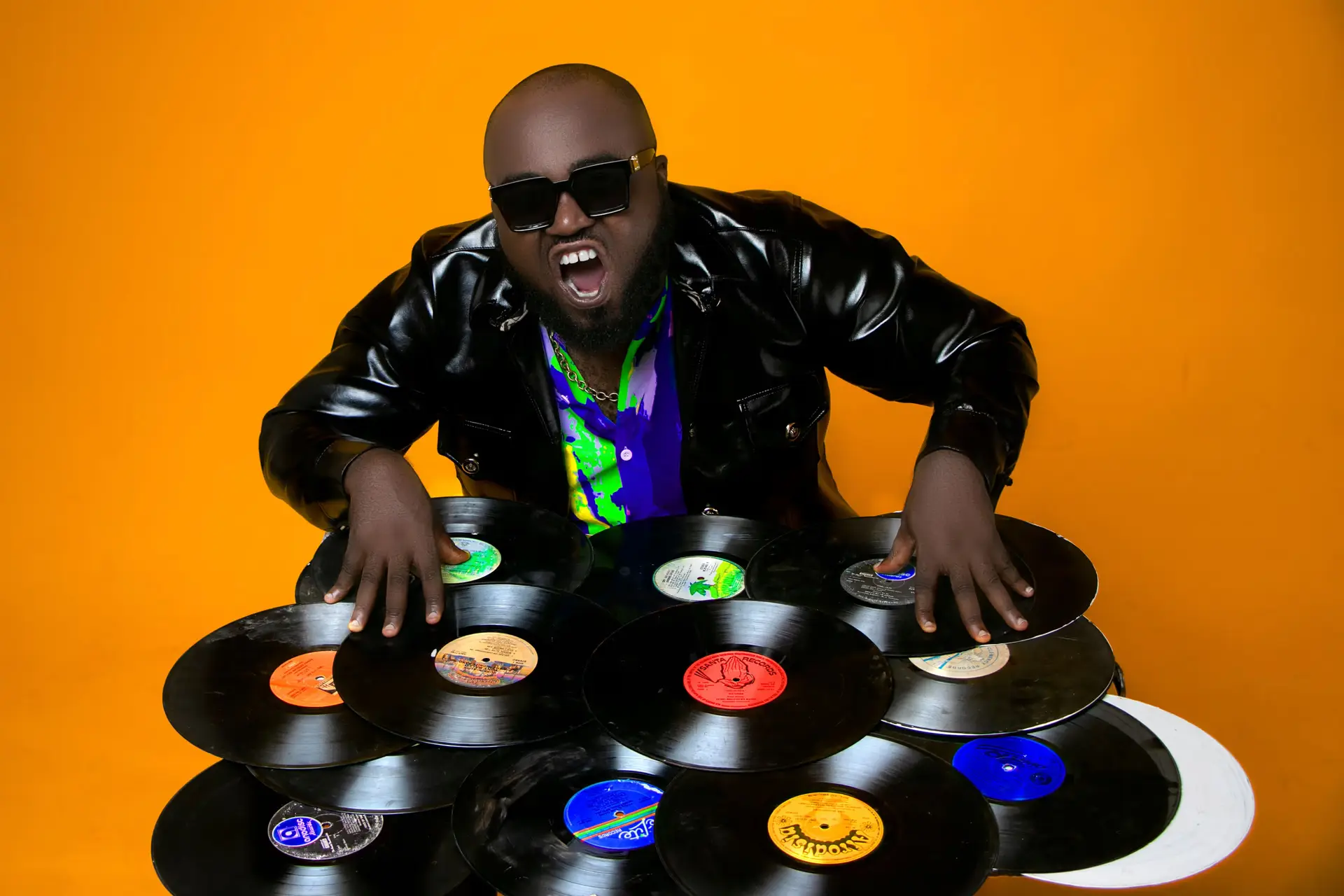
Nightclubs across West Africa face a distinct modern dilemma: patrons are too busy staring at their smartphones or flaunting Birkin bags to actually dance. The market’s solution to this paralysis is as noisy as it is commercially brilliant. Enter the Afrohype artists—a class of performers who neither sing nor rap in the traditional sense, yet command up to 8 million naira (£4,550) for less than an hour of shouting ad-libs over recycled beats.
When post-pandemic booking fees for top Afrobeats stars priced average nightlife promoters out of the market, venue operators pivoted. What was once dismissed as glorified voiceover work has metastasized into a lucrative sub-genre known as Afrohype or lamba. Performers like Toby Shang, a 32-year-old history graduate from the University of Lagos who built his brand off infectious catchphrases and university raves, now run training academies and headline events. The economic mechanics are straightforward: play popular instrumentals—such as Dorime, a Nigerian reimagining of Era’s 1996 track Ameno—and unleash a barrage of high-energy vocalizations designed to prompt patrons into spraying cash.
This monetization of vocal energy is hardly an invention of the digital age. The practice draws directly from centuries-old West African griot traditions, transatlantic sacred folk music, and the Congolese atalaku style that emerged in 1980s Kinshasa. The term itself translates from Kikongo as 'look here, look at me,' a vocal tradition famously harnessed by Congolese rumba leaders Koffi Olomide and Awilo Longomba. From there, the trend crossed into Côte d’Ivoire’s coupé-décalé movement, where farotement—the competitive public throwing of money—became an integral entertainment ritual. Today, the practice has crossed over into weddings, corporate events, and dedicated award categories in Ghana.
Predictably, the genre has its critics. Detractors dismiss Afrohype as a vulgar, high-decibel nuisance that promotes extravagant and fraudulent lifestyles. Cultural observers have pointed out that performance banter often leans into risque or crude quips, while many performers fail to adapt their language and tempo to the specific venue.
Yet the market logic remains difficult to dispute. In an environment dominated by social anxiety and economic pressure, the hypeman delivers a straightforward service. As Shang himself points out, modern club-goers require an external force to shatter their self-consciousness and convince them that financial fortune lies just around the corner. Whether purists like it or not, paying a human energizer millions to coax self-conscious adults onto the dance floor is simply sound business.
Written by Martina Kirchner martina.kirchner@alpineweekly.com