Jun 5, 8:02 AM
Educating for a Future Unknown
Swiss agricultural training is being reformed to meet the demands of a policy that has not yet been written. A case study in proactive bureaucracy.
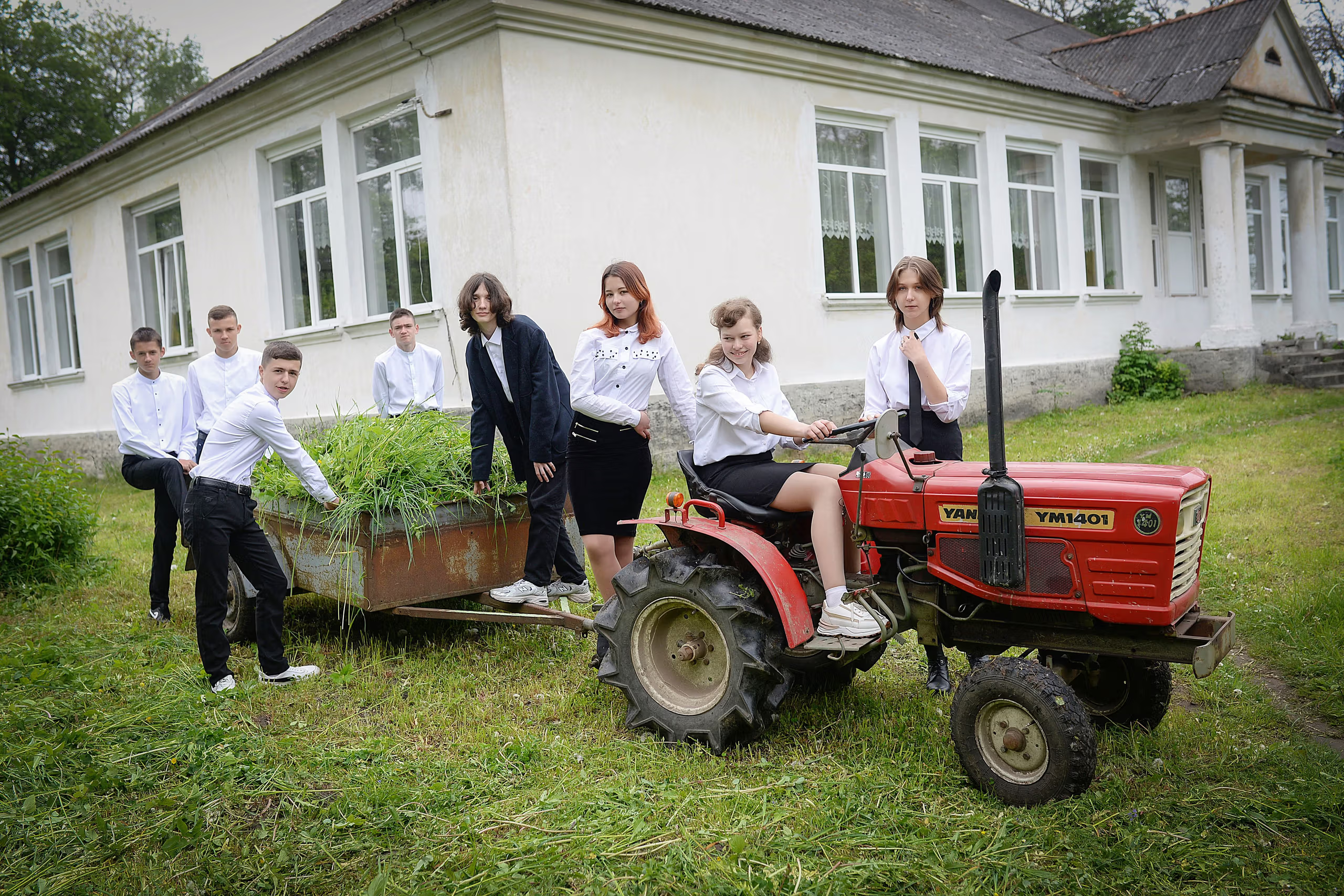
In a move of characteristic Swiss foresight—or perhaps administrative overreach—the nation's agricultural education is being redesigned for a future that has yet to be defined. Aspiring farmers, vintners, and horticulturalists beginning their apprenticeships in 2026 will be the first to follow a curriculum tailored for the "Agricultural Policy 2030+", a federal strategy still being drafted. It is a peculiar exercise in trying to solve tomorrow's problems with today's lesson plans.
The core of this total revision is the three-year apprenticeship leading to a Federal Vocational Certificate (EFZ). The first graduates of this new system will enter the workforce in 2029, just in time for the expected implementation of the new agricultural policy. This policy, a major strategic realignment for the entire sector, aims to bolster Swiss food security while simultaneously—and somewhat optimistically—reducing the administrative load on farmers.
Underpinning this reform is a significant shift in how the state distributes its largesse. In the future, eligibility for direct payments will likely be contingent on holding an EFZ. The less rigorous Federal Vocational Attestation (EBA) will no longer suffice, save for certain exceptions in mountain regions. This effectively professionalizes the receipt of subsidies, transforming them from a near-entitlement into a reward for formal qualification. The Federal Council has tasked the economics department with preparing a draft for consultation by September 2026, leaving educators to work with a set of well-intentioned but still vague objectives.
This preemptive reform is a response to the accelerating pace of change. André Stettler of the Grangeneuve agricultural institute recalls a time when an educational framework might remain untouched for two decades; today, it must be re-evaluated every five years. The drivers are familiar: digitalization is transforming farm management into a data-driven enterprise, while climate change and the finite nature of resources like soil demand new thinking. The curriculum must now balance timeless agronomic truths—a cow still needs milking, and seeds must be sown before they can be harvested—with instruction in smart farming and sustainable practices.
The ultimate goal appears to be the creation of a new kind of farmer: one who is not only a master of their craft but also a flexible entrepreneur, comfortable with both soil and software. Petra Sieghart of Agriprof, the organization overseeing the reform, has been tasked since 2018 with anticipating the competencies a farmer will need in the next decade. The most critical skill, it seems, is no longer just crop rotation but an inherent openness to change and a commitment to lifelong learning.
One has to wonder, however, if true adaptability can be taught through a state-mandated curriculum. The policy promises farmers more freedom and room to maneuver, yet the educational reform ties them more closely to centrally defined standards and subsidy criteria. It creates a class of agriculturalists who are highly skilled and qualified, but who are also trained from day one to respond to the shifting winds of federal policy. The farmer of 2030 will need to be resilient, but the question remains whether this top-down approach fosters genuine entrepreneurial spirit or simply cultivates a more sophisticated form of compliance.
Written by Sandy van Dongen sandy.vandongen@alpineweekly.com