Sep 2, 2:01 PM
Concrete, Microchips, and Fighter Jets: Xi Jinping’s High-Stakes Gamble in Cairo
As China expands from mega-infrastructure to joint military drills in Egypt, Cairo faces a glaring trade deficit and a delicate geopolitical tightrope.
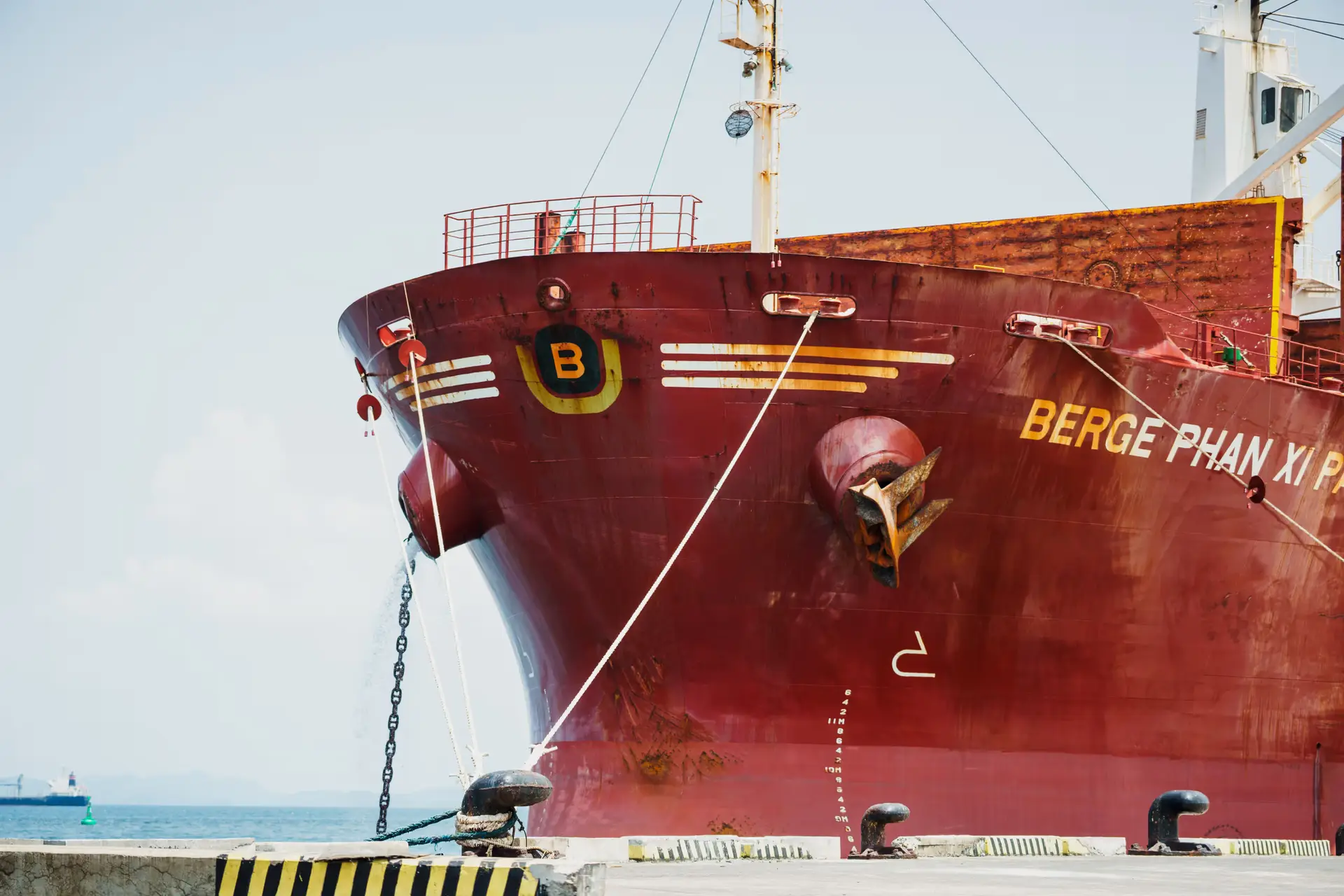
When Chinese President Xi Jinping last set foot in Cairo in 2016, Beijing was busy laying concrete across the Egyptian desert. A decade later, the fruits of that state-driven engineering push are hard to miss, anchored by a 385-meter skyscraper towering over the country's New Administrative Capital. Yet as Xi returns to celebrate seven decades of diplomatic ties, the transaction is evolving. The era of pure brick-and-mortar diplomacy has yielded to a far more ambitious, and potentially fraught, economic and military alignment.
Cairo’s motivation is transparent when looking at the balance sheet. In the first half of 2026 alone, bilateral trade reached $11.3 billion, but the relationship remains heavily lopsided. While Egyptian shipments of raw fuels, agricultural goods, and cotton to China expanded to nearly $841 million, Chinese manufactured imports surged to $10.4 billion. Machinery and electrical equipment accounted for over $4 billion of that sum. Cairo is understandably weary of acting merely as a captive market for Chinese industrial output. President Abdel Fattah el-Sisi is pressing for genuine technology transfer, pushing Chinese firms to set up local assembly lines for electric vehicles, solar hardware, and telecommunications equipment.
Beijing is willing to accommodate these demands if it cements a permanent operational foothold near the Suez Canal and deep inside a domestic market exceeding 100 million people. The Sino-Egyptian industrial zone already claims over 200 active companies and more than $4.7 billion in reported capital investment. Under the bilateral agreement running through 2028, artificial intelligence, space sciences, and battery storage are moving to the forefront of economic discussions, signalling Beijing’s intent to set technological standards across North Africa.
What ought to catch the attention of Western observers, however, is not the commercial balance sheet but the security horizon. Mid-August marked the kickoff of the second Eagles of Civilisation joint air force exercise, bringing Chinese and Egyptian fighter jets together over local air bases to rehearse tactical air superiority and combat operations. For decades, Washington has operated as Cairo’s primary military benefactor. While the Pentagon maintains a quiet vigilance regarding Beijing's expanding military relationships in the region, el-Sisi continues a deliberate policy of strategic hedging—embracing BRICS and the Shanghai Cooperation Organisation while preserving his security reliance on the West.
Whether Egypt can successfully extract real industrial capacity from China without becoming economically dependent or strategically exposed remains the central question. Beijing views Egypt as an indispensable geopolitical pivot linking the Arab world to African markets. Cairo views Beijing as a deep-pocketed counterweight when Western capital hesitates. It is a hard-headed mercantilist bargain, defined by cold national self-interest rather than genuine geopolitical alignment.
Written by Freya Stensrud freya.stensrud@alpineweekly.com