Jul 31, 6:01 PM
Capital Flees the Basin: BP's Rational Retreat from the North Sea
After sixty years of extraction, the energy giant is offloading its upstream assets to focus on higher margins, leaving Whitehall to manage the political fallout.
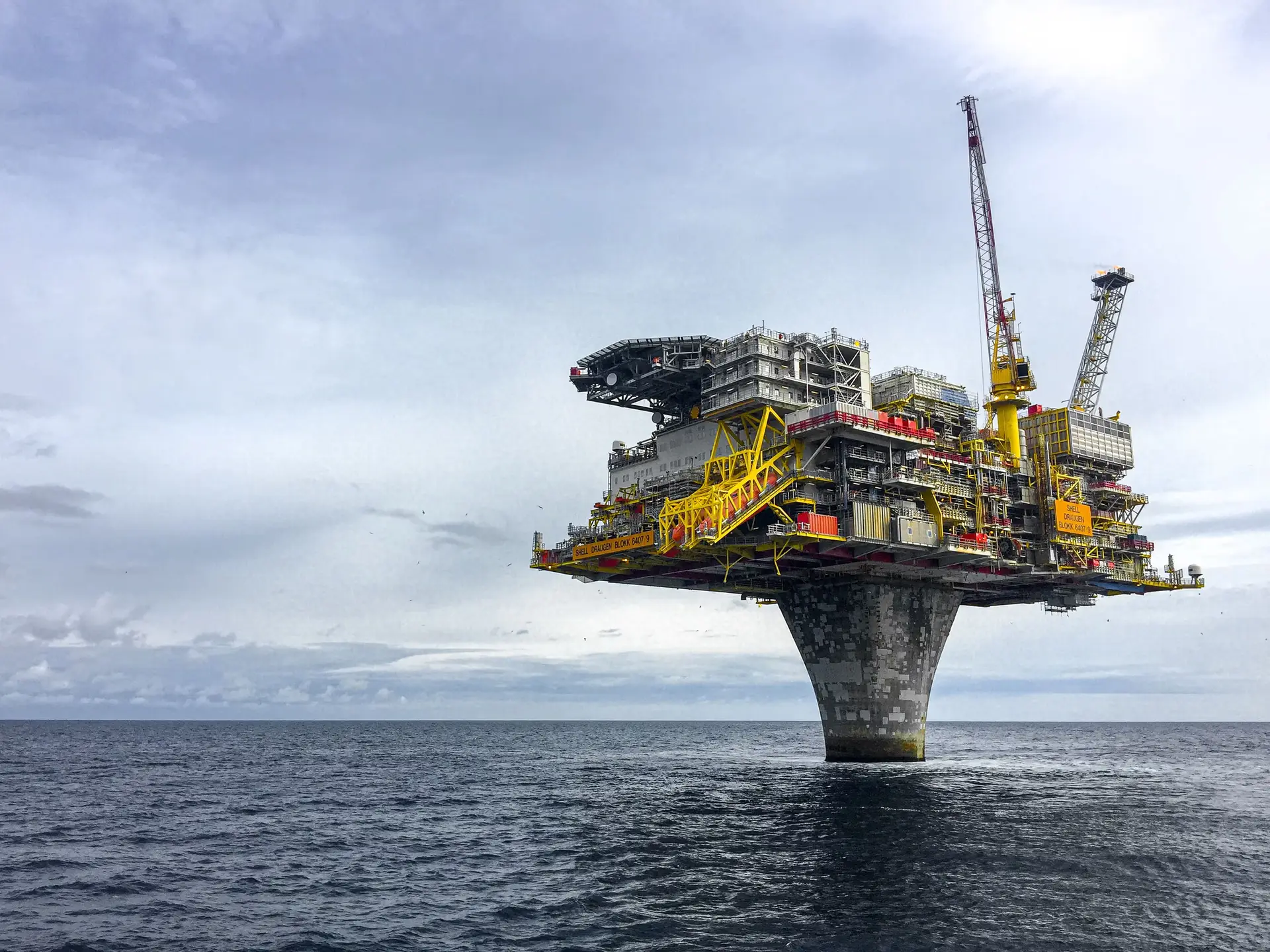
Sixty years after securing its first North Sea exploration licence, BP is packing up its rigs. The energy behemoth has initiated the sale of its entire oil and gas operation in the basin, ending a legacy that began with the West Sole gasfield discovery in 1965 and the Forties field in 1970. Nostalgia has no place on a modern corporate balance sheet. Under chief executive Meg O'Neill, who took charge in April, the company is ruthlessly pruning its portfolio to slash debt. Capital is mobile, and BP has calculated its money is better deployed elsewhere.
The North Sea is not empty, making this departure a matter of margins rather than geology. By the end of 2024, the basin had yielded 47.7 billion barrels of oil equivalent. The North Sea Transition Authority estimates 2.9 billion barrels of reserves remain, alongside 6.2 billion in contingent resources and 4.6 billion in prospective deposits. Extracting these requires navigating regulatory labyrinths. As IG market analyst Chris Beauchamp observed, waiting for Whitehall to formulate a coherent energy policy is hardly a prudent use of resources. The market moves faster than government committees.
Politicians are left attempting to project control over a decision made far above their heads. Energy Secretary Miatta Fahnbulleh insists she is in close contact with the company, issuing predictable assurances about protecting workers and treating the basin as a vital national asset. Andy Burnham similarly advocates a pragmatic approach to remaining reserves. Greenpeace UK campaigner Angharad Hopkinson views the retreat as proof of a declining industry. Activists may cheer, but another operator will likely buy these assets and continue pumping without the BP logo.
O'Neill’s overhaul extends beyond offshore divestments. In May, BP offloaded stakes in two major carbon capture and storage projects in northeast England. The boardroom is also undergoing a brutal simplification. Less than two months into her tenure, O'Neill oversaw the ousting of chair Albert Manifold over alleged governance and conduct failures, which he denies. The message to the market is clear: the new leadership is unsentimental.
Despite the upstream exodus, BP is not abandoning Britain. The company will retain its lucrative UK aviation fuel distribution, retail forecourts, trading desk, and corporate headquarters. BP is keeping the highly profitable downstream operations while offloading the politically sensitive extraction business. O'Neill noted the North Sea operation would be better positioned under a different owner. The North Sea remains integral to the UK’s energy system, she stated, distancing the corporate balance sheet from national energy security problems. BP is acting exactly as a rational market player should.
Written by Freya Stensrud freya.stensrud@alpineweekly.com