Sep 28, 4:01 PM
Brussels Prepares to Blink on Methane Rules as Supply Fears Mount
The Commission is weighing a one-year delay to its methane import regime, after first insisting the rules were untouchable and then discovering that winter has a way of correcting ideology.
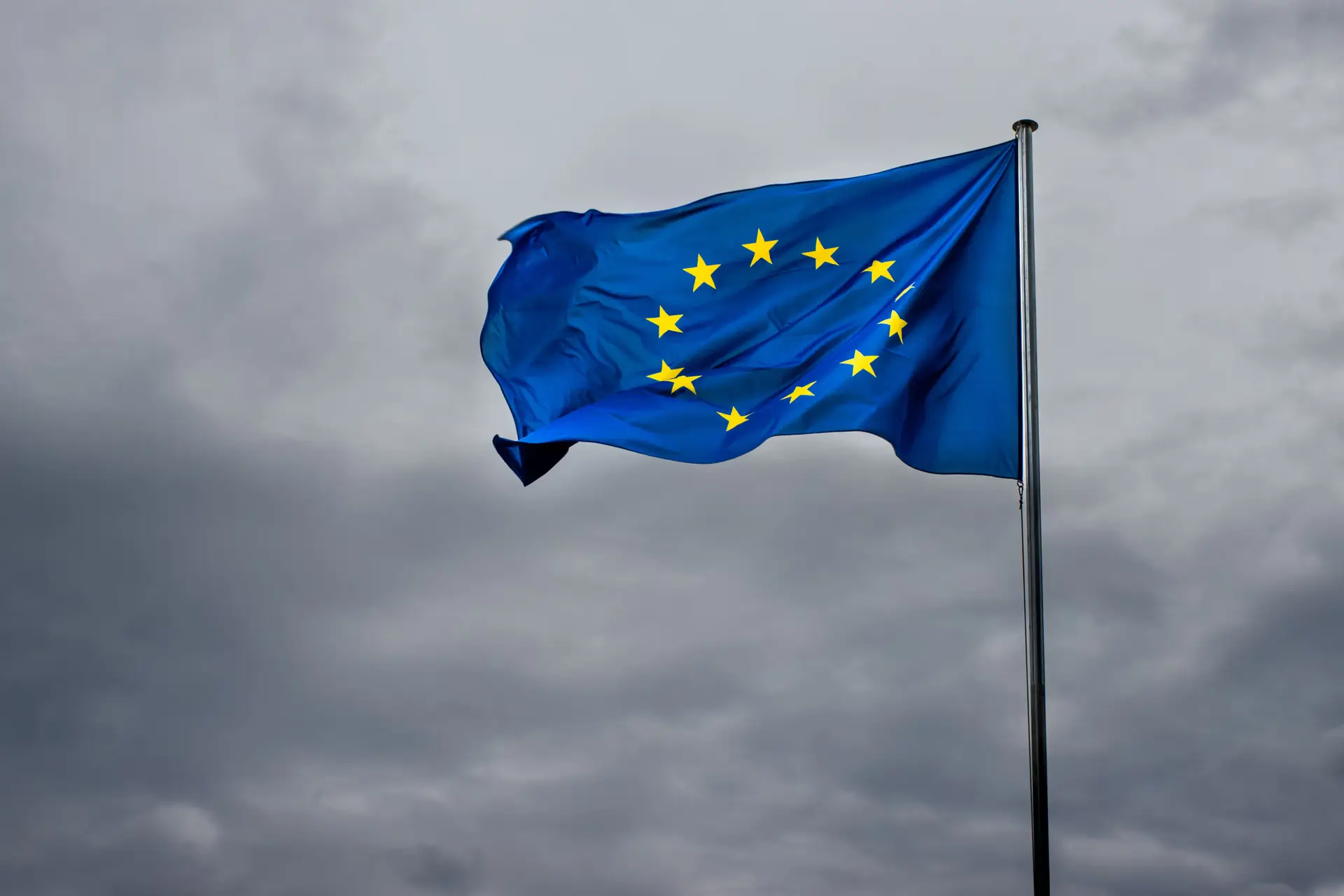
Brussels has found a new use for certainty: postponing it. The European Commission is now preparing to delay its methane rules for oil and gas importers by one year, shifting the start of the regime from 2027 to 2028. EU energy commissioner Dan Jørgensen said on Friday that the regulation would be reopened again, a notable turn from a man who only months ago insisted it would stay shut.
In June, Jørgensen had ruled out any such move. He said then that he would not reopen the file and was proud of the methane regulation. Back then, the Commission still presented the rules as something to defend against pressure from the United States and international energy companies. Now the tone is different, which is usually what happens when supply concerns stop being abstract.
Jørgensen justified the change with European energy security. He warned of a possibly very hard winter, pointing to the uncertain situation at the Strait of Hormuz and to high energy prices. The Commission, he said, must do everything possible to create planning security and cushion the effects for citizens and businesses. That sounds noble enough, though in Brussels the noble cause often arrives only after the practical problem has already knocked on the door.
The methane regulation itself is far from a symbolic gesture. It requires importers of oil, gas and coal to prove that methane emissions during extraction and processing are monitored and verified under standards comparable to those in Europe. Violations can in principle lead to fines of up to 20 percent of annual turnover. Importers, however, depend on measurement data and certificates from producers abroad, and many suppliers have so far refused the extra burden or simply do not meet the requirements.
That creates a simple commercial risk: if the rules are too burdensome, suppliers may sell their fuels elsewhere. Europe could then lose deliveries even though the raw materials are available. The Commission has already recommended that member states refrain from imposing penalties during the first three years, although the obligations themselves would remain in place.
The alarm from the market is not new. The nationalised gas importers Uniper and SEFE have been warning for months about possible supply bottlenecks. Uniper told Apollo News that a significant share of global gas supply is likely not to meet the requirements. A study by the industry association IOGP suggested that available gas imports could fall by 43 percent, while oil imports could drop by as much as 87 percent.
Politically, Jørgensen is following a demand from French President Emmanuel Macron. German Economics Minister Katherina Reiche has also backed a delay, while Environment Minister Carsten Schneider rejects it. If the regulation is reopened, the German government would first have to agree on a common position in the Council of the European Union. Coordination, naturally, remains one of Europe’s favourite substitutes for decision-making.
At the same time, Jørgensen is asking member states to save energy. In a letter to EU energy ministers, he called for measures to reduce gas and electricity consumption for as long as necessary. The Commission mentioned possible steps such as switching off public lighting at night, banning outdoor heating lamps and lowering temperatures in public buildings.
The German Environmental Aid criticised the possible postponement as backing down before US President Donald Trump. It also warned that reopening the regulation could lead to broader changes. That is the usual Brussels dilemma: rules are easiest to defend when they are somebody else’s problem. Once the winter forecast turns ugly, the same rules suddenly become negotiable.
Written by Freya Stensrud freya.stensrud@alpineweekly.com