Jul 28, 6:01 AM
Boeing’s Quality Control Crisis Finally Reaches the Passenger Seat
The US aviation regulator is proposing mandatory inspections for hundreds of 737 MAX jets to ensure the cabin furniture is actually secured to the floor.
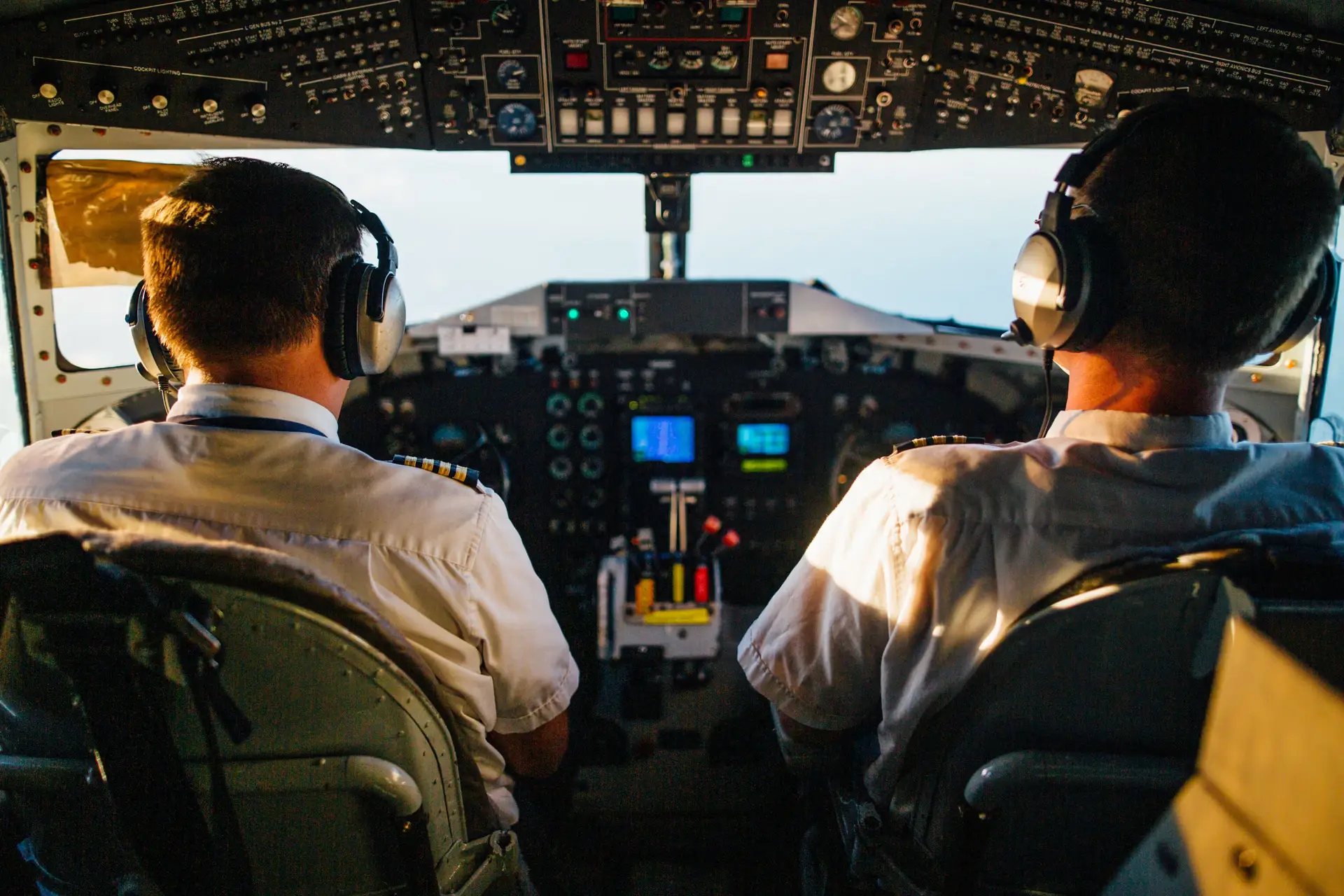
There is a baseline expectation when boarding a commercial airliner that the seat will remain firmly attached to the floor. For passengers flying on Boeing’s 737 MAX, the Federal Aviation Administration has determined this might be an overly optimistic assumption. The US aviation regulator is advancing a proposal to mandate safety inspections across 453 domestically registered aircraft. The concern is straightforward but troubling: passenger seats may have been installed incorrectly on the assembly line.
Should an affected aircraft be forced into an emergency landing, these improperly secured seats risk breaking loose from their tracks. The immediate danger is physical injury to passengers and crew members who are violently thrown about the cabin. A secondary, perhaps more catastrophic risk, involves detached seats obstructing the aisles and impeding a rapid evacuation. The FAA’s proposed directive currently applies exclusively to the US fleet, though international aviation authorities routinely mirror American regulatory mandates for the roughly 2,300 MAX jets operating globally.
The aerospace manufacturer appears to be taking the development in stride, having already issued technical guidance to airline operators regarding the seating issue late last year. A company spokesperson confirmed via email that Boeing officially backs the regulatory intervention, stating, "We support the FAA making that guidance mandatory." It is a remarkably compliant posture for a corporation that has spent the better part of the last decade aggressively defending its engineering practices against mounting external skepticism.
This latest mandate is merely another chapter in a sprawling saga of quality control failures at the manufacturing giant. The industry is still processing the fallout from January 2024, when an Alaska Airlines 737 MAX 9 lost a cabin panel mid-flight. Investigators ultimately traced that terrifying depressurization event to four missing bolts. The subsequent grounding of 171 jets forced a reckoning that Boeing is still navigating, punctuated by the National Transportation Safety Board concluding in June 2025 that the company failed to provide the necessary oversight and training to prevent such manufacturing defects.
The atmosphere surrounding the company has grown steadily more severe, exacerbated by a string of global accidents and the March 2024 death of whistleblower John Barnett amidst his safety lawsuit against the firm. According to the aviation intelligence firm IBA, there are currently 823 MAX jets operating within the United States. As airlines prepare to inspect hundreds of these airframes for loose seating, the flying public is left to wonder which fundamental component of the modern aircraft will require a federal inspection next.
Written by Sandy van Dongen sandy.vandongen@alpineweekly.com