
Aug 6, 2:02 PM
Air India’s $2.3 Billion Problem: Can Tewolde Gebremariam Save the Tata Group’s Aviation Dream?
The former Ethiopian Airlines executive faces the monumental task of salvaging a carrier plagued by record losses, operational farce, and a fatal safety record.
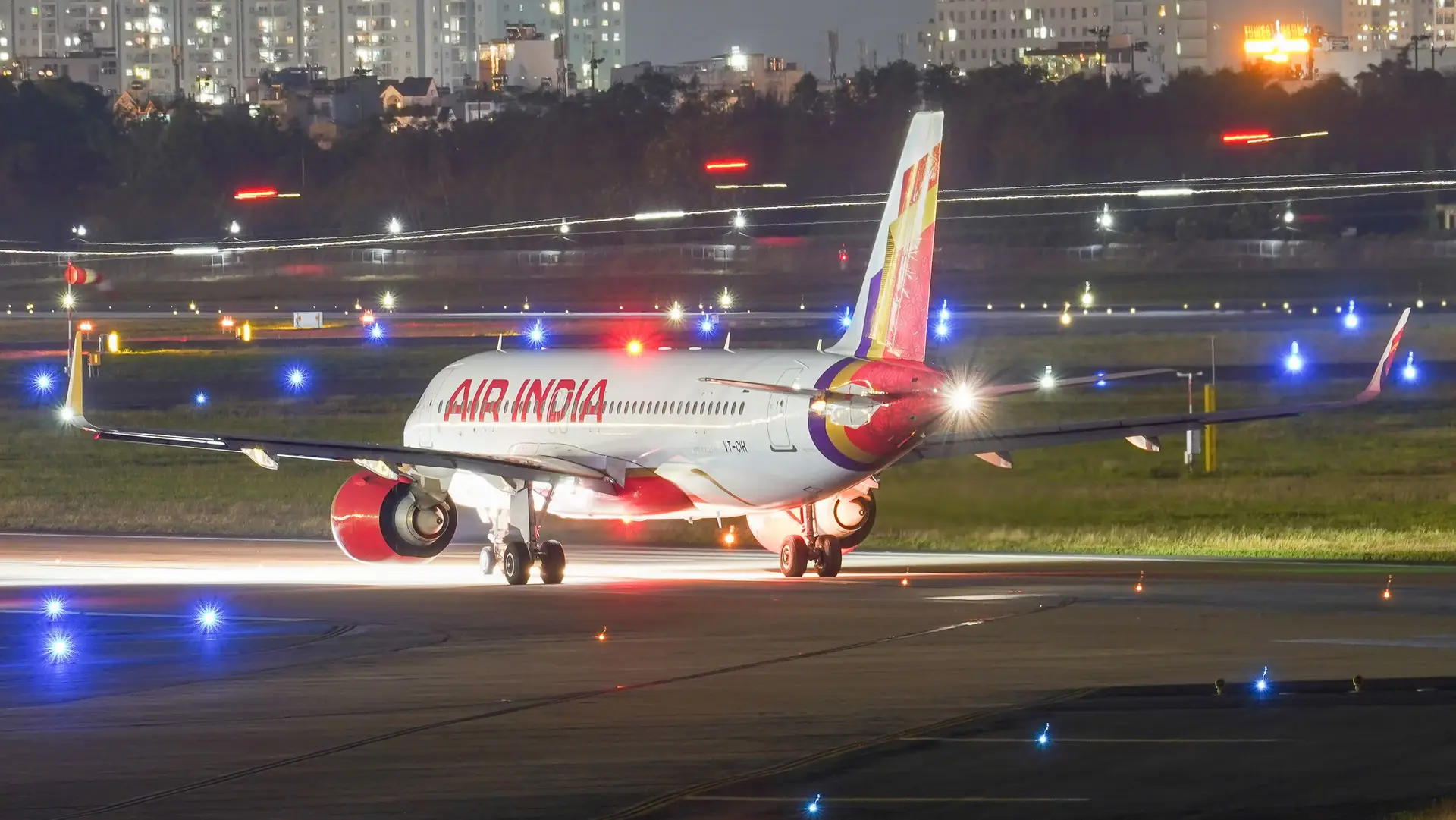
The Tata Group’s 2022 acquisition of Air India was supposed to be a triumph of private enterprise over state-sponsored inefficiency. Four years later, the carrier remains a spectacular bonfire of capital. Reporting a record $2.3 billion loss last month, the airline is hemorrhaging cash while grappling with the horrific aftermath of a fatal crash. Clearly, the initial turnaround strategy has stalled. Enter Tewolde Gebremariam, the former Ethiopian Airlines chief, who has just been handed what might be the most unforgiving mandate in corporate aviation.
Gebremariam succeeds Campbell Wilson, who stepped down in April. Wilson spent his tenure attempting to drag the bloated carrier into the modern era, but the results have been grim. Air India recently slashed nearly a third of its international operations. To compound matters, the airline has become a punchline for operational incompetence. In March, a Delhi-Vancouver flight spent eight hours in the air only to return to India because it lacked clearance for Canadian airspace.
The board’s unanimous decision to hire Gebremariam makes cold, pragmatic sense. During his decade at Ethiopian Airlines, he transformed a regional player into Africa’s most profitable aviation giant, nearly tripling its fleet. More crucially, he is a crisis manager. He navigated the 2019 Boeing 737 Max crash that killed 157 people and steered his former employer through the pandemic by pivoting to cargo when passenger demand evaporated. Industry consultants note his ability to maintain employee loyalty, particularly among pilots and engineers, was central to his success.
He will need every ounce of that goodwill to salvage Air India. The carrier’s internal culture requires a total rebuild. The most devastating blow to the airline’s ambitions came last June, when an Ahmedabad-London flight crashed, killing 260 people. With the final investigation report due in October, the new chief executive inherits a brand severely compromised on the fundamental metric of safety.
The broader macroeconomic environment offers zero breathing room. India’s aviation sector is squeezed by rising operational costs, aircraft delivery delays, and tighter regulatory oversight. Geopolitical friction, notably the Iran war, has disrupted lucrative international routes. Operating a fleet of 198 aircraft across 91 destinations sounds impressive until one reviews the balance sheet.
Tata Group management projects confidence. Chairman N Chandrasekaran stated that Having completed the initial phase of stabilisation, integration, and fleet commitments under Campbell's guidance, Air India is now entering a critical execution and expansion era. Gebremariam has promised to build a global carrier reflecting India’s economic potential. Yet, Chandrasekaran concedes a turnaround could take a decade. Gebremariam’s start date remains unannounced, leaving observers wondering how quickly he can act before financial turbulence tears the enterprise apart.
Written by Freya Stensrud freya.stensrud@alpineweekly.com