Jul 2, 6:07 PM
A Chinese-Built Leviathan for a Stagnating Continent
France celebrates the launch of a colossal LNG container ship, masking the reality of European industrial decline.
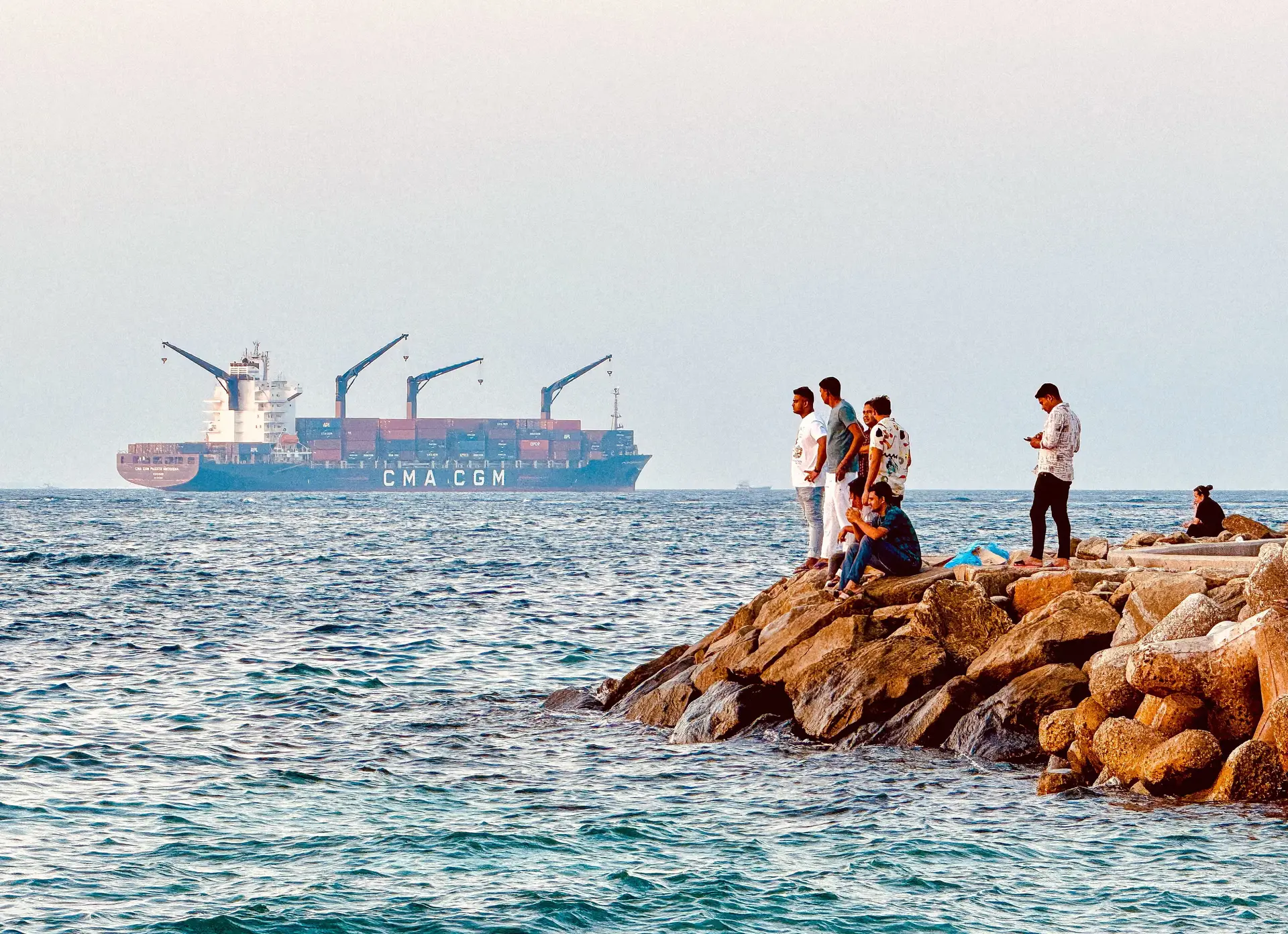
The quayside in Le Havre played host to a grand spectacle of French self-congratulation. The CMA CGM Notre Dame, a container ship stretching nearly 400 metres and carrying 24,000 containers, was inaugurated with immense pomp. First Lady Brigitte Macron and Dior executive Delphine Arnault graced the event, with Arnault declaring the French flag proved the nation must remain a maritime power. It is a comforting illusion for a country grappling with alarming state finances, a weakened economy, and a domestic sphere fractured by failed immigration policies and socialist stagnation. Conveniently omitted from the toasts was the fact that this vessel was built in China.
As the first of ten ultra-large ships scheduled for delivery by January 2028, the vessel operates on the Asia-Europe route. Outbound, it carries chemicals, pharmaceuticals, machinery, and luxury goods. On its 100-day round trip, calling at ports from Rotterdam to Shanghai, it returns with the electronics and appliances a heavily regulated Europe struggles to produce. The cargo, valued at up to €3 billion aboard the 62-metre-wide ship, encapsulates the continent's economic reality: exporting heritage while importing modernity.
The 80,000-horsepower leviathan uses liquefied natural gas, the preferred fuel for an industry appeasing regulators. While LNG reduces carbon dioxide emissions by a quarter and cuts particulate matter by 95 percent, it is haunted by methane slip, where unburned gases escape. Naturally, the European Union has stepped in with its FuelEU Maritime regulation, mandating an 80 percent reduction in greenhouse-gas intensity by 2050. The Brussels machine, lacking democratic accountability and entirely detached from global manufacturing, excels at producing strict compliance frameworks for industries it cannot sustain domestically.
To meet these targets, CMA CGM uses artificial intelligence to optimise navigation, saving 600,000 tonnes of carbon dioxide annually fleetwide. Chief Executive Rodolphe Saadé noted the ship's efficient propulsion aligns with their carbon neutrality ambitions. He warned of geopolitical vulnerabilities, stating that there is a real risk that freedom of navigation could be challenged in other major global straits that underpin international trade—and for France, whose prosperity relies heavily on international exchange, this is a matter of competitiveness.
The fragility of maritime trade, exposed by the Iran war, prompted the EU to adopt two sweeping strategies in March 2026 to theoretically reinforce supply chains. European Commissioner Apostolos Tzitzikostas dutifully recited the institutional line, stating that if global trade has a backbone, it is maritime transport. Europe's ports handle around 75% of the EU's external trade, and the European maritime economy supports around 4.5 million jobs. Yet, no paperwork from an undemocratic apparatus in Brussels will build a ship. Europe regulates, France hosts the parties, and China builds the fleet.
Written by Freya Stensrud freya.stensrud@alpineweekly.com