
Jan 30, 12:08 PM
US Dollar Slides to Four-Year Low as Policy Uncertainty Rattles Markets
Analysts warn the currency may weaken further as investors weigh geopolitical tensions, interest rate expectations, and global growth shifts
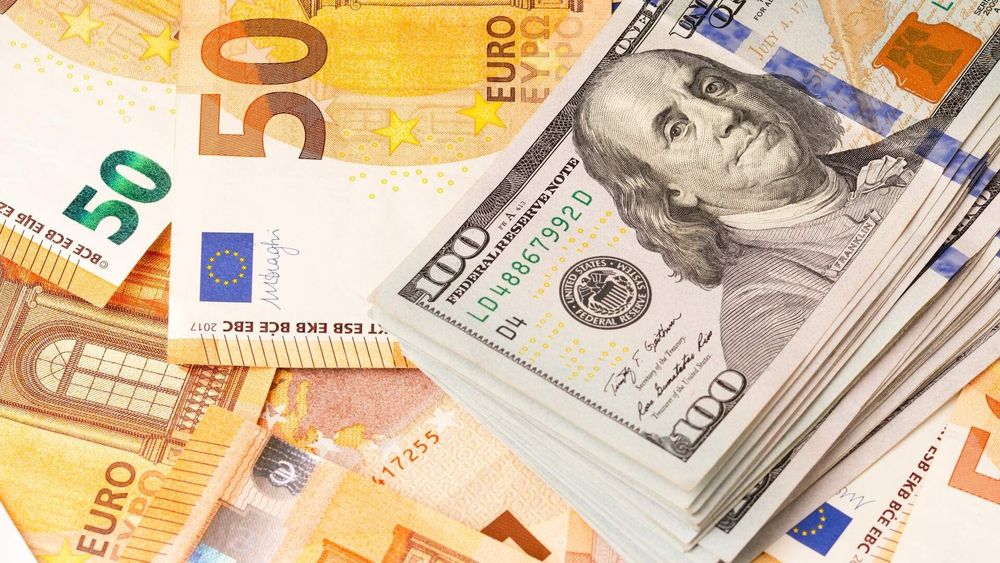
The US dollar has fallen to its weakest level in four years, catching many currency traders off guard after expectations that the market would settle following a turbulent 2025. Instead, the greenback has resumed its downward path, dropping roughly 3% in about a week and hitting multi-year lows against both the euro and the British pound.
Although the pace of the decline has recently eased, market analysts widely suggest the broader trajectory may still point downward.
The dollar’s retreat follows more than a decade of relative strength, particularly between 2020 and 2022 when strong economic growth and comparatively high US interest rates attracted global investors. That momentum began to fade last year, when the dollar index — which measures the currency against a basket of peers — recorded its sharpest annual drop since 2017. Much of that decline came after tariff announcements from President Donald Trump unsettled financial markets.
Fresh geopolitical tensions, including disagreements between Washington and European partners over Greenland, have added to investor unease this month. Speculation that US authorities might consider coordinated currency actions with Japan to support the yen also contributed to volatility, though comments from Treasury Secretary Scott Bessent denying any intervention helped steady the market temporarily.
Behind the currency’s slide lies a broader concern among investors about the direction and consistency of US policy. Some analysts describe markets as reacting to rapid shifts in government positions, arguing that unpredictable decision-making can weigh on economic confidence.
At the same time, global factors are pulling capital elsewhere. Improved growth prospects outside the United States, combined with investment opportunities abroad, are encouraging diversification. Turbulence in Japan’s bond market has further prompted traders to unwind strategies tied to the dollar-yen exchange rate.
Money does not simply vanish when it leaves a currency — it relocates. One notable destination has been gold, whose price has surged dramatically over the past year as investors sought perceived safety. Meanwhile, several major currencies have strengthened against the dollar, and a number of emerging-market currencies have posted gains as well.
Some institutional investors appear to be adjusting their exposure to US assets. Pension funds in parts of Europe have reportedly reduced their holdings of US government debt. Even so, market observers caution that this does not yet amount to a broad retreat from the United States: equities remain near record highs, and movements in the Treasury market have stayed relatively contained.
For American consumers, a weaker dollar typically means reduced purchasing power abroad and potentially higher prices for imported goods — a dynamic that could feed domestic inflation if it persists.
Interest rate policy may prove decisive in determining what happens next. President Trump has advocated faster rate cuts and is expected to appoint a central bank leader more aligned with that view. Lower borrowing costs often pressure a currency because investors seek higher returns elsewhere.
Yet a softer dollar is not universally unwelcome in Washington. A weaker currency can make US exports more competitive, potentially benefiting domestic manufacturers. Trump has previously suggested that economic gains can be easier to achieve with a less expensive currency and recently described the dollar as performing well despite its decline.
Economists note, however, that the reason behind any depreciation matters. A moderate drop tied to healthy economic rebalancing could support growth, while a fall driven by doubts about policy credibility might signal deeper challenges.
For now, markets appear to be watching — and hedging. Forecasts from some financial institutions anticipate the dollar could lose another 4% to 5% this year if global growth continues to broaden.
Whether this marks the beginning of a longer shift or merely another chapter in the currency’s cyclical story remains uncertain. But if the past few weeks have demonstrated anything, it is that even the world’s dominant reserve currency is not immune to sudden changes in investor mood.
Latest news