
Feb 5, 6:26 AM
Xi Pushes Yuan’s Global Role as China Eyes Financial Power Status
Beijing wants its currency to move beyond trade use and challenge the dollar’s dominance in reserves, as global monetary tensions grow.
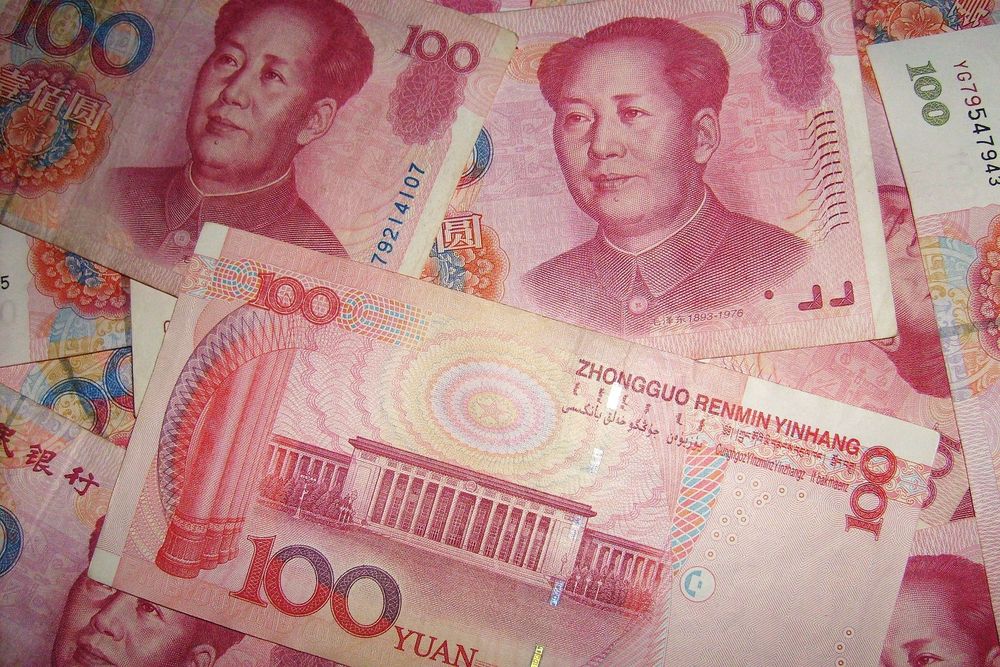
China’s leadership is sharpening its ambition to elevate the yuan from a widely used trading currency into a full-fledged global reserve, a move President Xi Jinping has described as central to the country’s long-term financial strategy.
In a policy article published over the weekend in the Communist Party journal Qiushi, Xi argued that China cannot become a true financial heavyweight without a currency that is broadly used in global trade, investment and foreign exchange markets — and ultimately held by central banks as a reserve asset. He also stressed the need for a stronger and more influential central bank to support that goal.
The yuan has already expanded its international footprint in recent years, particularly since early 2022, when sanctions linked to the war in Ukraine disrupted traditional payment channels. As a result, more countries began settling trade in national currencies, pushing the yuan to become the world’s second most-used currency in trade finance after the US dollar. Its presence in official reserves, however, remains modest.
According to the latest data from the International Monetary Fund, the dollar still accounted for about 57% of global foreign exchange reserves in the third quarter of 2025. The euro held roughly 20%, while the yuan represented just under 2%. That gap highlights how far Beijing still has to go if it hopes to reshape the global currency hierarchy.
Chinese policymakers have increasingly acknowledged the risks of relying too heavily on the dollar-dominated system. Last summer, central bank governor Pan Gongsheng cautioned against excessive dependence on a single currency and suggested that the global monetary system could evolve into one where several sovereign currencies coexist and balance one another.
Concerns about the durability of dollar dominance are no longer confined to Beijing. Germany’s financial watchdog, BaFin, warned last week that the dollar’s role as the world’s primary reserve currency could come under pressure as early as 2026, citing funding strains, geopolitical shocks and the growing politicization of financial systems. Those remarks followed a sharp fall in the Bloomberg Dollar Spot Index after US President Donald Trump announced sweeping new tariffs.
Trump has played down worries about the dollar’s weakness, arguing that the currency remains strong and should be allowed to adjust freely. Still, the combination of trade tensions, sanctions and shifting alliances has renewed debate about whether the global financial order is slowly fragmenting.
Russia offers a glimpse of how those shifts can play out in practice. In November, Moscow’s finance minister said that more than 99% of trade between Russia and China was already being settled in rubles and yuan, largely to reduce exposure to Western financial institutions.
For China, expanding the yuan’s role in reserves would mark a much bigger leap than increasing its use in bilateral trade. It would require deeper financial markets, greater transparency and broader international trust — hurdles that remain significant. Even so, Xi’s renewed push suggests Beijing sees the current period of global uncertainty not as a risk to manage quietly, but as an opening to press its case for a more multipolar monetary world.
Latest news