Jan 19, 12:45 PM
Eurovision Unveils First International Tour Amid Growing Boycott Over Israel’s Inclusion
The song contest marks its 70th anniversary with a Europe-wide tour as withdrawals and artist protests reshape the 2026 competition.
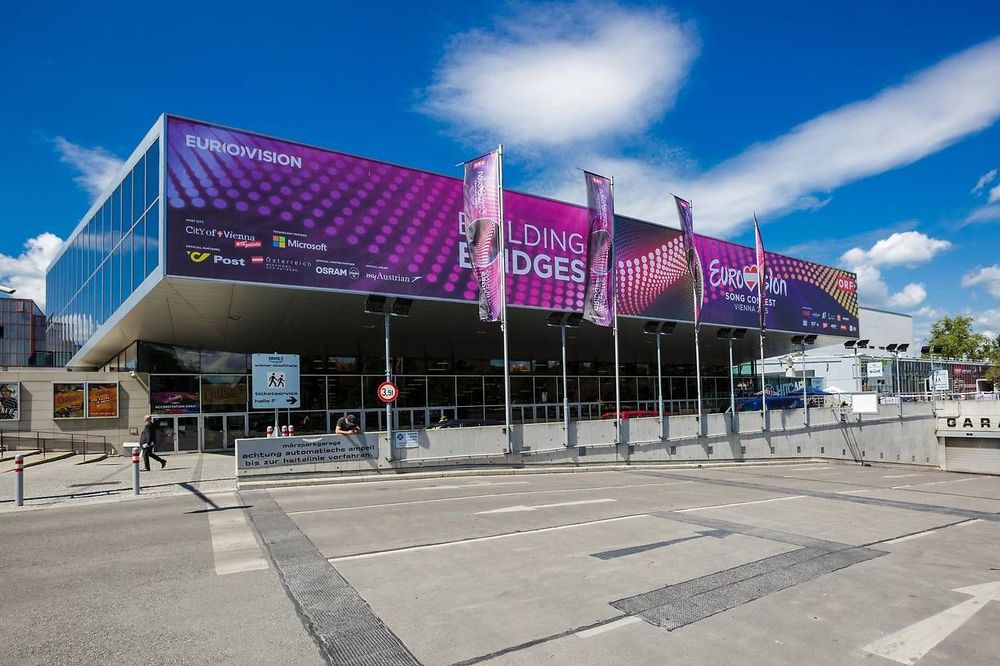
The Eurovision Song Contest has announced its first-ever international concert tour to mark the competition’s 70th anniversary, even as the event faces mounting controversy and a wave of withdrawals linked to Israel’s participation.
Organisers said the tour will take place across Europe in June and July and will feature a mix of past Eurovision performers alongside artists selected for the 2026 contest. According to the European Broadcasting Union (EBU), the shows are intended to celebrate seven decades of Eurovision history and bring together its global fan base. Participating artists are expected to perform their own contest entries as well as reinterpret songs from previous editions.
Ten cities, including London and Paris, are set to host the tour between 15 June and 2 July. The concerts will follow the grand final of the 2026 Eurovision Song Contest, which is scheduled to be held in Vienna on 16 May.
The announcement comes at a time of heightened political and cultural tension surrounding the competition. Five countries have withdrawn from the 2026 contest in protest over Israel’s inclusion, reducing the number of participating nations to 35. This marks the smallest lineup since Eurovision expanded its format in 2004.
Ireland’s public broadcaster RTÉ said its decision to withdraw was motivated by the scale of civilian deaths and the humanitarian crisis in Gaza. Spain, Iceland, the Netherlands and Slovenia later followed with similar announcements. The withdrawals have intensified debate over whether Eurovision can continue to present itself as a non-political event.
The controversy has also prompted individual protests from prominent figures associated with the contest. Nemo, the winner of the 2024 edition, returned their Eurovision trophy, stating that the values the contest claims to represent were incompatible with Israel’s continued participation during the war in Gaza. Nemo cited findings by a United Nations investigative body, which described Israel’s actions as amounting to genocide — a characterisation that remains a matter of international legal and political dispute.
Conchita Wurst, the Austrian singer who won Eurovision in 2014, also announced this week that she would no longer take part in any Eurovision-related activities. In a personal statement, she expressed gratitude for the role the contest had played in her career but said she had decided to step away and focus on new professional projects.
The debate has extended to current Eurovision figures as well. Johannes Pietsch, known as JJ and winner of the 2025 contest, previously called for an Austrian edition of Eurovision that would exclude Israel. He later issued an apology following domestic backlash over his remarks.
The EBU has reiterated that Eurovision is meant to remain politically neutral. Critics, however, have accused the organisation of applying double standards. They point to the exclusion of Russia after its invasion of Ukraine in 2022 and the earlier removal of Belarus following a disputed presidential election, arguing that Israel’s continued participation undermines the contest’s stated principles.
Despite the growing number of withdrawals and public protests, organisers have confirmed that preparations for the 70th edition are continuing. The 2026 Eurovision Song Contest is due to take place in Vienna on 16 May.
As Eurovision moves forward with both its anniversary celebrations and its next competition, the parallel rise in political pressure raises questions about how long the event can maintain its traditional claim of standing apart from global conflicts.