Dec 23, 8:28 AM
Europe Weighs Child Social Media Bans After Australia’s Crackdown
From Denmark to Germany, governments are considering age limits, digital ID checks and parental controls as concerns grow over children’s mental health and online safety
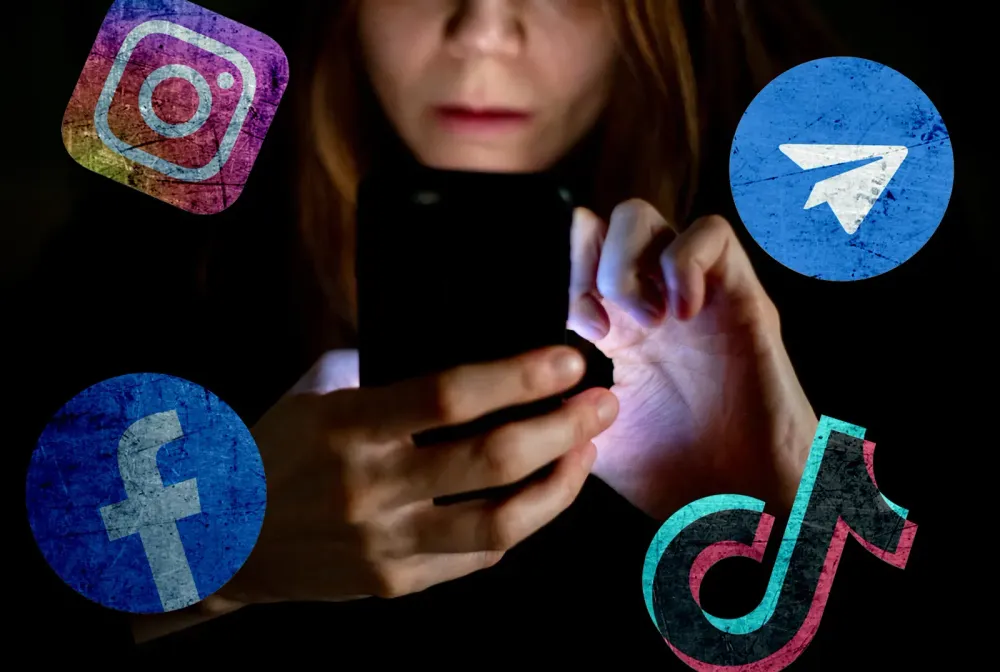
In the wake of Australia’s decision to ban social media accounts for children under 16, several European countries are reassessing how — and whether — to impose similar restrictions. While approaches differ widely, a common theme is emerging across the continent: rising anxiety over the impact of social media on children’s wellbeing, sleep, concentration and exposure to harmful content.
Australia’s law, which took effect earlier this month, bars under-16s from creating or maintaining accounts on major platforms such as Instagram, TikTok, Snapchat, X, Facebook, YouTube and Reddit. Platforms that fail to comply face fines of up to 50 million Australian dollars (€28 million). The move has triggered intense debate in Europe about feasibility, enforcement and the balance between child protection and digital freedoms.
A patchwork of national approaches
Across Europe, governments are moving at different speeds and with different tools.
Denmark has taken one of the most decisive steps so far. In November, the government announced a cross-party agreement to restrict access to certain social media platforms for children under 15, citing disrupted sleep, reduced concentration and mounting pressure from digital interactions. Parents would still be able to grant access from age 13. While the legislation is expected to take months to pass, Denmark plans to rely on its national electronic ID system and a future age-verification app, alongside significant funding for child online safety initiatives.
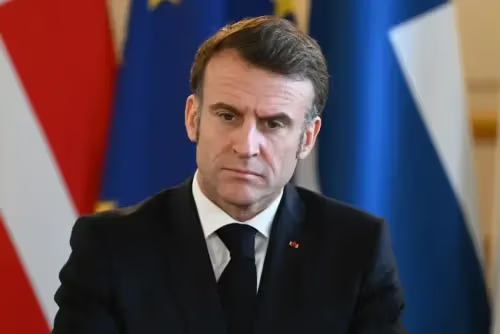
France is also preparing stricter rules. The country already requires parental consent for children under 15 to open social media accounts, but the government now wants to go further. A bill expected in early 2026 would restrict social media outright for under-15s, following recommendations from a parliamentary commission that investigated the platforms’ role in exposing minors to harmful and suicidal content. President Emmanuel Macron has made clear that if the EU fails to act collectively, France is ready to move alone.
Spain is considering a more nuanced model. Draft legislation under review would bar children under 16 from accessing social networks, forums, messaging platforms and even virtual spaces using generative AI without explicit parental consent. In some cases, the minimum age would be 14. The proposal also strengthens parental oversight through app stores. While public support appears strong, enforcement remains a concern, with many parents doubting whether age limits can be effectively implemented.
Italy’s debate combines child protection with broader digital regulation. A bill introduced last year would restrict social media for under-15s and place limits on “kidfluencers.” Age verification would be tied to a national digital identity wallet aligned with an upcoming EU system. Pressure is also mounting through the courts, as Italian families pursue lawsuits against TikTok, Facebook and Instagram over widespread underage use.
Greece has signalled openness to an Australian-style ban. Prime Minister Kyriakos Mitsotakis has framed social media as a large-scale experiment on children’s minds with unknown consequences. Greece has already banned smartphones in classrooms and rolled out parental control tools, including a “Kids Wallet” app that could serve as an age-verification mechanism.
Germany, by contrast, remains cautious. There are currently no under-16 restrictions, but the government has commissioned a study on the feasibility and impact of a potential ban, with a report due in 2026. Lawmakers are considering a model that would apply uniformly to all minors, without parental exemptions, while still allowing unlogged access to platforms. A petition calling for a minimum age of 16 has gained tens of thousands of signatures and is under review.
Enforcement and the EU question
Despite growing momentum, major questions remain unresolved. Age verification raises concerns about privacy, data security and the creation of digital ID systems for children. Enforcement across borders is another challenge, particularly in the EU’s single market, where platforms operate transnationally.
The European Commission has so far stopped short of proposing an EU-wide ban, but national initiatives are increasing pressure for coordinated action. Supporters argue that fragmented rules risk being ineffective, while critics warn that sweeping bans could be difficult to police and may push children toward unregulated or underground platforms.
What is clear is that the debate has shifted. Once framed primarily as a matter of parental responsibility, children’s social media use is now firmly on the political agenda across Europe. Whether this leads to harmonised EU rules or a lasting patchwork of national laws remains to be seen.