Jun 29, 6:04 PM
Sweat, Sirens, and Swiss Folklore: Basel's Alpine Experiment
How a historic heatwave tested the limits of traditional costumes and the urban-rural divide.
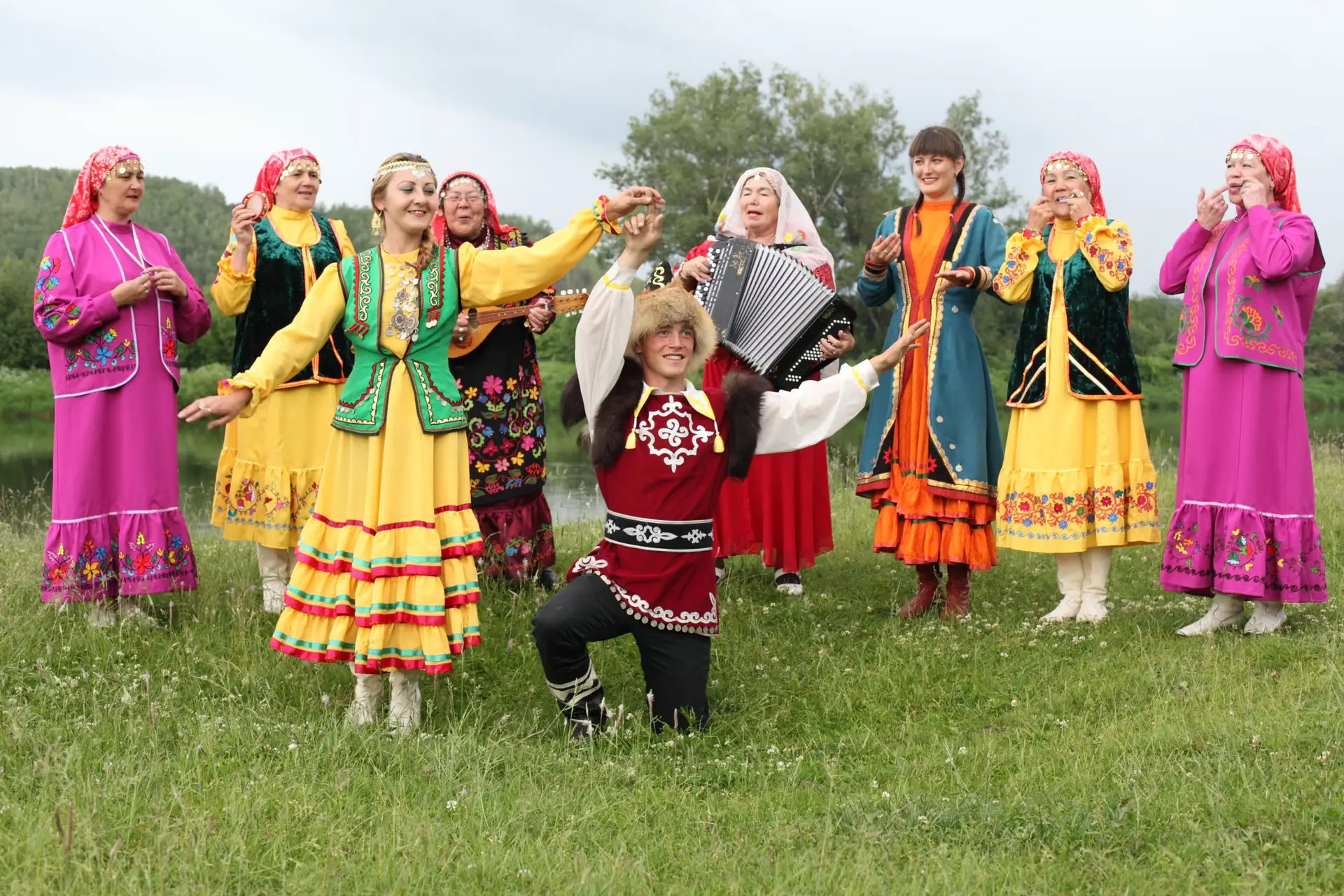
There is a particular kind of stubbornness required to don heavy, embroidered woollen costumes and yodel in the middle of a city while the thermometer climbs to 39 degrees Celsius. Yet, the Swiss have never let minor inconveniences like a historic heatwave interfere with their meticulously planned traditions. Over the weekend, Basel hosted the 32nd Federal Yodeling Festival, transforming the usually cosmopolitan banking and pharmaceutical hub into a temporary alpine village.
The visual contrast was stark. Basel, a city that currently boasts a mere two yodeling clubs—down from a historical peak of twenty—suddenly found its streets packed with alphorn players, flag throwers, and rural choirs. The timing coincided with the highest temperatures ever recorded in the area. The collision of alpine folklore and urban concrete baking in record heat resulted in predictable physiological consequences.
Switzerland’s famously well-resourced state apparatus was quickly put to the test. Emergency medical services recorded around 300 deployments over the three-day event, representing a fifty percent surge compared to a standard weekend. Off-duty medical personnel were summoned to treat heat-related ailments, largely because an older demographic of enthusiasts insisted on participating, even if some prudently decided to stay home. Despite the ambulance sirens competing with alpine horns, the organizing committee maintained a distinctly Swiss level of calm. Vice President Thomas von Arx declared the event largely smooth, noting that the primary logistical casualties were a few overwhelmed refrigerators.
Beyond the sheer physical endurance, the festival carried a heavy ideological burden. The official motto aimed to bridge the urban-rural divide, a growing political chasm in a country that fiercely protects its direct democratic quirks. There is something almost charmingly naive about the notion that a weekend of folk music can stitch together the disparate worldviews of urban progressives and conservative rural cantons.
Yet, the political figures involved played their parts perfectly. Basel-Stadt government president Conradin Cramer praised the cultural exchange, while Karin Niederberger, president of the Federal Yodeling Association, expressed satisfaction that the cultural gap was invisible during the festivities. The urban-rural divide was certainly not noticeable at this festival. And that is exactly how it should be! We can go back to having different opinions afterwards, she stated, summarizing the pragmatic approach to national unity.
The participants survived by swapping their heavy traditional shoes for sandals between performances and diluting their beer with lemonade. It was a display of friendly endurance. They came, they sweated, they sang, and then they retreated to their respective cantons to resume their usual political disagreements. The cultural divide remains intact, but for one weekend, it was successfully drowned out by alphorns and a highly efficient emergency medical response.
Written by Thorben Thiede thorben.thiede@alpineweekly.com