Oct 20, 4:01 PM
Polar Heroism and Northern Myths
Erling Kagge’s book release highlights Norway’s enduring fixation with romanticized wilderness.
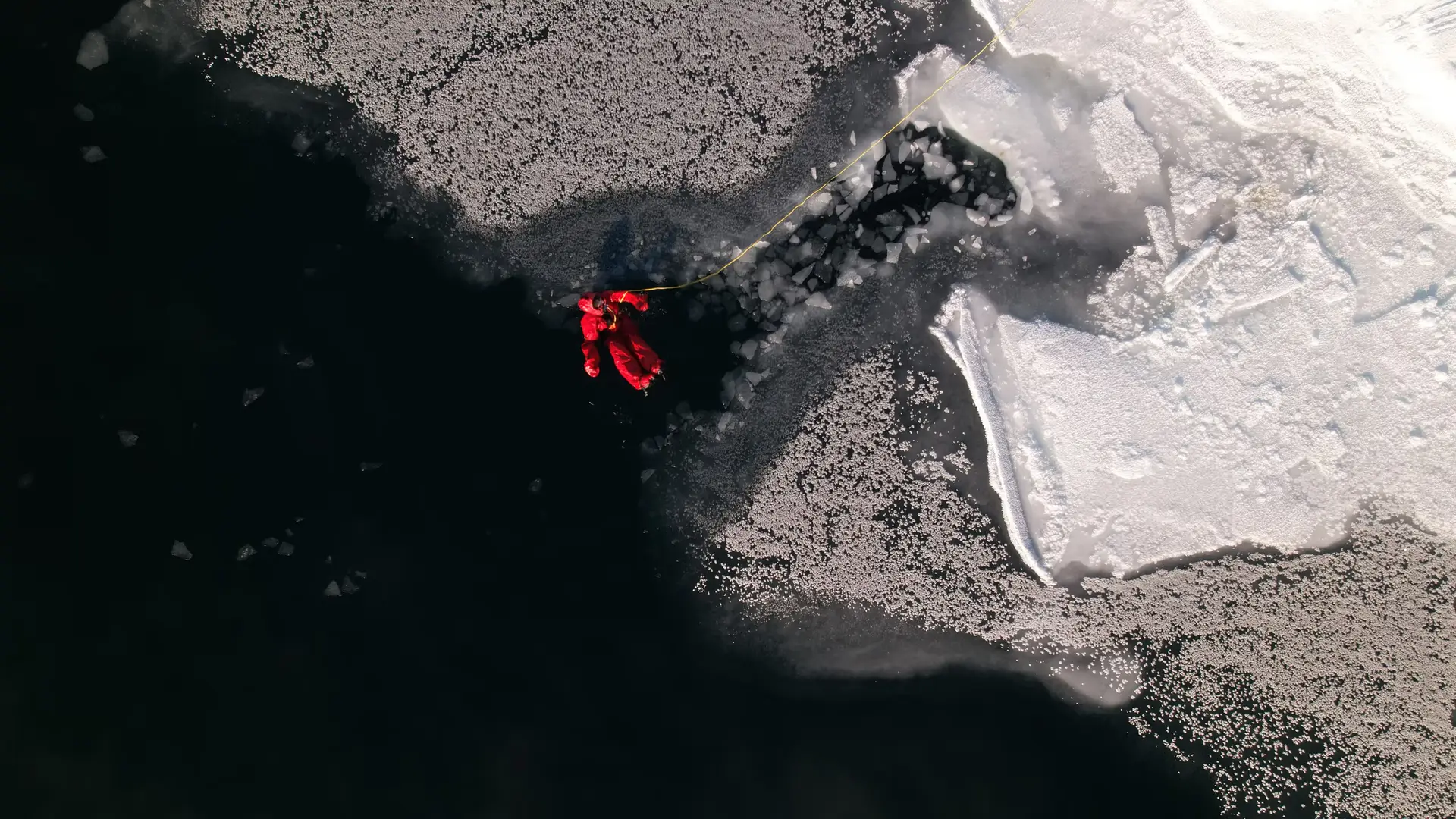
Few nations possess as pronounced a knack for celebrating frozen romanticism as Norway. The French publication of Erling Kagge’s book, titled The North Pole: The History of an Obsession, offers an opportunity to observe this peculiar Nordic trait. Kagge holds a singular distinction in modern human endurance, having become the first individual to reach the North Pole completely unassisted by animals or motorized vehicles. Not satisfied with a single extreme, he went on to complete a remarkable treble by walking to the South Pole and ascending to the summit of Mount Everest on foot.
That a Norwegian adventurer should turn his attention to writing about the historical obsession with the far north is hardly surprising. Polar conquest has long enjoyed an exalted position in Norwegian self-perception, providing a neat narrative of heroism, self-reliance, and physical grit. Yet viewing the Arctic purely through the lens of individual effort often overlooks harsher realities. Kagge himself observed that the region is heating up in every way, a remark that touches on both changing climate dynamics and rising political friction over northern territories.
The translation of Kagge’s work for French readers expands the reach of a narrative centered on extreme geography. His account chronicles how European fascination with the northern axis shifted over time, moving from perilous exploratory gambles to contemporary debates over strategic control and environmental shifts. Reaching the world's most remote points on foot requires immense focus, but examining the contemporary Arctic demands a far colder eye than polar nostalgia usually permits.
Beyond the sheer physical feat, the persistent fascination with frozen wilderness reflects a broader cultural inclination toward moralizing hardship. While Kagge’s personal accomplishments as a traveler are well documented, the broader obsession with the high north often masks economic and strategic calculations with poetic rhetoric about uncharted snow. Expeditions that once symbolized pure human will now exist in a landscape shaped by competing national interests and shifting resources.
As Kagge’s volume reaches new audiences in translation, the discourse surrounding the North Pole moves further away from isolated heroic feats toward pragmatic geopolitical calculus. Reaching the North Pole, South Pole, and Everest on foot remains an extraordinary record of personal determination, but the romantic ideal of the lone polar explorer appears increasingly detached from the cold reality of the modern North.
Written by Thorben Thiede thorben.thiede@alpineweekly.com